Standard gaming hardware rarely stayed standard for very long during the peak years of retro gaming. Companies constantly experimented with unusual colors, branded artwork, transparent shells, celebrity tie-ins, and special promotional designs that transformed ordinary consoles into collectible centerpieces. Some limited editions celebrated blockbuster game launches, while others appeared quietly through regional promotions or retail partnerships before disappearing almost immediately.
Years later, these rare consoles became some of the most fascinating artifacts in gaming history. They capture moments when manufacturers treated gaming hardware like cultural fashion instead of simple electronics. The coolest limited edition retro consoles ever made continue attracting collectors because they combine nostalgia, scarcity, creativity, and personality in ways standard consoles often cannot match.
The Gold Nintendo 64 Became Instantly Iconic
The gold-colored Nintendo 64 tied to The Legend of Zelda: Ocarina of Time remains one of the most recognizable special editions ever released. Nintendo understood the massive anticipation surrounding Ocarina of Time and created hardware that immediately looked premium and memorable.
The metallic gold finish gave the console an almost treasure-like appearance that fit perfectly alongside Zelda’s fantasy atmosphere. Matching controllers strengthened the presentation even further, turning the hardware into something that felt far more special than ordinary retail consoles.
I still remember how impossible it felt to ignore this console sitting inside store displays during the late 1990s. Even people who did not care deeply about collecting recognized immediately that it looked different from standard gaming hardware. The console captured attention effortlessly, which explains why collectors still chase it so aggressively today.
The Transparent Funtastic Nintendo 64 Line Defined the Late 1990s
Nintendo fully embraced colorful experimentation through the Funtastic Nintendo 64 series. Atomic Purple, Jungle Green, Fire Orange, Ice Blue, and several other transparent variations transformed the Nintendo 64 into one of the boldest-looking consoles ever produced.
Transparent electronics felt futuristic during the late 1990s. Seeing internal hardware partially visible beneath colorful plastic shells gave these systems a playful personality unlike anything competitors offered at the time. The matching translucent controllers completed the aesthetic perfectly.
I think the Funtastic series succeeded because it reflected the era’s broader fascination with colorful transparent technology. Everything from telephones to desktop computers experimented with similar design trends. Nintendo embraced that style completely, and the result still feels unmistakably tied to its generation decades later.
The Sega Sports Dreamcast Captured Sega’s Final Era
The black Dreamcast Sega Sports edition instantly stood apart from the standard white hardware most players remember. Sega released the console to promote its growing sports lineup, and the darker design gave the system a sleek, aggressive identity.
Sports branding covered the packaging and controllers, helping the console feel tailored specifically toward competitive gaming fans. The black shell also gave the Dreamcast a more mature appearance that contrasted sharply against Sega’s usual bright arcade-style presentation.
I always thought this console represented Sega’s determination to stay relevant during incredibly difficult years for the company. The Dreamcast already carried enormous personality, but the Sega Sports edition amplified that confidence even further. Collectors now view it as one of the coolest reminders of Sega’s final console generation.
The Pokémon Game Boy Color Became a Playground Legend
Few limited edition handhelds created stronger emotional reactions among younger gamers than the Game Boy Color Pokémon editions. Pikachu-themed designs, colorful logos, and bright yellow shells turned simple handhelds into status symbols during the peak of Pokémon mania.
Nintendo understood perfectly how massive Pokémon had become. Children carried these systems everywhere, proudly displaying themed hardware during school breaks, family vacations, and multiplayer trading sessions. The consoles became deeply tied to childhood memories for an entire generation.
I still think Pokémon handheld editions captured portable gaming culture better than almost anything else from that era. They felt personal and expressive in ways standard hardware rarely achieved. Many collectors chase them today not only because they are rare, but because they instantly trigger vivid memories tied to childhood excitement.
The Panasonic Q Looked Like Alien Technology
The Panasonic Q barely resembled a Nintendo console at all. Released exclusively in Japan, the hardware combined GameCube functionality with DVD playback inside a sleek metallic shell that looked dramatically more sophisticated than Nintendo’s standard purple cube.
The polished silver finish, glowing lights, and front-loading disc tray gave the Panasonic Q an almost futuristic home theater appearance. Compared to the playful look of the ordinary GameCube, the Q felt designed specifically for adults who wanted gaming hardware that blended into premium entertainment setups.
I remember seeing photos of the Panasonic Q years before I ever saw one in person, and the console genuinely looked unreal. It felt less like a toy and more like experimental luxury electronics from an alternate version of gaming history. That unusual identity still fascinates collectors today.
The Resident Evil 4 Chainsaw GameCube Became Legendary
Nintendo and Capcom collaborated on one of the wildest controller designs ever released through the Resident Evil 4 chainsaw controller bundle. While technically an accessory rather than a full console redesign, it became deeply associated with special-edition GameCube collecting culture.
The bright red chainsaw controller looked absurd and completely impractical, which made it unforgettable immediately. Horror-themed collectors especially embraced the release because it reflected the exaggerated personality and campy energy that helped Resident Evil stand apart from other survival horror franchises.
I still laugh whenever I see one displayed at retro conventions because the controller represents everything ridiculous and wonderful about retro gaming collectibles. Nobody truly needed a chainsaw-shaped controller, yet its sheer absurdity transformed it into a beloved collector item almost instantly.
The Hello Kitty Dreamcast Perfectly Captured Japanese Gaming Culture
Japan received countless unusual limited-edition consoles Western audiences never experienced, and the Dreamcast Hello Kitty edition remains one of the most charming examples. Bright pink hardware combined with Sanrio branding created a console unlike anything Sega released elsewhere.
The system reflected Japan’s willingness to merge gaming with broader pop culture and fashion trends. Instead of targeting only hardcore gamers, companies frequently experimented with hardware appealing to collectors, casual audiences, and fans of specific entertainment brands.
I always appreciated how fearless Japanese console design became during the retro era. Western manufacturers often played things relatively safe, while Japanese editions embraced bizarre creativity constantly. The Hello Kitty Dreamcast perfectly represents that playful experimentation.
The Mountain Dew Xbox Became a Promotional Legend
The translucent green Xbox Mountain Dew edition turned a soda promotion into one of gaming’s most recognizable promotional consoles. Contest winners received the hardware during the early 2000s, instantly making it one of the rarest Xbox variants ever created.
The bright green shell matched Mountain Dew branding perfectly while simultaneously fitting the Xbox’s futuristic design language surprisingly well. Because extremely few units existed, the console developed almost mythical status among collectors.
I think promotional consoles often become especially fascinating because they were never intended for ordinary retail release. Winning one felt exclusive and almost impossible during the original promotion period. Years later, that rarity transformed the Mountain Dew Xbox into a collector obsession.
The Spice Orange GameCube Never Reached North America
The GameCube Spice Orange edition remains one of the most beloved regional hardware variants Nintendo ever produced. Released in Japan but never officially launched in North America, the vibrant orange shell instantly gained attention from import collectors worldwide.
The color looked energetic and playful without becoming overwhelming. Paired with Nintendo’s compact cube-shaped hardware, the bright orange finish helped the console feel distinct from competitors pursuing darker and more serious aesthetics during the early 2000s.
I still believe the Spice Orange GameCube deserved a worldwide release because it captured Nintendo’s personality beautifully. The console looked fun immediately, and that sense of playful identity helped it stand apart from Sony and Microsoft hardware during the same generation.
The Crystal Xbox Showed Off Microsoft’s Hardware Design
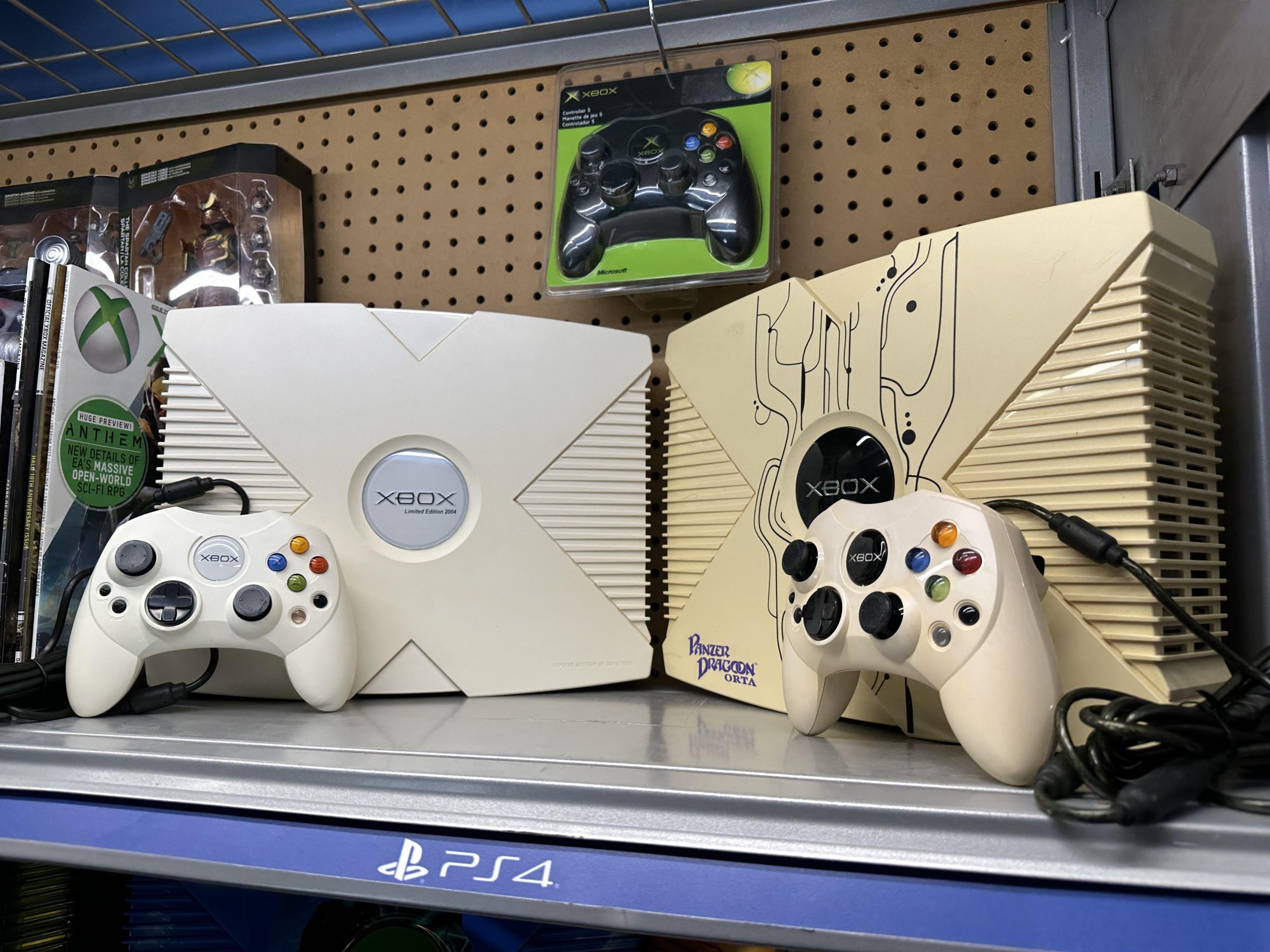
Microsoft embraced the transparent console trend through the Crystal Xbox edition released in Europe and Canada. The translucent shell revealed portions of the internal hardware while preserving the bulky futuristic design that defined the original Xbox.
Transparent designs carried enormous appeal during the late 1990s and early 2000s because they gave electronics a high-tech personality. Microsoft leaned into that aesthetic effectively, producing a console variant that still looks surprisingly modern today.
I think the Crystal Xbox aged better visually than many people expected. The hardware already looked distinctive compared to competitors, and the transparent shell enhanced that uniqueness even further. Collectors continue hunting these systems because they represent one of Microsoft’s best-looking console variations.
Limited Editions Became Emotional Collectibles
What makes these consoles memorable goes far beyond rarity alone. Special editions often become deeply tied to specific memories, gaming eras, and cultural moments that players experienced personally growing up.
A Pokémon handheld reminds collectors of schoolyard trading sessions. A Zelda Nintendo 64 recalls excitement surrounding one of gaming’s greatest adventures. A Dreamcast sports edition captures Sega’s final attempt to compete in the console market. The hardware itself becomes emotionally symbolic.
I think that emotional connection explains why limited editions matter so much to retro enthusiasts. Standard consoles preserve gameplay history, but special editions preserve atmosphere and personality. They remind collectors how exciting gaming culture once felt during major hardware generations.
Condition and Packaging Matter Tremendously
Collectors obsess over box condition for limited-edition consoles because presentation forms a massive part of the appeal. Original packaging often featured exclusive artwork, logos, promotional inserts, and colorful branding unavailable elsewhere.
Scratches, fading, and yellowing also affect collectible appeal heavily because many limited editions relied so strongly on visual identity. Transparent plastics especially became vulnerable to scratches and discoloration over time, making pristine units increasingly difficult to locate.
I always feel amazed seeing perfectly preserved retro console boxes displayed behind glass at conventions or collector showcases. They look less like ordinary packaging and more like museum artifacts documenting gaming history visually. Preserved condition dramatically changes how these consoles are perceived years later.
Modern Consoles Still Follow These Trends
Limited-edition hardware never disappeared from gaming culture because retro consoles proved how strongly players connect emotionally with special designs. Modern collectors still chase themed hardware tied to blockbuster franchises, anniversaries, and promotional events.
The difference now is that retro limited editions often feel more experimental and unpredictable. Earlier gaming generations took bigger visual risks with transparent plastics, strange color palettes, oversized logos, and unusual collaborations that modern manufacturers sometimes avoid.
I think retro hardware stands out partly because companies treated consoles more playfully during those years. Manufacturers seemed willing to experiment constantly, producing designs that occasionally looked ridiculous but never boring. That fearless creativity still defines many of the coolest limited edition retro consoles ever made.
Final Thoughts
Retro gaming history overflowed with unusual hardware experiments, but limited-edition consoles remain especially memorable because they transformed ordinary gaming systems into collectible art pieces. These consoles reflected gaming culture, fashion trends, marketing strategies, and fan excitement all at once.
The coolest limited edition retro consoles ever made continue captivating collectors because they combine rarity with emotional nostalgia and visual personality. From transparent Nintendo 64 systems to Pokémon handhelds and luxury Japanese imports, these consoles preserve far more than technical history alone.
Years after their release, retro collectors still chase these systems because they capture moments when gaming felt wildly creative and visually expressive. They remind players that consoles were once designed not only to play games, but also to spark excitement the moment someone opened the box.