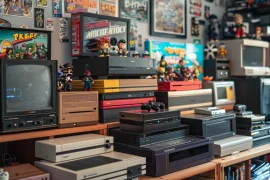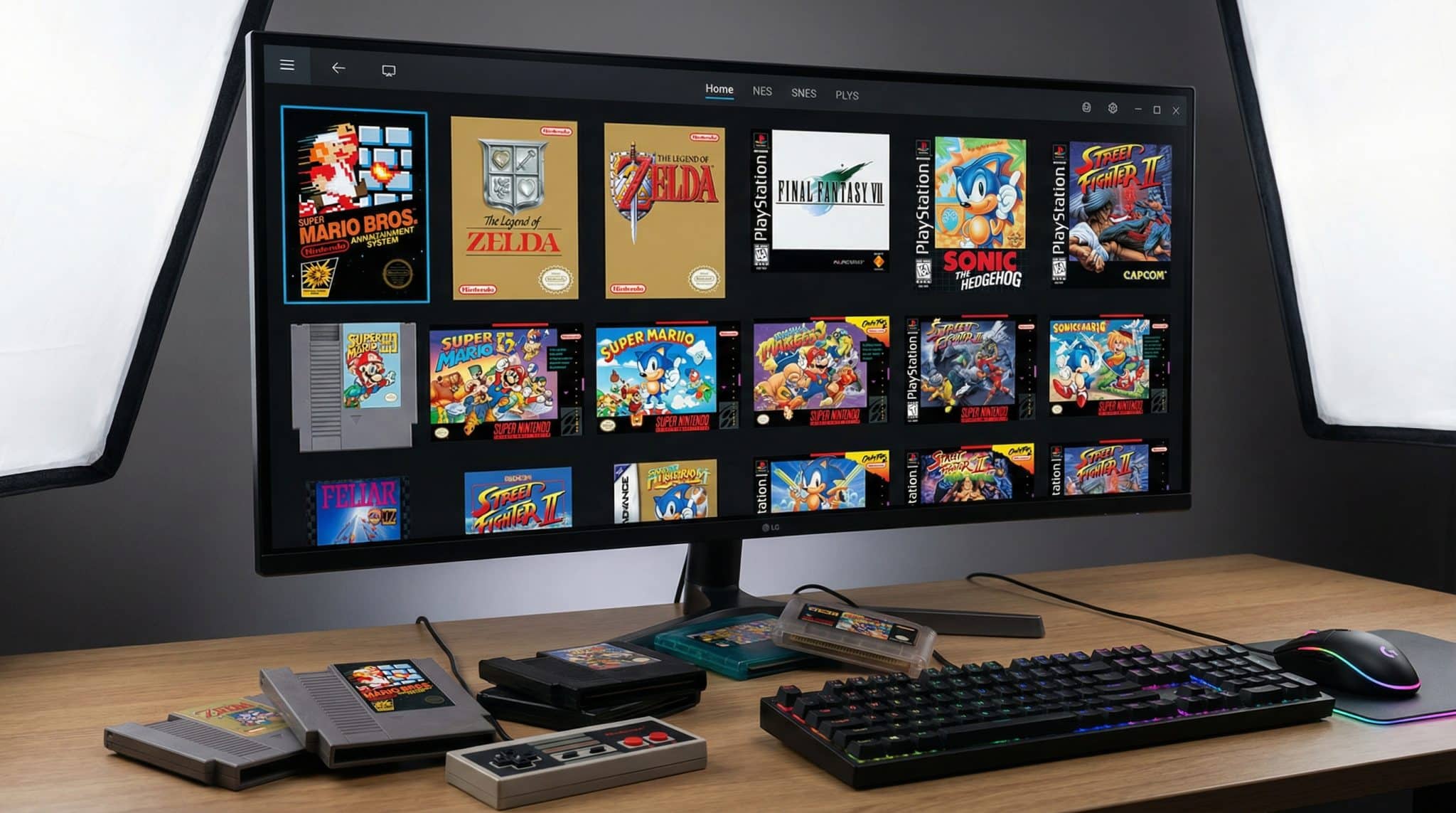
Modern gaming has never looked more impressive. Consoles now push photorealistic graphics, worlds stretch across massive maps, and online communities connect millions of players at once. Yet despite all the technical progress, I keep finding myself pulled back toward old cartridges, CRT televisions, wired controllers, and games that were built decades ago. That pull is not based on nostalgia alone. Retro games simply deliver a kind of experience that feels more focused, more rewarding, and strangely more personal than many modern releases.
The older I get, the more I notice how differently I feel after playing a retro game compared to a modern blockbuster. One leaves me energized and satisfied, while the other can sometimes feel exhausting even after only an hour. Retro gaming feels better than modern gaming because it respects time, rewards skill, and removes layers of distractions that have slowly become standard across the industry. The magic was never just about pixels or old soundtracks. It was about how those games were designed to make players feel.
Games Got Straight to the Action
One of the biggest reasons retro gaming still feels satisfying is how quickly older games let players start having fun. A cartridge slid into the console, the power button clicked, and within seconds the game began. No massive updates, no login screens, no mandatory tutorials that dragged on for an hour. The action started immediately, and that immediacy created excitement before the player even touched the controller.
I still remember booting up old platformers after school and being fully immersed almost instantly. The game trusted me to figure things out through movement and experimentation instead of interrupting every few minutes with explanations. That trust made the experience feel natural. Modern games often overexplain simple mechanics because developers fear players will quit if confused for even a moment. Ironically, all that hand-holding can make games feel less engaging.
Retro titles also respected momentum. A player failed, hit continue, and jumped back into the action almost immediately. Modern gaming sometimes buries gameplay under menus, crafting systems, battle passes, and cinematic sequences that slow everything down. While those features can add depth, they can also dilute the pure joy of simply playing.
Difficulty Felt Fair and Rewarding
Older games earned a reputation for being difficult, but much of that challenge felt meaningful. Success came from patience, timing, pattern recognition, and repetition. Winning a tough boss fight felt like proof that your skills had improved rather than proof that your character’s stats had increased.
I can still remember the adrenaline of finally beating levels that seemed impossible at first. Retro games rarely cared whether I felt frustrated in the moment because they assumed I would keep practicing until I mastered the mechanics. That design philosophy created memorable victories. Modern games sometimes soften difficulty so much that progress can feel automatic instead of earned.
Another important difference is how failure was treated. Losing in retro games usually meant the player made a mistake. Losing in modern games can sometimes feel tied to artificial systems, level scaling, online balance patches, or grinding mechanics. Retro gaming feels better than modern gaming partly because the connection between player skill and success felt far more direct.
Simplicity Made Games More Addictive
Many retro games revolved around a single gameplay idea executed extremely well. A racing game focused on racing. A platformer focused on movement and timing. A beat-em-up focused on combat. Developers did not feel pressured to pack every title with endless systems and mechanics to justify a premium price tag.
That simplicity created clarity. I always knew what the game expected from me, and because the core mechanics were refined so carefully, the gameplay loop became deeply addictive. Some of the best retro games had almost no filler content at all. They delivered a concentrated burst of entertainment without wasting time.
Modern games often chase scale instead of focus. Open worlds become bloated with repetitive side quests, unnecessary crafting systems, and collectible markers scattered across giant maps. After a while, the experience can start feeling more like a checklist than a game. Retro titles stayed memorable because they trimmed away anything that distracted from the core experience.
Couch Multiplayer Felt More Human
Nothing in gaming has fully replaced the feeling of sitting next to friends while playing split-screen matches late into the night. Retro multiplayer had a physical energy that online gaming rarely captures. Trash talk happened face-to-face, victories felt louder, and defeats became funny stories instead of anonymous frustrations.
I spent countless evenings crowded around small televisions with controllers tangled across the floor. The room itself became part of the experience. Friends reacted instantly to dramatic moments, laughed at mistakes, and celebrated impossible wins together. Those sessions created memories far beyond the game itself.
Online gaming made multiplayer more accessible, but it also introduced distance. Headsets replaced living rooms, and matchmaking replaced local rivalries. Many modern players spend hours gaming together without truly feeling connected. Retro gaming feels better than modern gaming because it often turned gaming into a shared social event instead of an isolated online activity.
Art Style Aged Better Than Realism
Developers in the retro era worked with severe hardware limitations, but those limitations forced creativity. Artists relied on color palettes, sprite animation, and imaginative design choices to build memorable worlds. Instead of chasing realism, they focused on creating strong visual identities.
That artistic approach helped many retro games age gracefully. Pixel art still carries charm because it was never pretending to look real in the first place. The exaggerated designs, vibrant environments, and stylized animations remain appealing decades later. Modern games that aimed for realism ten years ago can already look dated because technology advanced so quickly.
Sound design followed the same pattern. Limited audio hardware pushed composers to create melodies that were catchy, emotional, and unforgettable. Retro soundtracks burned themselves into memory because they relied on strong composition rather than orchestral excess. Even today, many players can instantly recognize themes from classic games after hearing only a few notes.
Ownership Felt Permanent
Buying a retro game usually meant owning the complete experience forever. The cartridge or disc worked exactly as intended without needing internet servers or digital authentication. Players could revisit those games years later without worrying about shutdowns, removed content, or disappearing licenses.
Modern gaming shifted heavily toward digital ecosystems. Entire games can vanish from storefronts, servers can shut down, and purchased content can become inaccessible. Subscription services also changed how players interact with games. Instead of deeply appreciating a few titles, many players bounce rapidly between dozens of games they barely remember.
There was something comforting about physically building a collection. Shelves filled with cartridges and boxes represented years of memories and discoveries. Each game felt valuable because acquiring it required intention. Retro gaming feels better than modern gaming partly because the relationship between player and game felt more permanent and tangible.
Games Were Built Around Gameplay First
Many retro developers had limited memory space and technical power, so gameplay had to carry the experience. If the controls were weak or the mechanics were boring, there was nowhere to hide. Developers could not rely on cinematic presentation alone to impress players.
That pressure created games with incredibly refined mechanics. Movement felt responsive, combat felt precise, and level design mattered enormously. Even simple games became timeless because the core gameplay loop remained satisfying years later. Some modern games look incredible but struggle to remain engaging once the visual spectacle fades.
I often notice that retro games encourage repeated play sessions more naturally. High score systems, branching paths, hidden secrets, and skill-based progression created reasons to replay games again and again. Modern titles sometimes stretch content length artificially instead of making gameplay inherently replayable.
The Industry Felt More Experimental
Retro gaming existed during a period when developers constantly experimented with strange ideas. Many studios were smaller, budgets were lower, and risks felt more manageable. That environment produced bizarre, creative games that would likely never survive today’s blockbuster-focused market.
Walking into a game store during the 1990s felt unpredictable. One shelf might contain a strange puzzle game, a surreal RPG, or a completely original platformer with mechanics nobody had seen before. Developers were still discovering what video games could become, and that excitement translated directly into the games themselves.
Modern development has become much safer financially. Huge budgets encourage publishers to rely on proven formulas, familiar franchises, and live-service models designed for long-term monetization. Innovation still exists, especially in indie gaming, but the mainstream market often feels far more cautious than it once did.
Retro Games Demanded Imagination
Older games could not show everything visually, which meant players filled gaps with imagination. Limited graphics encouraged the mind to participate in building the world. A few pixels represented entire cities, monsters, or emotional moments because players mentally expanded what they saw on screen.
I remember reading game manuals on the ride home before even starting the game. Artwork and descriptions helped build anticipation, and once gameplay began, imagination completed the experience. Modern games present every detail explicitly through voice acting, cinematic storytelling, and ultra-detailed graphics. While impressive, that level of detail can leave less room for personal interpretation.
Retro worlds often felt larger than they actually were because mystery surrounded them. Secrets spread through rumors at school or in gaming magazines rather than instant online guides. Discovering hidden content felt genuinely special because information was not available within seconds on social media.
Monetization Changed the Relationship Between Players and Games
Many retro games were designed around delivering a complete experience upfront. Once purchased, the focus shifted entirely toward gameplay. Players were not constantly reminded about premium currency, cosmetic bundles, seasonal events, or microtransactions.
Modern gaming introduced business models that sometimes interfere with immersion. Menus push special offers, progression systems encourage grinding, and content can feel intentionally stretched to keep players engaged longer. Even excellent games occasionally feel shaped by monetization strategies rather than purely by creative vision.
That constant commercial presence changes the emotional atmosphere of gaming. Retro games felt like products built to entertain first. Modern games can sometimes feel like platforms designed to maximize engagement metrics. Retro gaming feels better than modern gaming because the player experience often felt like the top priority rather than one piece of a larger business strategy.
Time Felt More Valuable
Retro games rarely demanded endless daily commitment. A player could finish a session, turn off the console, and return days later without worrying about missing limited-time events or falling behind seasonal progression systems. Gaming fit naturally into life instead of attempting to dominate attention every day.
Many modern games are designed around retention. Daily rewards, timed content, and competitive progression systems encourage constant engagement. That structure can make gaming feel strangely stressful, especially for adults balancing work, family, and other responsibilities.
Older games respected shorter play sessions better. Thirty minutes could feel incredibly satisfying because the gameplay was immediate and focused. Modern titles sometimes require lengthy sessions before meaningful progress occurs. That difference becomes more noticeable with age, especially for players who value quality over quantity.
Final Thoughts
Retro gaming continues to endure because it captures qualities that many players still crave. Simplicity, challenge, creativity, and immediacy combined to create experiences that felt honest and deeply engaging. The technology may have been limited, but those limitations often pushed developers toward sharper design choices instead of endless excess.
Modern gaming still produces incredible experiences, and some contemporary titles absolutely deserve praise. Yet the emotional connection many players feel toward retro games is rooted in more than nostalgia. Those games respected time, rewarded mastery, and focused relentlessly on fun above everything else.
That is why retro gaming feels better than modern gaming for so many players. It strips away distractions and reminds us what made video games exciting in the first place. Long before battle passes, massive downloads, and endless online ecosystems, gaming thrived on pure interaction between player and game. Decades later, that feeling still holds power.