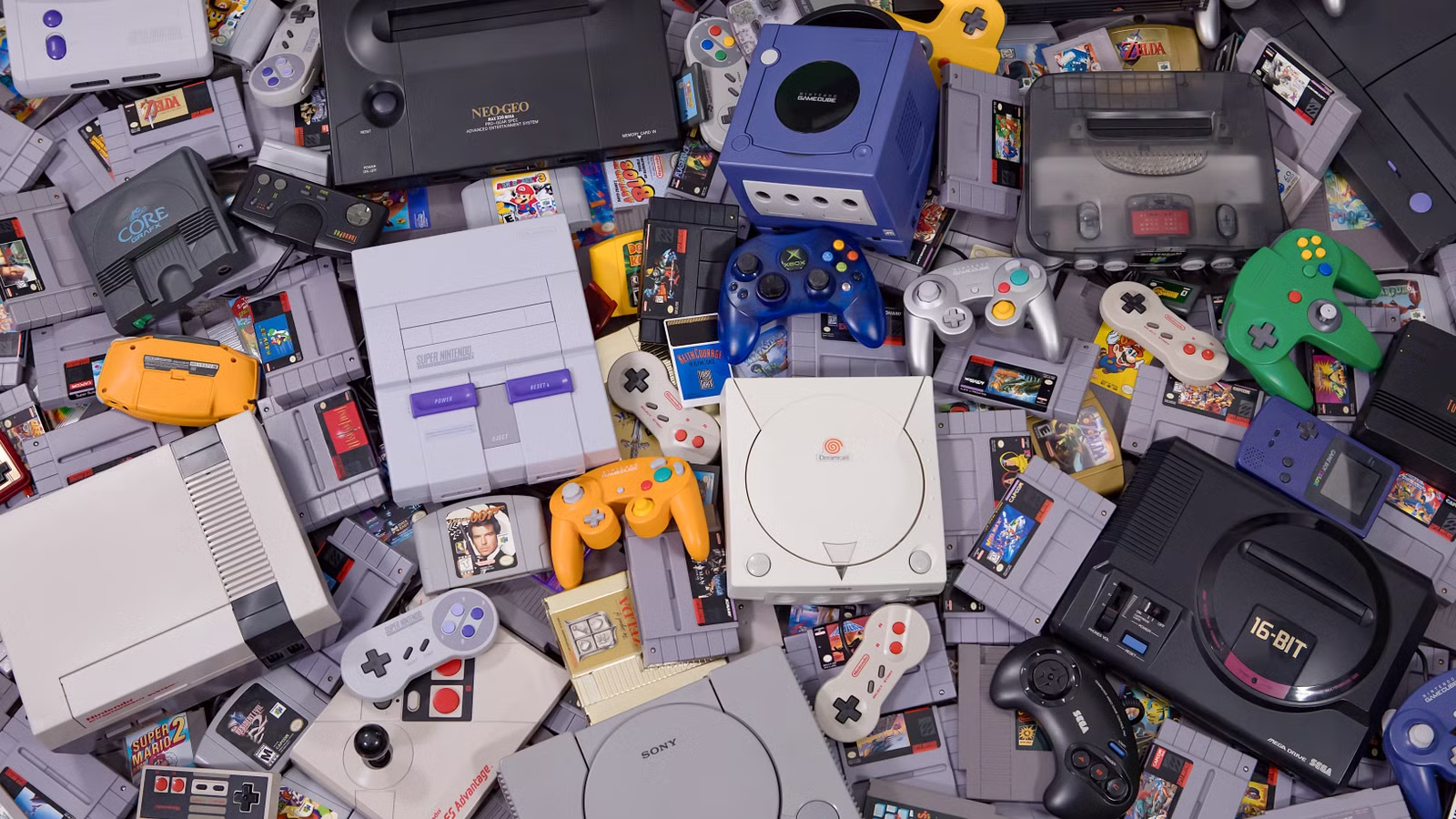
Dusty cartridges, glowing CRT televisions, and the sharp click of plastic controllers shaped some of the greatest gaming memories ever made. Long before massive online updates and digital storefronts dominated the industry, consoles arrived with a sense of permanence. Games felt complete the day they hit store shelves, and every new system carried the excitement of stepping into unexplored territory.
Retro gaming still holds power because those machines were more than pieces of hardware. They carried personality. Developers worked within limitations and somehow turned them into strengths, creating games that continue to influence modern titles decades later. The best retro gaming consoles ever released earned their place through innovation, unforgettable libraries, and the emotional connection players still feel whenever those startup sounds echo through a room.
Nintendo Entertainment System Changed Home Gaming Forever
The gaming industry looked uncertain after the crash of the early 1980s. Shelves were packed with rushed and poorly made titles, and many people believed home gaming had already burned out. Then the Nintendo Entertainment System arrived and completely changed public perception. Suddenly, games felt polished again, and developers treated releases with far greater care.
I still remember how revolutionary the NES felt compared to earlier systems. The rectangular controller looked simple, but its design influenced nearly every controller that followed. Games like Super Mario Bros., The Legend of Zelda, and Metroid introduced sprawling adventures that seemed enormous at the time. Each cartridge felt like an entirely different universe waiting to be explored.
Part of what made the NES special was its consistency. Nintendo demanded higher standards from developers, and that decision restored consumer trust in gaming. Even now, many of its games remain surprisingly playable because their mechanics focused on precision and creativity rather than flashy visuals. The system became the foundation for modern console gaming, and its influence still appears in nearly every platformer released today.
Sega Genesis Brought Attitude to Gaming
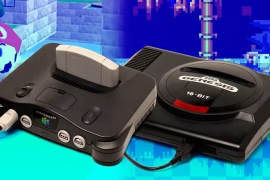
Nintendo may have ruled the late 1980s, but Sega stormed into the next generation with a completely different personality. The Sega Genesis felt faster, louder, and more rebellious. Marketing campaigns openly challenged Nintendo, and that rivalry pushed the gaming industry into one of its most exciting periods.
Booting up Sonic the Hedgehog delivered an experience unlike anything else at the time. The speed alone felt impossible on home hardware. Sega leaned into arcade-style action, giving players titles like Streets of Rage 2, Golden Axe, and Gunstar Heroes that captured the excitement of crowded arcades without requiring a pocket full of coins.
The Genesis also benefited from its sound chip, which gave games a sharper and more aggressive tone. Some players preferred Nintendo’s richer melodies, but the Genesis produced music with a raw energy that perfectly matched its identity. Sports games thrived on the console as well, helping establish franchises that continue today. Few systems captured competitive energy quite like the Genesis during the height of the console wars.
Super Nintendo Delivered Artistic Perfection
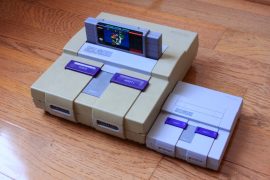
The Super Nintendo Entertainment System arrived during a fiercely competitive era, yet it immediately established itself through incredible craftsmanship. Nintendo refined nearly everything that made the NES successful while adding deeper colors, better sound, and smoother gameplay. Many developers reached creative peaks on the SNES because the hardware struck a near-perfect balance between power and accessibility.
Playing Super Metroid still feels remarkable today. Its atmosphere, pacing, and level design remain masterful decades later. The same could be said for Chrono Trigger, a role-playing game that blended emotional storytelling with inventive mechanics. Then there was Donkey Kong Country, which stunned players with graphics that looked generations ahead of everything else on the market.
Nintendo’s controller design also matured beautifully during this era. Shoulder buttons and improved ergonomics became industry standards afterward. The SNES library possessed extraordinary variety, ranging from platformers and RPGs to racing games and fighting titles. That range helped solidify the system as one of the best retro gaming consoles ever released because nearly every type of player could find something unforgettable on it.
PlayStation Revolutionized Gaming Culture
Sony entered the console market as an outsider, yet the original PlayStation transformed gaming faster than almost anyone expected. Compact discs allowed developers to create larger worlds, cinematic cutscenes, and richer audio experiences. Suddenly, games felt bigger and more ambitious than ever before.
I can still remember the impact of seeing Final Fantasy VII for the first time. The scale of its world felt enormous, and its storytelling reached emotional territory that many players had never experienced in gaming. Titles like Metal Gear Solid and Resident Evil 2 pushed cinematic presentation to entirely new levels, turning consoles into storytelling machines rather than simple arcade replacements.
The PlayStation also appealed to older audiences in a way earlier consoles rarely managed. Its marketing leaned toward teenagers and young adults, helping gaming evolve into mainstream entertainment. Sony’s willingness to experiment attracted developers from all over the world, resulting in one of the most diverse libraries ever assembled. The original PlayStation permanently changed public perception of what gaming could become.
Nintendo 64 Perfected Multiplayer Gaming
Few consoles created social memories quite like the Nintendo 64. Four controller ports built directly into the hardware encouraged group gaming from the start, and countless weekends disappeared into marathon multiplayer sessions. The console may not have matched competitors in storage capacity, but its local multiplayer experiences became legendary.
Games like GoldenEye 007 transformed living rooms into competitive battlegrounds. Friendships were tested during split-screen matches, and arguments over screen-looking became part of the experience itself. Then came Mario Kart 64 and Super Smash Bros., both of which remain iconic multiplayer franchises today.
Single-player adventures also flourished on the system. The Legend of Zelda: Ocarina of Time changed 3D game design forever with its targeting system and open-world structure. Exploring Hyrule felt magical because the transition from 2D to 3D was handled with remarkable confidence. The Nintendo 64 proved that gaming could create unforgettable shared experiences while also pushing technical innovation forward.
Sega Dreamcast Was Ahead of Its Time
The Sega Dreamcast deserved a much longer life than it received. Released during a difficult period for Sega, the console introduced ideas that later became standard across the industry. Online connectivity, downloadable content, and creative experimental games all appeared on the Dreamcast before competitors fully embraced them.
Playing Shenmue felt almost surreal at the time. The level of detail in its world was unlike anything many players had seen before. Characters followed schedules, weather changed dynamically, and exploration carried an incredible sense of realism. Meanwhile, arcade-perfect ports like Crazy Taxi and Soulcalibur showcased the hardware’s impressive capabilities.
The Dreamcast also embraced creativity in ways larger companies sometimes avoided. Developers experimented freely, producing quirky and memorable experiences that remain beloved today. Although the console eventually disappeared from the market, its influence spread throughout gaming history. Many modern online features trace their roots directly back to Sega’s ambitious machine.
Atari 2600 Built the Console Industry
Modern gaming would look very different without the Atari 2600. Long before realistic graphics and cinematic adventures became common, Atari introduced millions of households to the idea of interchangeable game cartridges. That innovation alone changed entertainment history.
The simplicity of the Atari 2600 remains part of its charm. Games relied on imagination because visuals were incredibly basic by modern standards. Yet titles like Pitfall! and Space Invaders captivated players for hours. Developers discovered creative ways to work within severe technical limitations, and those constraints often led to surprisingly addictive gameplay.
I admire the Atari 2600 because it represents gaming in its rawest form. The focus stayed entirely on mechanics and replayability. Even though later systems surpassed it technologically, the console deserves recognition for laying the groundwork that every future manufacturer would build upon. Without Atari’s early success, the home gaming landscape might never have developed the way it did.
Neo Geo Delivered Arcade Power at Home
The Neo Geo stood apart from nearly every console of its era because it delivered true arcade-quality experiences without compromise. While other systems attempted to imitate arcade cabinets, the Neo Geo essentially brought the arcade itself into players’ homes. That power came at a steep price, but the results were unforgettable.
Fighting games flourished on the platform. Titles like The King of Fighters ’98 and Samurai Shodown II featured fluid animation and precise controls that still feel excellent today. The console also became famous for the Metal Slug series, which combined gorgeous hand-drawn visuals with chaotic action.
Owning a Neo Geo during its prime felt almost mythical because of its cost. Cartridges could be shockingly expensive, making the console more of a luxury item than a mainstream system. That exclusivity only increased its legendary reputation among retro gaming enthusiasts. Even now, the Neo Geo represents one of the boldest examples of arcade gaming excellence.
Game Boy Changed Portable Gaming Forever
Portable gaming existed before Nintendo’s Game Boy, but the handheld transformed the concept into a worldwide phenomenon. Battery life mattered more than flashy visuals, and Nintendo made the smart decision to prioritize practicality over technical superiority.
I spent countless hours staring at that tiny green screen while traveling or sitting outside on quiet afternoons. Games like Pokémon Red and Blue created cultural phenomena that reached far beyond gaming communities. Meanwhile, Tetris became one of the most addictive puzzle experiences ever made.
Durability also played a huge role in the Game Boy’s success. Stories about the device surviving drops, extreme temperatures, and years of heavy use became legendary. Nintendo understood that portability required reliability, and the Game Boy delivered exactly that. Its success opened the door for every handheld gaming device that followed.
PlayStation 2 Became the Ultimate Gaming Machine
The PlayStation 2 arrived with enormous expectations and somehow exceeded nearly all of them. Its massive library covered nearly every genre imaginable, and the system remained relevant for an astonishingly long time. Few consoles have ever dominated gaming culture as completely as the PS2.
Games like Grand Theft Auto: San Andreas pushed open-world design into exciting new territory. Shadow of the Colossus delivered emotional storytelling through minimal dialogue and breathtaking scale. Meanwhile, sports games, racing simulators, horror titles, and RPGs all thrived on the platform.
The PlayStation 2 also succeeded because it doubled as an affordable DVD player during a time when DVD technology was rapidly growing. That extra functionality helped the console enter millions of homes. Looking back, the PS2 feels less like a single console and more like an entire era of gaming wrapped into one machine.
Why Retro Consoles Still Matter Today
Modern gaming technology is undeniably impressive, yet retro consoles continue attracting passionate audiences because their experiences feel timeless. Many older games focused heavily on gameplay clarity and replayability rather than endless updates or monetization systems. That design philosophy still resonates strongly with players searching for something pure and direct.
Collecting retro hardware also creates a tangible connection to gaming history. Sliding a cartridge into a console or hearing the mechanical click of a power switch carries a different emotional weight than downloading a digital file. Those physical rituals remind players that gaming once felt more personal and immediate.
The best retro gaming consoles ever released continue inspiring developers, collectors, and players because they captured moments of creativity that transcended technological limitations. Their graphics may look dated compared to modern systems, but the experiences they delivered remain powerful. Decades later, those consoles still prove that great gameplay and memorable design never truly grow old.
Final Thoughts
Retro gaming survives because these consoles created lasting memories that newer technology cannot replace. Each system carried its own personality, strengths, and unforgettable library of games. Some pushed technical boundaries, while others succeeded through creativity and charm, but all of them shaped gaming history in meaningful ways.
Revisiting these classics always reminds me why gaming became such an important part of popular culture. The excitement of discovering hidden levels, competing with friends on the couch, or hearing iconic soundtracks for the hundredth time never completely fades. The best retro gaming consoles ever released earned their legendary status because they delivered experiences players still treasure long after the hardware itself became obsolete.