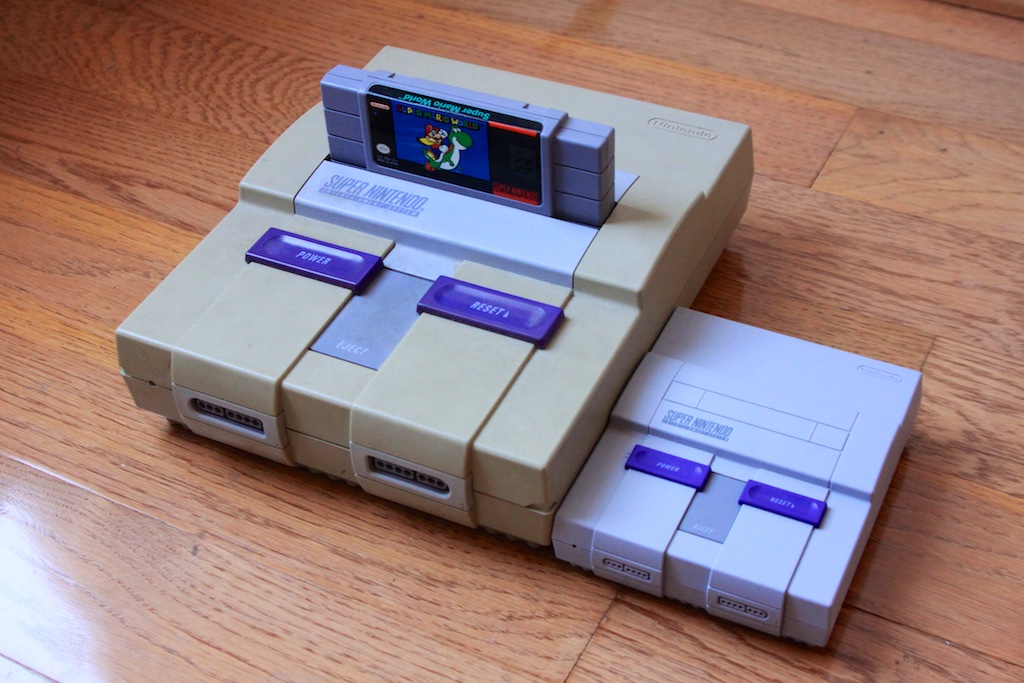
Dim bedroom lights, tangled controller cords, and the warm hum of a CRT television still bring back memories that modern gaming rarely recreates. Long before online patches and massive downloads became standard, players relied on imagination, patience, and pure gameplay to stay entertained for hours. Few consoles captured that era better than the Super Nintendo Entertainment System, a machine that continues to hold an almost mythical place in gaming culture decades after its release.
Retro gaming communities constantly debate which console deserves the crown, yet the Super Nintendo consistently remains near the top of the conversation. Part of that reputation comes from nostalgia, but nostalgia alone does not explain why people still return to the system year after year. The console earned its legacy through unforgettable game design, artistic creativity, timeless soundtracks, and an ability to make players feel emotionally connected to the worlds on screen. Why the Super Nintendo still dominates retro gaming becomes obvious the moment that familiar startup screen appears and the first notes of a classic soundtrack begin to play.
A Library Packed With Timeless Classics
Many retro consoles have a handful of legendary titles, but the Super Nintendo seemed to produce masterpiece after masterpiece during its lifespan. The consistency of quality remains astonishing even today. Developers appeared completely in sync with the hardware, and that harmony allowed studios to push creativity in ways that still impress modern audiences.
Playing games like Super Metroid or The Legend of Zelda: A Link to the Past still feels satisfying because the gameplay mechanics remain incredibly polished. Character movement feels responsive, level design rewards exploration, and difficulty rarely crosses into frustration. Those games respected the player’s intelligence without becoming inaccessible, which helped create experiences that remain enjoyable decades later.
Role-playing games especially flourished on the system. Titles such as Chrono Trigger and Final Fantasy VI delivered emotional storytelling that rivaled books and films at the time. I still find it remarkable how much personality developers squeezed into pixel art sprites and text boxes. Modern RPGs may feature photorealistic graphics and voice acting, yet many still struggle to capture the emotional depth those Super Nintendo adventures achieved.
Visual Design Aged Better Than Expected
Technology moves quickly, and many early 3D games now look awkward or primitive. The Super Nintendo largely avoided that problem because its developers mastered 2D artistry at the perfect moment in gaming history. Pixel art reached an extraordinary level of sophistication on the console, giving many games a timeless appearance that still looks appealing today.
Games like Donkey Kong Country stunned players with pre-rendered visuals that felt revolutionary at the time. Meanwhile, titles such as Yoshi’s Island embraced colorful hand-drawn styles that continue to look charming decades later. Instead of chasing realism beyond the hardware’s capabilities, developers leaned into artistic creativity, and that decision helped many games age gracefully.
I often notice how modern indie developers still borrow heavily from Super Nintendo aesthetics. Pixel art platformers, role-playing games, and side-scrolling adventures frequently mirror the visual techniques pioneered during the SNES era. That influence says a great deal about the console’s artistic impact. The system proved that strong art direction matters far more than raw graphical power.
Soundtracks That Defined a Generation
Music played a massive role in shaping the emotional identity of Super Nintendo games. The console’s sound chip allowed composers to experiment with layered melodies and atmospheric arrangements that elevated gameplay into something unforgettable. Many of those soundtracks remain instantly recognizable even to people who have not touched the console in years.
Walking through the world of Secret of Mana feels magical partly because of its soundtrack. The same can be said for Super Mario World, where upbeat melodies perfectly matched the playful energy of each level. Then there was Mega Man X, which blended energetic rock-inspired compositions with futuristic themes that amplified the action beautifully.
I still catch myself humming tracks from these games without even realizing it. That kind of musical staying power is rare in entertainment. Many modern games feature cinematic orchestras and massive production budgets, yet few leave melodies lodged in players’ memories the way Super Nintendo soundtracks continue to do. Those composers turned technical limitations into creative opportunities, and the results remain legendary.
Gameplay Always Came First
One reason why the Super Nintendo still dominates retro gaming lies in its dedication to gameplay above all else. Developers focused intensely on mechanics because hardware limitations left little room for distraction. Without massive cinematic cutscenes or endless online features, games succeeded or failed based entirely on how they felt to play.
Titles like Super Mario Kart demonstrated how addictive simple concepts could become when executed properly. Tight controls, balanced competition, and memorable track design kept players returning repeatedly. Fighting games such as Street Fighter II Turbo also thrived because the console delivered responsive gameplay that rewarded skill and practice.
Modern gaming occasionally feels overloaded with progression systems, microtransactions, and endless menus. Returning to the Super Nintendo feels refreshing because games immediately place players into the action. That straightforward design philosophy remains one of the console’s greatest strengths. Great gameplay never becomes outdated, and the SNES library proves that repeatedly.
The Controller Set a New Standard
The Super Nintendo controller rarely receives enough credit for how influential it became. Earlier controllers often felt stiff or awkward, but Nintendo refined the design into something remarkably comfortable and intuitive. Holding the controller today still feels natural, which explains why many modern gamepads continue using similar layouts.
The addition of shoulder buttons opened new possibilities for developers. Racing games, fighting titles, and action adventures all benefited from expanded control schemes that remained easy to learn. The rounded edges and responsive buttons also made long gaming sessions more comfortable than many competing systems of the era.
I have played countless retro consoles over the years, and the SNES controller consistently stands out as one of the best. It balanced simplicity and functionality perfectly. That design became the blueprint for future gaming hardware, influencing generations of controllers that followed across multiple companies.
Multiplayer Memories Never Fade
The Super Nintendo excelled at bringing people together in the same room. Long before online matchmaking dominated gaming culture, multiplayer experiences depended entirely on friends sharing a couch and competing face-to-face. That social energy gave many SNES games an enduring charm that still resonates today.
Few experiences matched the chaos of battling friends in Super Bomberman. Explosions filled the screen, alliances shifted constantly, and laughter usually drowned out the television speakers. Sports games and fighting titles also became staples during gatherings because the system handled competitive gameplay so effectively.
Those local multiplayer moments carried a different emotional weight compared to modern online gaming. Players celebrated victories and argued over defeats while sitting inches apart from each other. The Super Nintendo became a centerpiece for shared experiences, and that sense of connection remains deeply tied to its legacy.
Developers Reached Their Creative Peak
Many studios produced some of their finest work during the Super Nintendo era. Technical limitations forced developers to think carefully about design, pacing, and mechanics instead of relying on expensive visuals alone. Creativity often thrives under restrictions, and the SNES generation demonstrated that perfectly.
Square created role-playing games that continue influencing the genre decades later. Nintendo refined platformers into near perfection. Capcom delivered action games with incredible precision and style. Smaller developers also contributed memorable titles that helped expand the console’s library into one of the most respected collections in gaming history.
I admire how much personality existed in SNES games. Developers experimented freely with strange mechanics, unusual art styles, and ambitious storytelling ideas because the industry still felt adventurous. Many modern games feel safer by comparison, partly because rising development costs discourage risk-taking. The Super Nintendo era captured a rare moment when creativity and accessibility aligned beautifully.
The Console Balanced Simplicity and Depth
Part of the SNES appeal comes from how approachable it remains for new players. Most games begin quickly and explain mechanics naturally through gameplay rather than lengthy tutorials. At the same time, many titles contain surprising depth that rewards long-term mastery.
Platformers on the console often appear simple initially, yet hidden secrets, advanced movement techniques, and clever level design reveal themselves over time. Fighting games developed thriving competitive scenes because their mechanics allowed skilled players to discover advanced strategies. RPGs combined accessible storytelling with enough complexity to keep players deeply invested.
That balance helped the console appeal to both casual players and dedicated enthusiasts. Children could enjoy the games immediately, while experienced gamers found endless reasons to return. Few systems managed to satisfy such a wide audience so effectively.
Nostalgia Alone Cannot Explain Its Legacy
People often dismiss retro gaming enthusiasm as pure nostalgia, but nostalgia cannot sustain interest for decades without substance behind it. Plenty of old consoles faded into obscurity because their games simply did not hold up over time. The Super Nintendo remains relevant because its design philosophy continues feeling fresh and enjoyable.
I regularly revisit SNES games and still discover details I missed years earlier. Great level design, memorable music, and responsive controls create experiences that transcend generations. Younger players with no childhood connection to the console frequently fall in love with its library after trying it for the first time, which says far more than nostalgia ever could.
Collectors, speedrunners, and game historians also continue studying the system because of its enormous influence on the industry. Entire genres evolved dramatically during the SNES era, and many modern developers openly credit those games as inspirations. The console remains alive within gaming culture because its ideas never stopped mattering.
Modern Gaming Still Reflects the SNES Era
Many modern games owe enormous creative debts to the Super Nintendo generation. Indie developers especially draw inspiration from SNES classics because those games emphasized focused mechanics and artistic identity over technological spectacle. Pixel art platformers and retro-inspired RPGs continue thriving because the formula still works.
Titles influenced by SNES design frequently prioritize exploration, challenging gameplay, and memorable music. Developers recognize that strong fundamentals matter more than graphical realism alone. That philosophy traces directly back to the creative standards established during the Super Nintendo era.
Even major gaming companies continue revisiting SNES properties because demand remains strong. Remakes, remasters, and re-releases constantly appear because players still care deeply about those worlds and characters. The influence of the console extends far beyond nostalgia collections sitting on dusty shelves. Its DNA exists throughout modern gaming.
Collecting Super Nintendo Games Feels Special
Retro game collecting became enormously popular, and Super Nintendo cartridges remain among the most sought-after pieces in gaming history. Part of that appeal comes from the artwork itself. Box designs, colorful labels, and thick instruction manuals gave physical games a personality that digital libraries cannot replicate.
Browsing through a shelf filled with SNES cartridges still feels satisfying. Each game carries its own visual identity, and holding those cartridges creates a tangible connection to gaming history. Even the ritual of inserting a cartridge into the console and hearing the system power on carries emotional weight.
I think that physical experience contributes heavily to why the console still dominates retro gaming discussions. Modern gaming prioritizes convenience, but convenience sometimes sacrifices atmosphere. The Super Nintendo era made gaming feel like an event, and that sense of occasion remains deeply appealing.
Why the Super Nintendo Still Dominates Retro Gaming
The answer ultimately comes down to consistency. The console excelled in nearly every category that matters most to players. Its library featured extraordinary games across multiple genres, its controller shaped future hardware design, and its soundtracks continue echoing through gaming culture decades later.
Few consoles balanced accessibility, creativity, and technical excellence as effectively as the Super Nintendo. Developers pushed the hardware to incredible heights while maintaining gameplay experiences that remain approachable and enjoyable today. That combination allowed the system to transcend its era instead of becoming trapped within it.
Why the Super Nintendo still dominates retro gaming becomes clearer with each passing year because newer generations continue discovering its brilliance. Great design never loses its impact. The console represents a rare moment in gaming history where artistry, gameplay, music, and imagination aligned almost perfectly.
Final Thoughts
Retro gaming constantly evolves as new generations revisit older consoles and rediscover forgotten classics. Despite endless competition from newer hardware and modern technology, the Super Nintendo continues standing tall because its games still feel alive. That staying power cannot be manufactured through marketing alone.
Playing the SNES today still delivers excitement, challenge, and emotional connection in ways many modern titles struggle to achieve. The console captured an era where creativity mattered more than realism and where memorable gameplay always came first. Decades later, those values continue attracting players back to the system again and again.
Why the Super Nintendo still dominates retro gaming has less to do with nostalgia and far more to do with timeless craftsmanship. The console earned its legendary reputation through unforgettable experiences that continue inspiring gamers around the world. Few systems shaped the industry so profoundly, and even fewer managed to remain this beloved long after their generation ended.