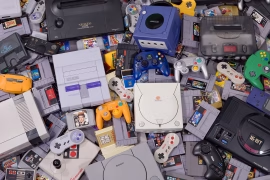
Walking into retro gaming for the first time feels exciting in a way modern gaming rarely captures anymore. Shelves packed with cartridge boxes, colorful console variations, faded instruction manuals, and decades-old controllers immediately create a sense of history that modern digital storefronts simply cannot replicate. Retro gaming collecting is not only about playing old games. It becomes part treasure hunt, part personal museum, and part emotional connection to gaming’s past.
Many new collectors make the mistake of rushing into the hobby too aggressively. They buy everything they see, chase expensive rarities immediately, and quickly burn through money without building a collection that actually means something to them personally. How to start a retro console collection becomes much easier once collectors slow down, focus on what they genuinely enjoy, and build gradually instead of treating the hobby like a race.
Start With Consoles That Actually Interest You
Retro gaming becomes far more rewarding when the collection reflects personal taste instead of internet trends. Some collectors love Nintendo nostalgia, while others connect more strongly with Sega, Sony, Atari, or obscure Japanese hardware. Starting with consoles that genuinely excite you keeps the hobby enjoyable long term.
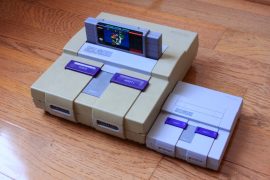
I always think about emotional connection before rarity or resale value. A scratched Super Nintendo Entertainment System tied to childhood memories often feels more meaningful than an expensive collector item purchased only because someone online called it valuable. Personal attachment keeps collectors engaged long after market trends shift.
Many beginners feel pressure to chase rare systems immediately, but focusing on familiar hardware creates a better foundation. Consoles like the Nintendo 64, PlayStation, or Sega Genesis remain popular because their libraries still feel approachable and fun today.
Set a Budget Before the Collection Grows
Retro gaming collecting becomes expensive surprisingly fast. A single console purchase rarely feels overwhelming, but controllers, memory cards, cables, games, replacement batteries, storage shelves, and accessories slowly multiply until the hobby consumes far more money than expected.
I learned quickly that budgeting matters just as much as enthusiasm. Collectors who spend recklessly early often regret impulse purchases later because they end up surrounded by hardware they barely use. Setting monthly limits helps maintain balance while preventing burnout from overspending.
Some retro systems remain relatively affordable, while others entered luxury collector territory years ago. The Neo Geo AES, for example, can cost enormous amounts even before buying games. Starting with accessible consoles allows beginners to explore the hobby without financial pressure dominating the experience.
Condition Matters More Than Beginners Expect
Collectors eventually realize that condition dramatically affects long-term satisfaction. Scratched consoles, yellowed plastic, torn labels, broken hinges, and damaged cartridge connectors may function perfectly, but heavily worn hardware often loses appeal over time.
I always inspect consoles carefully before buying. Cracks near screw holes, corrosion inside battery compartments, missing expansion covers, and damaged controller ports sometimes indicate deeper problems hiding beneath the surface. Cosmetic damage alone may not ruin functionality, but severe wear often predicts future maintenance issues.
That does not mean beginners should obsess over mint-condition hardware immediately. Perfect boxed consoles become incredibly expensive quickly. Clean, functional systems with moderate wear usually provide the best balance between affordability and long-term collecting satisfaction.
Cartridge Consoles Make Great Starting Points
Cartridge-based consoles remain excellent entry points because they generally age more reliably than disc-based hardware. Systems like the Nintendo Entertainment System and Game Boy avoid many mechanical problems associated with aging optical drives.
Disc systems eventually develop laser failures, disc-reading errors, and motor problems that can frustrate inexperienced collectors. Cartridge consoles usually require simpler maintenance involving contact cleaning and occasional battery replacements rather than complicated hardware repairs.
I still recommend cartridge systems heavily for beginners because they feel less intimidating overall. Sliding in a cartridge and immediately playing a game creates a straightforward experience that helps newcomers enjoy retro gaming before diving into more technically demanding hardware generations.
Buy Games You Intend to Play
One mistake many collectors make involves treating games purely like investment assets instead of entertainment. Shelves packed with sealed titles may look impressive online, but collections become far more meaningful when the games actually receive playtime.
I prefer building collections around curiosity and enjoyment rather than market speculation. Finding unusual platformers, overlooked racing games, or forgotten RPGs often creates stronger memories than simply buying expensive titles everyone already talks about constantly.
Games like Super Mario World, Sonic the Hedgehog 2, and Metal Gear Solid remain popular because they still play wonderfully today. Starting with proven classics helps new collectors appreciate why these consoles mattered historically.
Learn Basic Console Maintenance
Retro hardware lasts longer when collectors understand simple maintenance techniques. Dust buildup, dirty cartridge contacts, aging thermal paste, and leaking batteries eventually damage systems left unattended for years.
I started small by learning how to clean cartridge pins safely using isopropyl alcohol and microfiber cloths. Later, I became more comfortable opening consoles carefully for internal cleaning and basic repairs. Even simple maintenance dramatically improves hardware longevity.
Collectors do not need advanced electronics knowledge immediately, but basic care becomes essential over time. Reliable retro consoles survive decades surprisingly well when treated properly, and maintenance skills save enormous amounts of money compared to constant repair shop visits.
Avoid Buying Everything at Once
Retro collecting feels addictive because new discoveries happen constantly. Rare controller colors, unusual imports, limited editions, and obscure accessories tempt collectors endlessly once the hobby takes hold.
I think pacing matters enormously during the first years of collecting. Buying too much too quickly often leads to clutter and regret rather than satisfaction. A smaller collection filled with meaningful pieces usually feels far more rewarding than shelves overloaded with random purchases.
Patience also helps collectors find better deals naturally. Retro prices fluctuate constantly depending on trends, anniversaries, and internet hype cycles. Waiting carefully sometimes saves huge amounts of money while improving overall collection quality.
Local Game Stores Still Matter
Online marketplaces dominate modern collecting, but local retro game shops remain incredibly valuable for beginners. Seeing hardware physically before purchase helps collectors learn condition standards far more effectively than studying online photos alone.
Store owners often share repair advice, pricing knowledge, and recommendations that help newcomers avoid common mistakes. Local gaming communities also tend to gather around retro stores through tournaments, conventions, and trade events.
I still enjoy walking through retro shops because unexpected discoveries happen constantly. Hidden gems appear in bargain bins, trade-in shelves, and dusty display cases in ways online shopping rarely replicates. That sense of discovery remains one of the hobby’s greatest pleasures.
Storage and Display Shape the Experience
Retro collections grow quickly once multiple consoles, controllers, and games enter the picture. Proper organization becomes essential not only for appearance, but also for preserving hardware safely over long periods.
I prefer storing consoles away from direct sunlight because UV exposure slowly damages plastic shells and box artwork. Dust covers, shelving units, and plastic protectors also help maintain condition without requiring expensive preservation equipment.
Display style matters too because collections should feel enjoyable to look at daily. Some collectors build clean minimalist setups, while others embrace colorful shelves overflowing with cartridges and accessories. The best display style usually reflects the collector’s personality rather than internet trends.
Imports Open Entirely New Worlds
Japanese imports dramatically expand retro collecting possibilities. Many incredible games and hardware variants never released outside Japan, giving collectors endless opportunities to explore unfamiliar corners of gaming history.
The Sega Saturn especially benefits from Japanese collecting because the console received stronger support there than in North America. Japanese editions often also featured more colorful packaging and unusual special editions unavailable elsewhere.
I always encourage collectors to explore imports gradually because they make retro gaming feel fresh again. Even browsing Japanese box art creates excitement because the presentation feels so different compared to Western releases from the same era.
Fake Games and Counterfeits Became a Huge Problem
Modern retro collecting unfortunately includes massive numbers of counterfeit cartridges, fake boxes, and reproduction labels flooding online marketplaces. Some reproductions remain harmless fan-made collectibles, but dishonest sellers often market fake items deceptively.
I learned to inspect labels, screws, board layouts, and packaging details carefully before purchasing expensive games. Counterfeits sometimes look convincing in photos but reveal obvious flaws during physical inspection.
Beginners should never feel embarrassed asking experienced collectors for advice about authenticity. Retro communities often help newcomers identify suspicious listings and avoid costly mistakes. That shared knowledge protects collectors far better than trying to navigate the market entirely alone.
Multiplayer Consoles Create Great Starting Collections
Systems built around local multiplayer gaming often make collecting more social and approachable. Consoles like the Nintendo 64 and original Xbox remain fantastic because friends can enjoy them together immediately.
Games like Mario Kart 64 and Halo: Combat Evolved still produce incredible multiplayer sessions decades later. Sharing retro games with friends helps collections feel active rather than purely decorative.
I think social gaming keeps retro collecting emotionally rewarding long term. Consoles feel more alive when people actually gather around them regularly instead of treating them like untouchable museum artifacts.
Nostalgia Should Guide the Collection, Not Control It
Nostalgia plays a major role in retro collecting, but relying entirely on childhood memories sometimes limits the hobby unnecessarily. Many collectors eventually discover favorite games and consoles they completely missed during their original release periods.
I love revisiting familiar classics, but discovering forgotten systems often feels equally exciting. Exploring the TurboGrafx-16 or obscure handhelds introduced me to genres and design styles I never experienced growing up.
Retro gaming becomes richer once collectors balance nostalgia with curiosity. Familiar memories provide emotional comfort, while new discoveries keep the hobby feeling fresh and surprising year after year.
The Collection Will Evolve Naturally
Most collectors begin with simple goals and eventually drift toward completely different interests over time. Some focus heavily on Nintendo before moving toward arcade hardware. Others start with cartridge consoles before becoming fascinated by obscure Japanese imports or limited editions.
I stopped worrying about building a “perfect” collection years ago because retro gaming constantly changes. New interests emerge naturally through conversations, conventions, gameplay experiences, and unexpected discoveries.
That flexibility keeps the hobby enjoyable long term. Collections should evolve alongside personal interests instead of following rigid rules or internet expectations. The best retro collections always feel personal rather than manufactured for approval.
Final Thoughts
Starting a retro console collection should feel exciting, personal, and rewarding rather than stressful or competitive. The hobby works best when collectors focus on meaningful experiences, enjoyable gameplay, and gradual exploration instead of obsessing constantly over rarity or investment value.
How to start a retro console collection becomes much simpler once collectors slow down, set realistic budgets, learn basic maintenance, and prioritize consoles that genuinely interest them. Great collections grow naturally through curiosity, patience, and emotional connection to gaming history.
Retro gaming continues thriving because these consoles still carry personality decades after release. Their games remain memorable, their hardware feels distinctive, and their cultural impact still shapes modern gaming constantly. For new collectors entering the hobby today, the real challenge usually is not finding enough interesting consoles. It is finding enough shelf space once the passion fully takes hold.