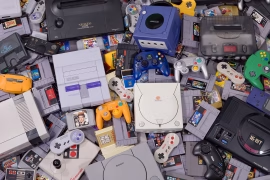
Retro gaming collecting looks exciting from the outside, but longtime collectors quickly discover that not all consoles age gracefully. Some systems survive decades with barely any maintenance, while others develop hardware failures so frequently that owning them becomes stressful rather than enjoyable. Dust, failing capacitors, laser degradation, fragile plastics, and aging power supplies eventually turn certain beloved consoles into constant repair projects.
Collectors who stay in the hobby long term usually learn to value reliability almost as much as rarity or nostalgia. A console that consistently works year after year becomes far more satisfying to own than a beautiful machine constantly sitting disassembled on a repair table. Most reliable retro consoles for long-term collecting earned their reputation because they combined strong hardware engineering, durable materials, and practical design choices that helped them survive decades of use.
The Super Nintendo Built a Reputation for Durability
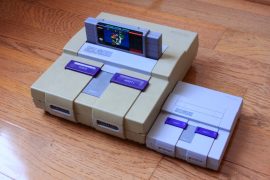
The Super Nintendo Entertainment System remains one of the most dependable retro consoles ever manufactured. Nintendo engineered the hardware with remarkable durability, and many original systems still function flawlessly despite decades of regular use.
Cartridge-based hardware played a major role in that longevity. Without moving disc drives or complicated mechanical parts, the SNES avoided many failures that eventually damaged CD-based systems. Cleaning cartridge contacts occasionally usually keeps the console running smoothly even after years sitting in storage boxes or dusty entertainment centers.
I still feel impressed every time I power on an old SNES that has survived since the early 1990s without major repairs. The console feels sturdy physically, the controllers remain reliable, and the hardware tolerates aging surprisingly well. Many collectors consider the SNES one of the safest long-term investments in retro gaming because functioning systems remain relatively easy to maintain.
The Sega Genesis Ages Surprisingly Well
The Sega Genesis deserves enormous credit for reliability despite Sega’s reputation for experimenting aggressively with hardware accessories and add-ons. The core Genesis hardware itself remains impressively durable and straightforward to maintain.
Like the SNES, cartridge technology helped the Genesis avoid many optical drive issues that plague later consoles. Original controllers also tend to survive years of use with relatively few mechanical problems. Even cosmetic wear rarely affects system functionality significantly, which helps collectors preserve playable hardware long term.
I think the Genesis benefits greatly from its simplicity. The hardware lacks unnecessary complexity, making repairs and cleaning relatively manageable even for collectors without advanced technical experience. That simplicity helped the system remain popular among retro enthusiasts who prioritize dependable long-term ownership.
The Nintendo 64 Feels Nearly Indestructible
Few retro systems earned stronger reputations for physical durability than the Nintendo 64. Nintendo built the console with thick plastic shells, reliable cartridge hardware, and controllers capable of surviving years of rough multiplayer gaming sessions.
The system’s cartridge format again eliminated fragile disc-reading components that eventually fail in optical consoles. Many original Nintendo 64 systems still function perfectly despite surviving childhood bedrooms, repeated transport between friends’ houses, and years of neglect inside storage closets.
I have always considered the Nintendo 64 one of the safest consoles for collectors concerned about longevity. The hardware tolerates abuse remarkably well compared to many competitors from the same era. Controller analog sticks eventually loosen with heavy use, but replacements and repairs remain relatively accessible within the retro gaming community.
The Original Game Boy Became Legendary for Survival
The Game Boy achieved almost mythical status for its durability. Stories about surviving explosions, military conflicts, drops, and extreme environmental conditions became part of gaming folklore because the hardware genuinely proved extraordinarily resilient.
Nintendo designed the handheld around efficiency and practicality rather than fragile technical ambition. The thick shell protected internal components effectively, while the simple monochrome screen consumed little power and aged surprisingly well over time. Even battery corrosion damage often remains repairable on original units.
I still admire how dependable the original Game Boy feels decades later. Many handheld systems from later generations developed dead pixels, cracked hinges, or failing rechargeable batteries, yet the Game Boy continues operating reliably with minimal maintenance. That rugged design philosophy turned it into one of retro gaming’s greatest long-term collecting choices.
The PlayStation 2 Balances Reliability and Massive Availability
The PlayStation 2 occupies an interesting position because it sold in enormous numbers while generally aging better than many disc-based competitors. Optical drives can eventually fail, but replacement parts and repair knowledge remain widely available because of the console’s popularity.
Sony refined the hardware significantly across multiple revisions, and later slim models especially earned strong reputations for dependable long-term performance. The console also benefits from one of the largest software libraries in gaming history, giving collectors nearly endless collecting possibilities.
I think the PlayStation 2 remains one of the smartest long-term collecting choices simply because of accessibility. Even if hardware problems appear eventually, replacement consoles and repair resources remain relatively affordable compared to rarer retro systems. Collectors rarely feel trapped or overwhelmed trying to maintain PS2 hardware.
Cartridge Consoles Usually Outlast Disc Systems
Collectors eventually notice a clear pattern across retro gaming history. Cartridge-based consoles generally age more gracefully than optical disc systems because they contain fewer moving mechanical parts vulnerable to failure over time.
Disc drives rely on lasers, motors, gears, and alignment systems that naturally wear down after years of use. Systems like the Sega CD and TurboDuo often develop hardware issues far more frequently than cartridge consoles from the same period.
I learned quickly that long-term collecting becomes much less stressful with reliable cartridge hardware. Cleaning contacts and replacing save batteries occasionally feels far easier than diagnosing failing laser assemblies or tracking down rare replacement parts for aging optical systems.
The Dreamcast Requires More Attention but Rewards Careful Owners
The Dreamcast remains beloved among collectors despite certain reliability concerns associated with aging hardware. The console’s optical drive and power supply occasionally develop problems, yet many systems continue functioning well decades after release with proper maintenance.
Sega built the Dreamcast with impressive design efficiency overall, and replacement parts remain reasonably accessible thanks to the console’s passionate fan community. Enthusiasts also created modern modifications including optical drive emulators that reduce strain on aging hardware while preserving functionality.
I still think the Dreamcast deserves consideration for long-term collectors willing to perform occasional maintenance. The console’s incredible software library and historical importance outweigh its moderate hardware vulnerabilities for many enthusiasts. Proper care dramatically improves the system’s longevity compared to neglected units.
The NES Continues Functioning Despite Connector Problems
The Nintendo Entertainment System remains surprisingly durable considering its age, though collectors frequently encounter cartridge connector issues. Blinking screens and inconsistent game loading became infamous among NES owners over the years.
Fortunately, those problems usually stem from aging connectors rather than catastrophic hardware failure. Cleaning or replacing the cartridge pin connector often restores full functionality without requiring major repairs. The core system itself remains remarkably robust despite decades of heavy use.
I always appreciate how repairable the NES feels compared to more fragile consoles. Even heavily worn systems often return to reliable condition through relatively simple maintenance procedures. That repair accessibility makes the NES far less intimidating for long-term collectors concerned about preservation.
Reliable Controllers Matter Too
Console reliability extends beyond the hardware itself because controllers heavily influence long-term collecting satisfaction. Some retro systems shipped with controllers that survived decades beautifully, while others developed chronic button failures, weak plastics, or fragile analog mechanisms.
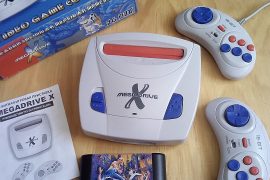
Nintendo controllers generally aged exceptionally well across multiple generations. Sega’s Genesis controllers also remain dependable despite heavy use. Meanwhile, certain third-party accessories from the retro era deteriorated rapidly because manufacturers prioritized low production costs over durability.
I think reliable controllers often receive less attention than they deserve within collecting discussions. A perfectly functioning console means little if original controllers constantly fail or feel unpleasant to use. Durable input devices help preserve the authentic experience collectors seek from retro hardware.
Storage Conditions Affect Longevity Dramatically
Even the most reliable retro consoles eventually deteriorate if stored poorly for long periods. Excessive humidity, heat, dust, and direct sunlight gradually damage plastics, internal circuitry, labels, and connectors across all gaming hardware.
Collectors serious about preservation often invest in climate-controlled storage spaces, protective cases, and regular cleaning routines. Simple habits like removing batteries from handheld systems and covering exposed cartridge slots significantly improve long-term hardware survival.
I noticed dramatic differences between consoles stored carefully and systems abandoned carelessly inside garages or damp basements. Good storage practices sometimes matter just as much as original manufacturing quality when evaluating retro hardware longevity.
Modding Communities Help Extend Console Lifespans
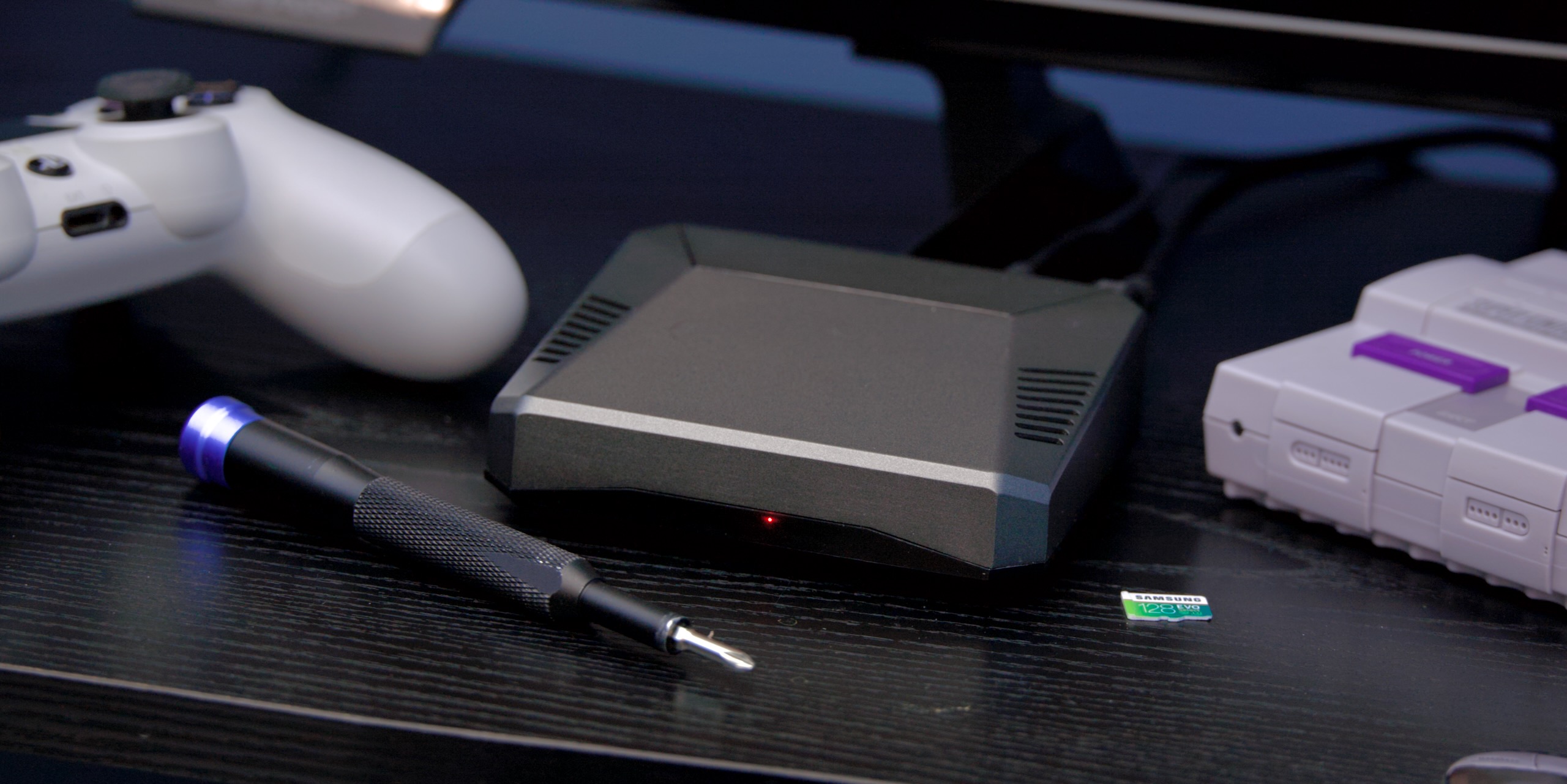
One reason certain retro consoles remain reliable for collectors involves the strength of their repair and modification communities. Popular systems benefit enormously from active enthusiasts designing replacement components, repair guides, and modernization kits.
The GameCube, for example, gained renewed popularity partly because modding communities developed optical drive replacements and HDMI upgrades that improve usability while reducing wear on aging hardware. Similar support exists for many beloved retro systems.
I appreciate how collaborative retro gaming preservation became over the years. Dedicated communities constantly develop solutions that help aging hardware remain functional far beyond original manufacturer expectations. That support network gives collectors confidence investing in certain systems long term.
Some Rare Consoles Become Risky Investments
Rarity alone does not guarantee smart long-term collecting. Certain obscure systems suffer from severe reliability issues combined with limited replacement parts, making ownership increasingly difficult as hardware ages further.
The Atari Jaguar CD and Philips CD-i often present major challenges because repair expertise and replacement components remain scarce. Collectors may spend enormous amounts acquiring hardware only to face frustrating maintenance obstacles later.
I think beginners sometimes focus too heavily on rarity while ignoring practicality. Reliable retro consoles provide far more enjoyment than fragile collector pieces constantly requiring specialized repairs. Long-term collecting works best when preservation feels manageable rather than exhausting.
Nostalgia Feels Better With Dependable Hardware
Retro gaming ultimately revolves around preserving experiences and memories. Constant hardware failures interrupt that connection and gradually transform collecting into stressful maintenance work rather than enjoyable exploration of gaming history.
Reliable consoles allow collectors to revisit favorite games spontaneously without worrying constantly about mechanical problems. That dependability helps maintain emotional attachment to the hobby itself because the hardware continues serving its original purpose effectively.
I always feel more connected to consoles that continue functioning smoothly decades later. Reliable hardware preserves not just games, but also the atmosphere and emotional comfort associated with retro gaming experiences. That consistency becomes incredibly valuable over long collecting periods.
Final Thoughts
Long-term retro collecting requires more than nostalgia alone. Hardware durability, repair accessibility, community support, and practical maintenance all shape whether a console remains enjoyable years after purchase. The most reliable retro consoles for long-term collecting consistently balance strong engineering with manageable upkeep requirements.
Systems like the Super Nintendo, Sega Genesis, Nintendo 64, Game Boy, PlayStation 2, and NES earned enduring respect because they continue functioning reliably decades after release. Their durability allows collectors to focus on enjoying games rather than constantly troubleshooting aging hardware problems.
Retro gaming preservation becomes far more rewarding when collectors invest in consoles built to survive. Reliable systems preserve gaming history while remaining accessible, playable, and emotionally meaningful long after their original commercial lifespan ended.