Stepping into retro gaming for the first time can feel surprisingly overwhelming. Decades of hardware, thousands of games, rising collector prices, and endless online debates make the hobby look far more complicated than it actually is. New players often enter the retro scene expecting a simple purchase, only to discover discussions about cartridge batteries, HDMI upscalers, region locks, and obscure accessories waiting around every corner.
The good news is that retro gaming remains incredibly rewarding once the right starting point becomes clear. Some consoles demand expensive collecting habits and technical patience, while others remain welcoming, affordable, and easy to enjoy immediately. Which retro console is best for beginners depends heavily on what kind of experience someone wants from classic gaming, but a handful of systems consistently stand above the rest because of accessibility, game quality, affordability, and long-term appeal.
The Super Nintendo Remains the Safest Starting Point
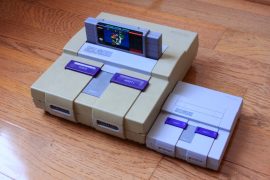
The Super Nintendo Entertainment System remains one of the easiest retro consoles for beginners to appreciate because its games still feel remarkably polished today. Nintendo perfected 2D game design during the SNES era, producing experiences that remain fun even for players with no nostalgia attached.
Games like Super Mario World immediately demonstrate why the system aged so gracefully. Controls feel responsive, visuals remain colorful, and gameplay communicates objectives clearly without overwhelming new players. Meanwhile, titles like The Legend of Zelda: A Link to the Past introduced adventure mechanics that continue influencing modern game design decades later.
I often recommend the SNES first because it avoids many frustrations associated with older gaming hardware. The controller feels comfortable, the game library remains approachable, and most titles still play smoothly on modern televisions with minimal setup complications. The system also balances challenge and accessibility beautifully, making it ideal for players exploring retro gaming seriously for the first time.
The Nintendo 64 Introduced Social Retro Gaming
The Nintendo 64 offers a completely different kind of beginner-friendly experience because of its emphasis on local multiplayer fun. Many retro consoles excel through solo adventures, but the Nintendo 64 became legendary for gathering friends around one television during chaotic gaming sessions.
Games like Mario Kart 64 and GoldenEye 007 still create unforgettable multiplayer moments despite aging graphics. The console’s four built-in controller ports also eliminated the need for adapters or complicated accessories, making spontaneous group gaming incredibly simple.
I still think the Nintendo 64 works best for beginners who value shared experiences over technical perfection. Some early 3D visuals aged awkwardly compared to sprite-based systems, yet the personality and creativity of the console remain undeniable. The system feels welcoming because its best games focus heavily on fun rather than complexity.
The Sega Genesis Offers Fast Arcade Energy
Players who prefer faster action and arcade-style gameplay often connect immediately with the Sega Genesis. Sega built the Genesis around speed, attitude, and energetic presentation, giving the console a noticeably different personality from Nintendo hardware during the 1990s.
Titles like Sonic the Hedgehog 2 showcase the console’s strengths perfectly. Bright visuals, quick movement, and aggressive soundtracks create a style that still feels exciting decades later. Fighting games, sports titles, and arcade ports also thrived on the Genesis because the hardware handled fast-paced gameplay extremely well.
I usually recommend the Genesis to beginners who enjoy action-heavy modern games because the transition feels surprisingly natural. Sega’s design philosophy emphasized immediacy and excitement, making many Genesis titles easy to pick up quickly even today. The console also remains relatively affordable compared to certain other retro systems.
The PlayStation Opened the Door to Modern Gaming
The PlayStation works wonderfully for beginners who want retro gaming experiences that still resemble modern design philosophies. Sony’s original console pushed gaming toward cinematic storytelling, 3D exploration, and mature themes that heavily influenced the industry moving forward.
Games like Metal Gear Solid and Final Fantasy VII introduced storytelling techniques that changed gaming permanently. Meanwhile, racing games, survival horror titles, and action adventures flourished because developers suddenly had access to CD technology and expanded creative freedom.
I often notice younger players adapting quickly to the original PlayStation because many gameplay concepts feel familiar compared to modern gaming. Camera systems and graphics sometimes appear rough by current standards, but the creativity and ambition of the PlayStation era remain incredibly compelling for beginners exploring gaming history.
The NES Feels Important but Can Be Challenging
The Nintendo Entertainment System deserves enormous respect for revitalizing the gaming industry after the video game crash of the early 1980s. Many legendary franchises began here, and the system helped define home gaming for an entire generation.
Games like Super Mario Bros. 3 still feel brilliant today because of their tight controls and imaginative level design. Yet beginners sometimes struggle with the NES because older games frequently demanded patience, memorization, and precision far beyond modern design standards.
I love the NES deeply, but I usually recommend it after players already develop some appreciation for retro gaming conventions. Limited save systems, high difficulty spikes, and older design philosophies can frustrate newcomers expecting smoother experiences immediately. The console remains historically essential, but not always beginner-friendly.
The Game Boy Makes Retro Gaming Portable
Portable retro gaming appeals strongly to beginners because handheld systems feel less intimidating and easier to enjoy casually. The Game Boy remains one of the most approachable handheld options because of its simplicity and legendary game library.
Games like Tetris and Pokémon Yellow still provide addictive experiences without requiring major time commitments. The hardware itself also feels durable and straightforward compared to more complicated retro systems.
I think handheld retro gaming often surprises beginners because the experiences feel wonderfully focused. Without massive open worlds or endless tutorials, players can simply enjoy gameplay immediately. The Game Boy especially excels at delivering short sessions that remain satisfying without becoming overwhelming.
The Dreamcast Rewards Curious Players
The Dreamcast occupies a fascinating space for beginners interested in gaming innovation and unusual creativity. Sega’s final console introduced online gaming concepts, experimental visuals, and arcade-perfect experiences years before many competitors fully embraced those ideas.
Games like Crazy Taxi and Jet Set Radio still feel stylish and refreshingly original today. The console also developed a passionate cult following because its library embraced bold experimentation rather than predictable trends.
I recommend the Dreamcast to beginners who already enjoy exploring unusual games outside mainstream gaming culture. The hardware carries incredible personality, and many titles still feel creatively fresh decades later. Yet collecting Dreamcast hardware and accessories can become more expensive compared to more common systems.
Affordability Matters More Than People Admit
Retro gaming conversations often focus heavily on nostalgia and technical performance, but affordability plays a massive role for beginners entering the hobby. Certain consoles now carry collector prices that make casual exploration financially stressful.
Systems like the SNES, Genesis, and original PlayStation still offer relatively accessible entry points because of their enormous production numbers and broad software libraries. Meanwhile, consoles like the Neo Geo AES or Panasonic Q target serious collectors with budgets far beyond what most beginners should consider initially.
I always encourage newcomers to focus on enjoying games rather than chasing rare collectibles immediately. Retro gaming becomes much more enjoyable once players stop worrying about owning expensive showcase items and instead focus on discovering experiences they genuinely love.
Modern Connectivity Can Influence Decisions
One issue many beginners overlook involves connecting older hardware to modern televisions. Certain retro consoles integrate more smoothly with modern displays than others, which affects overall accessibility significantly.
The PlayStation 2 and later retro systems often support cleaner video outputs that look better on HDTVs. Earlier hardware sometimes requires adapters, upscalers, or CRT televisions for optimal performance. Beginners usually appreciate consoles that function without requiring extensive technical setup or expensive accessories.
I think convenience matters tremendously for new retro gamers. Spending hours troubleshooting cables and display settings can quickly drain excitement from the hobby. Starting with user-friendly hardware allows beginners to focus on the games themselves rather than technical frustrations.
Emulation Opened the Door for New Players
Modern emulation changed retro gaming dramatically by allowing beginners to explore classic libraries without immediately investing in physical hardware. Many players discover retro gaming passion through software emulation before transitioning toward collecting original systems later.
Devices like the Analogue Pocket and retro mini consoles also simplified access considerably. Nintendo’s NES Classic Edition and Super NES Classic Edition introduced curated retro experiences designed specifically for modern audiences.
I think emulation often serves as the perfect gateway into retro gaming. Beginners can experiment with different genres and systems cheaply before deciding which hardware genuinely interests them long term. That flexibility helps people discover their tastes without enormous financial commitment upfront.
The Best Beginner Console Depends on Personality
Retro gaming remains wonderfully diverse because different consoles emphasize completely different experiences. Some systems focus heavily on multiplayer chaos, while others excel through storytelling, platforming, arcade action, or role-playing depth.
Players who enjoy modern cinematic games may connect quickly with the original PlayStation. Fans of polished platformers and colorful adventures often fall in love with the SNES immediately. Competitive players may prefer the Nintendo 64 or Sega Genesis because of their social energy and fast-paced gameplay.
I always tell beginners that no universal answer exists despite endless online debates. Which retro console is best for beginners ultimately depends on personal taste, patience level, and gaming goals. The important part involves starting somewhere accessible rather than obsessing endlessly over finding the “perfect” first console.
Retro Gaming Feels Different From Modern Gaming
Modern games often prioritize massive worlds, constant updates, and endless progression systems. Retro games usually focused more tightly on immediate gameplay, memorable music, and concise design philosophy. That difference surprises many beginners initially.
Classic games also expected players to experiment, fail, and improve gradually without excessive tutorials or hand-holding. Some newcomers find that refreshing, while others need time adapting to older design conventions. Retro gaming rewards curiosity and patience in ways modern gaming sometimes avoids.
I think that contrast explains why retro gaming continues attracting new audiences decades later. These games often feel more direct and focused than modern releases packed with complicated systems and monetization strategies. Beginners frequently discover that simplicity itself becomes part of retro gaming’s lasting charm.
Final Thoughts
Entering retro gaming does not require massive budgets, technical expertise, or encyclopedic gaming knowledge. The hobby becomes far more approachable once beginners focus on accessible consoles with strong libraries, reliable hardware, and welcoming gameplay experiences.
Which retro console is best for beginners depends largely on individual taste, but systems like the Super Nintendo, Sega Genesis, Nintendo 64, Game Boy, and original PlayStation consistently provide excellent starting points. Each offers a unique window into gaming history while remaining enjoyable enough to stand on their own today.
Retro gaming succeeds because these consoles still carry personality decades after release. Their games remain memorable, their hardware feels distinctive, and their design philosophies continue influencing modern gaming constantly. For beginners stepping into the retro world, the hardest part usually is not finding a good console. It is deciding where to stop once the collection starts growing.