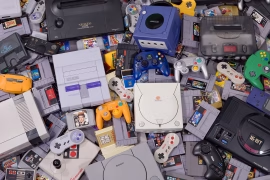
Dust-covered storage boxes, faded cardboard packaging, and forgotten electronics hidden in closets have become the starting point for some of the most exciting discoveries in retro gaming. Few moments compare to finding a rare Sega Genesis console sitting untouched after decades, especially when collectors know how difficult certain models are to track down. What once looked like an outdated gaming system can now carry enormous historical and financial value.
Retro collectors continue chasing these elusive machines because the Sega Genesis era represented one of the boldest periods in gaming history. Sega pushed aggressive marketing campaigns, released unusual hardware revisions, experimented with accessories, and created limited editions that today feel almost mythical. Rare Sega Genesis consoles collectors dream about are not just gaming systems anymore. They are pieces of gaming history tied to memories, rivalries, and a time when the console wars felt genuinely intense.
The Sega Genesis Became More Than a Console
The original Sega Genesis entered the market with attitude. Nintendo dominated the gaming industry during the late 1980s, yet Sega positioned itself as the rebellious alternative aimed at players who wanted faster games and edgier experiences. That image helped the console stand apart immediately, and it also opened the door for numerous hardware variations that collectors obsess over today.
Walking through retro gaming conventions always reminds me how passionate Genesis collectors remain. Discussions rarely stop at games alone because hardware revisions, regional differences, and promotional editions have become major parts of Sega history. Some consoles were released in extremely limited quantities, while others only appeared in certain regions or special events.
Part of the excitement comes from the unpredictability of the hunt. Unlike modern limited-edition systems that are carefully marketed to collectors, many rare Genesis variants became valuable almost by accident. Some sold poorly, others disappeared quickly from store shelves, and a few were never widely available to the public at all. That mystery keeps collectors searching year after year.
The Sega Genesis Model 1 Remains the Fan Favorite
The original Model 1 Genesis continues to hold legendary status among retro enthusiasts. Its design feels bold and unmistakably early 1990s, complete with sharp edges, a large cartridge slot, and the iconic “High Definition Graphics” label that many collectors desperately search for today. That specific version became famous because of its superior audio quality compared to later hardware revisions.
Playing Genesis games on an authentic Model 1 still feels special to me because the sound carries a raw energy that perfectly matches Sega’s arcade-style identity. Games like Sonic the Hedgehog and Streets of Rage 2 sound punchier and more aggressive on early hardware. Collectors often debate technical details endlessly, but many agree that the original model delivers the most authentic Genesis experience.
Finding a clean Model 1 with original packaging has become increasingly difficult. Boxes were often damaged or discarded, and many consoles suffered heavy use during the height of Sega’s popularity. That scarcity turned pristine examples into highly sought-after collectibles. While the standard Model 1 is not the rarest Genesis console ever made, specific variations within that model line can command serious attention among dedicated collectors.
The Sega Genesis CDX Feels Like a Forgotten Luxury
Few Sega systems capture collector fascination quite like the Sega CDX. Released during Sega’s experimental hardware period, the compact unit combined the Sega Genesis and Sega CD into a sleek portable-friendly design that looked incredibly futuristic for its time. The console resembled high-end electronics more than a toy, which immediately gave it a unique identity.
The CDX fascinated me the moment I saw one in person years ago. Its compact size felt almost unbelievable compared to the bulky Genesis and Sega CD combination most players owned. Sega even included the ability to play audio CDs, reinforcing the company’s attempt to position the machine as a premium entertainment device rather than just another gaming console.
High pricing limited the system’s success during its original release, and that failure ironically helped turn it into a collector’s dream decades later. Working units with functioning disc drives are becoming harder to find because aging hardware often develops mechanical issues. Complete-in-box CDX systems now represent some of the most desirable Sega collectibles in existence.
The JVC X’Eye Became an Unexpected Treasure
The JVC X’Eye sits in a fascinating corner of Sega history because many casual players barely knew it existed. Produced through a partnership between Sega and JVC, the console combined Genesis and Sega CD functionality into a stylish multimedia unit designed for entertainment enthusiasts willing to spend extra money.
Its appearance immediately stands apart from standard Sega hardware. Rounded edges, cleaner aesthetics, and a more premium presentation gave the X’Eye a sophisticated look compared to the aggressive styling of the standard Genesis. The console almost looked too elegant for Sega’s edgy image during the 1990s, which made it feel strangely unique within the company’s lineup.
Collectors now chase the X’Eye because of its limited availability and distinctive design. I always find it interesting how systems that struggled commercially later become highly respected collectibles. The X’Eye represents Sega’s willingness to experiment during an era when the company constantly pushed unusual hardware ideas into the market. That adventurous spirit helped create some of the rarest Sega Genesis consoles collectors dream about today.
The Sega Nomad Was Ahead of Its Time
Portable gaming existed long before the Sega Nomad arrived, but few handheld systems felt as ambitious. Sega essentially transformed the Genesis into a portable console capable of playing full Genesis cartridges on the go. The concept sounded incredible during the mid-1990s, and seeing a handheld device run console-quality games felt almost unreal.
Battery life created major challenges for the Nomad, yet its technical achievement remains impressive even today. Holding one still feels strangely futuristic because modern hybrid gaming devices resemble ideas Sega explored decades earlier. Playing Mortal Kombat II or Gunstar Heroes on a portable Genesis system seemed revolutionary at the time.
Collectors treasure the Nomad partly because it represented Sega at its most daring. The company consistently experimented with hardware concepts that competitors avoided, even when those ideas carried enormous risks. Working Nomads with bright screens and clean battery compartments have become increasingly valuable, especially since many surviving units show heavy wear from portable use.
The Sega Genesis Wondermega Turned Into a Collector Legend
Japan received several exclusive Sega products that never reached most international audiences, and the Wondermega stands among the most fascinating examples. Released through partnerships with companies like JVC and Victor, the Wondermega combined gaming and multimedia features into an extravagant entertainment machine that looked far ahead of its era.
The console carried futuristic styling with smooth curves and integrated audio features that made standard Genesis systems appear almost primitive by comparison. Looking at a Wondermega today still feels surreal because the design resembles electronics from a later decade. Sega clearly wanted the system to feel luxurious, and that ambition helped cement its legendary status among collectors.
Import collectors especially value the Wondermega because of its rarity outside Japan. Tracking down one in good condition often requires patience, connections, and a willingness to spend substantial amounts of money. Rare Sega Genesis consoles collectors dream about frequently involve Japanese exclusives, and the Wondermega perfectly embodies that category.
Limited Promotional Consoles Became Holy Grails
Sega occasionally produced promotional consoles tied to contests, events, or partnerships, and these systems now rank among the rarest gaming items ever created. Some were never sold publicly at all, instantly transforming them into mythical pieces of Sega history.
The Sega Genesis partnered with brands, magazines, and special promotions throughout its lifespan, resulting in hardware variations that many collectors may never even see in person. Certain custom-colored units and event-exclusive systems exist in incredibly small quantities. Stories surrounding these consoles often sound almost unbelievable because documentation can be surprisingly limited.
I have spoken with collectors who spent years searching for promotional Genesis hardware without success. That scarcity fuels obsession within the retro gaming community. Unlike mass-produced consoles, promotional editions carry stories tied directly to gaming culture and marketing history, making them feel more personal and mysterious.
Regional Variants Fascinate Dedicated Collectors
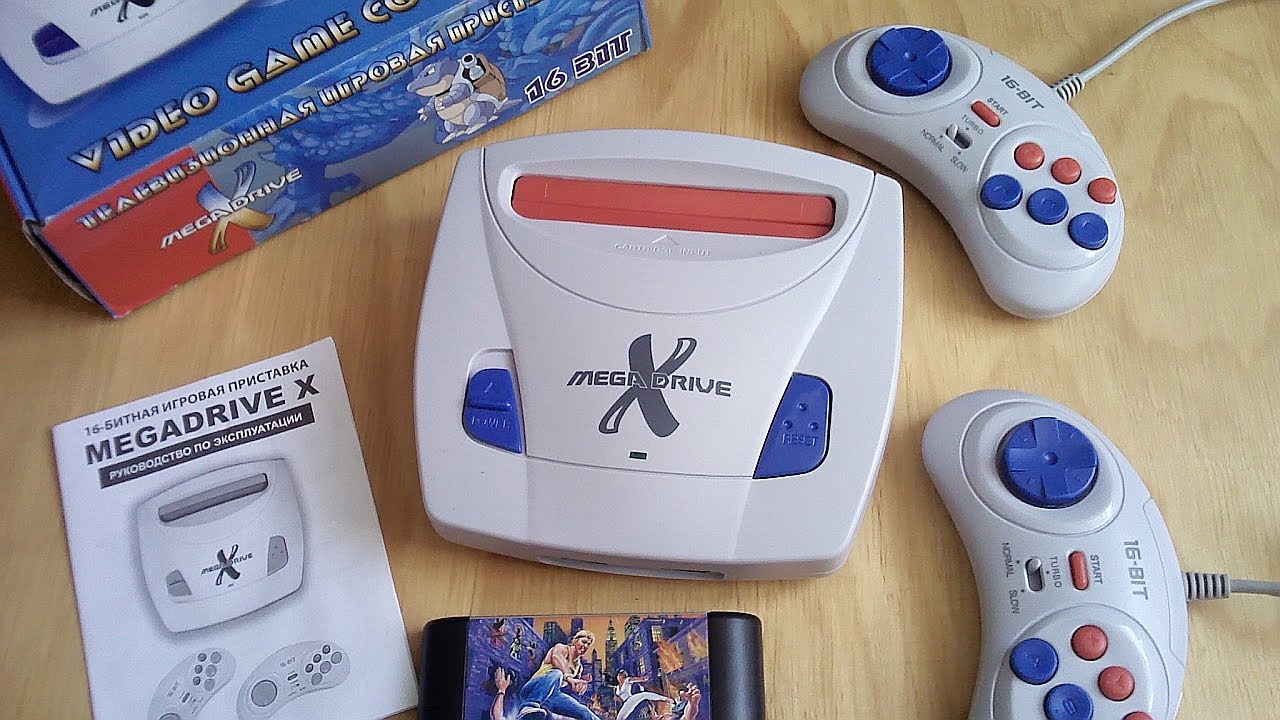
The Sega Genesis existed under different names and designs depending on the region. In Japan, the console appeared as the Mega Drive, while European versions featured unique packaging and hardware differences that collectors eagerly pursue today. Regional variations add another layer of complexity to Genesis collecting.
Japanese Mega Drive consoles often attract attention because of their striking box art and exclusive accessories. European editions can also become highly desirable depending on rarity and condition. Collectors frequently debate which regional versions look best, but the diversity itself remains part of the appeal.
Exploring regional Sega history always fascinates me because it reveals how differently companies marketed gaming across the world. Small design changes, alternate branding, and region-specific releases transformed the Genesis into a truly global phenomenon. That worldwide reach helped create countless rare hardware combinations that continue exciting collectors decades later.
Condition Matters More Than Most People Realize
Rare consoles alone do not guarantee enormous value. Condition plays a massive role in determining collector interest, especially within the retro gaming market where complete packaging has become increasingly scarce. A mint-condition console with original inserts, manuals, and packaging can command dramatically higher prices than loose hardware alone.
Cardboard boxes from the 1990s rarely survived in perfect shape. Many children tore packaging open carelessly, discarded manuals, or damaged consoles through years of heavy use. Finding rare Sega hardware with pristine packaging now feels almost miraculous because so few examples remained protected over time.
I always notice how collectors react emotionally when encountering flawless retro hardware. The condition instantly transports people back to the moment those systems originally appeared on store shelves. That emotional connection drives much of the collector market, turning preserved consoles into powerful nostalgic artifacts rather than simple electronics.
Retro Gaming Communities Keep the Hunt Alive
The internet transformed retro collecting by connecting enthusiasts worldwide. Forums, conventions, social media groups, and auction platforms allowed collectors to share discoveries and compare hardware variations more easily than ever before. Information that once remained hidden among niche hobbyists now spreads quickly throughout the retro gaming world.
At the same time, increased awareness pushed prices higher because more people realized how valuable certain systems had become. Consoles once ignored at garage sales now attract fierce bidding wars online. Rare Sega Genesis consoles collectors dream about continue rising in popularity because demand constantly grows while supply remains limited.
Despite rising prices, the excitement surrounding retro collecting remains deeply enjoyable. Conversations with fellow collectors often reveal fascinating stories about hidden finds, lucky discoveries, and decades-long searches finally coming to an end. Those stories become part of the hobby itself, turning collecting into something far more meaningful than simply owning old hardware.
Sega’s Experimental Era Left a Lasting Legacy
Few gaming companies experimented with hardware as aggressively as Sega during the 1990s. Some ideas succeeded brilliantly, while others failed commercially, but that willingness to take risks created one of the most fascinating periods in gaming history. The Genesis era produced an extraordinary variety of consoles, add-ons, and regional variants that continue captivating collectors today.
Modern gaming companies rarely embrace the same level of unpredictability. Hardware releases now feel carefully calculated and market-tested, while Sega often appeared willing to gamble on strange concepts simply because they sounded exciting. That fearless creativity helped the company stand apart from competitors and left behind a treasure trove of unusual collectibles.
Rare Sega Genesis consoles collectors dream about continue gaining legendary status because they represent more than rarity alone. Each system tells a story about Sega’s ambition, creativity, and relentless desire to challenge the gaming industry. Those stories give the hardware emotional value that extends far beyond simple nostalgia.
Final Thoughts
Retro gaming collecting continues evolving, yet Sega Genesis hardware remains among the most fascinating areas of the hobby. From luxurious multimedia systems to bizarre promotional editions, the Genesis family produced an incredible range of consoles that still inspire excitement decades later. Few gaming eras generated such a wild combination of creativity and experimentation.
Tracking down these rare systems requires patience, research, and often a fair amount of luck. Many collectors spend years hunting specific models while hoping to uncover forgotten treasures hidden in basements, storage units, or old electronics shops. That pursuit becomes part of the appeal because each discovery feels like rescuing a small piece of gaming history.
Rare Sega Genesis consoles collectors dream about continue holding legendary status because they capture the spirit of an unforgettable gaming era. Sega pushed boundaries constantly, and even its commercial failures became cherished artifacts over time. Long after the console wars ended, those rare systems still remind players how exciting and unpredictable gaming once felt.