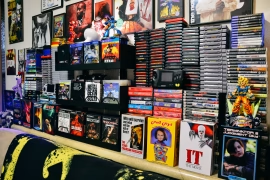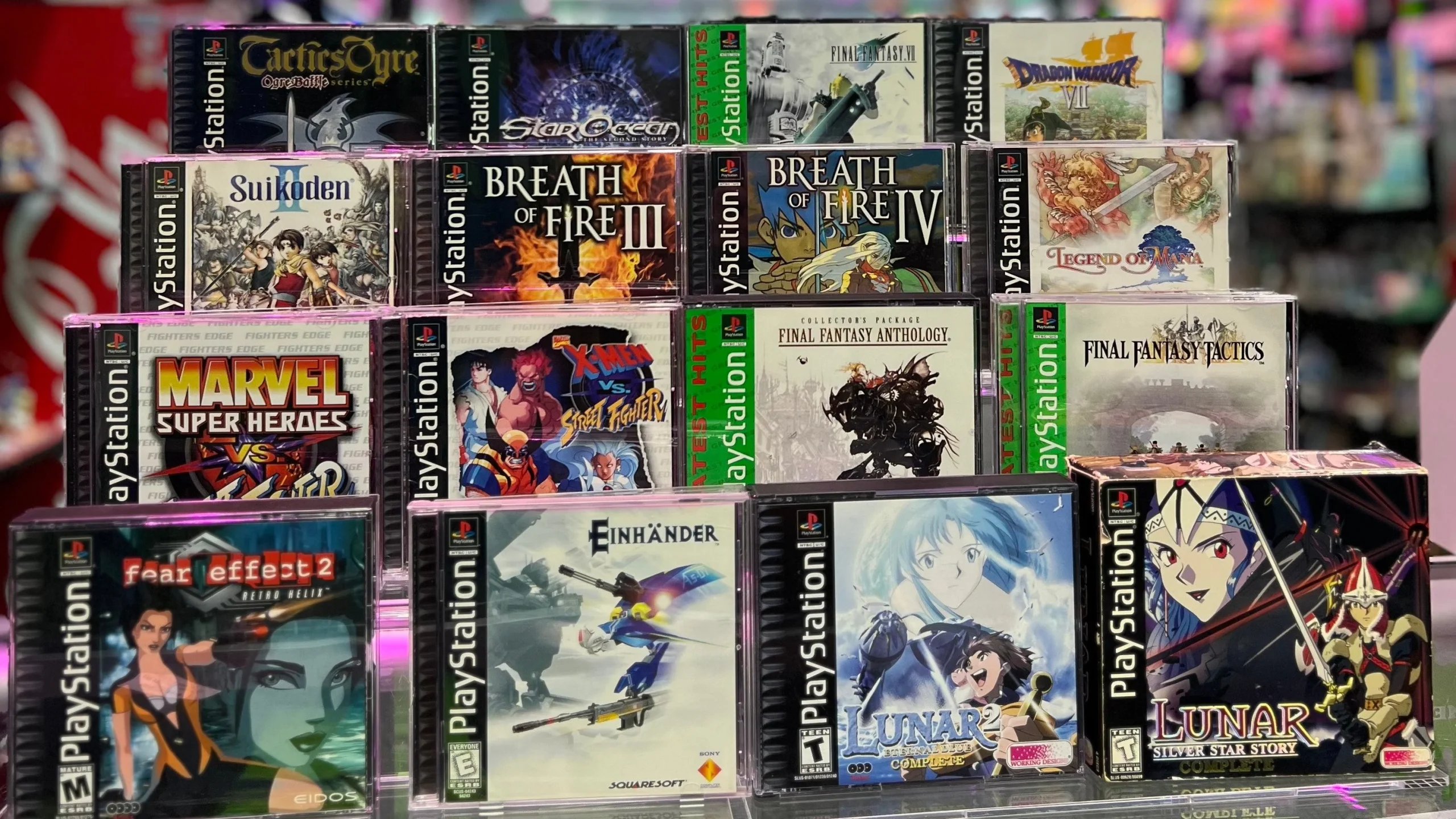
Old cartridges once buried inside garage sale boxes are now sitting behind glass cases with price tags that feel almost unbelievable. Games that collectors casually bought for pocket change fifteen years ago suddenly cost hundreds or even thousands of dollars today. A hobby that once felt inexpensive and accessible transformed into a market filled with bidding wars, grading debates, and collectors scrambling to secure titles before prices climb even higher.
Retro collecting changed dramatically once nostalgia collided with internet culture and mainstream attention. Players who grew up during the golden eras of Nintendo, Sega, Sony, and arcade gaming reached adulthood with disposable income and a strong desire to reconnect with childhood memories. Why Retro Game Prices Keep Rising has become one of the biggest discussions in modern collecting because the increases affect nearly every system and genre. What began as a niche hobby evolved into an international market driven by emotion, scarcity, speculation, and cultural history.
Nostalgia Became a Powerful Economic Force
Nostalgia drives retro collecting more than almost anything else. People naturally reconnect with the games they loved during childhood once adulthood brings financial stability and emotional reflection. A cartridge tied to weekend sleepovers, school vacations, or favorite family memories suddenly feels worth far more than its original retail price.
The Nintendo Entertainment System generation experienced this transformation first on a major scale. Players who grew up with titles like Super Mario Bros. and The Legend of Zelda reached an age where buying back lost childhood collections became realistic financially. Demand exploded once thousands of collectors started chasing the exact same games simultaneously.
I watched this shift happen gradually over the years. Retro stores that once struggled to move common cartridges suddenly became crowded with collectors searching for nostalgic favorites. Games people ignored for decades became emotional time capsules connected to earlier stages of life. That emotional pull created a market far stronger than simple entertainment value alone.
Physical Copies Became Increasingly Scarce
Retro games are not being manufactured anymore, which means supply only shrinks over time. Cartridges break, boxes get thrown away, manuals disappear, and discs become scratched beyond repair. Meanwhile, demand continues growing as new collectors enter the hobby constantly.
Complete boxed games became especially valuable because cardboard packaging rarely survived childhood ownership intact. Kids ripped open boxes, tossed inserts aside, and stacked cartridges carelessly without imagining future collector markets. Authentic complete copies of games for systems like the Super Nintendo Entertainment System and Nintendo 64 now command enormous premiums because so few remain in excellent condition.
Scarcity feels very different once collectors start hunting seriously. A game may appear common online until someone specifically tries finding a clean complete copy at a reasonable price. Suddenly the market feels far smaller than expected. That realization pushes collectors toward faster purchases, which drives prices even higher.
The Internet Changed Retro Collecting Forever
Retro collecting used to rely heavily on local hunting. Collectors searched flea markets, thrift stores, garage sales, and small game shops hoping to stumble across hidden treasures. The internet completely changed that environment by connecting buyers and sellers worldwide instantly.
Websites like eBay created global visibility for rare games and accurate pricing data. Sellers who once priced games randomly based on guesswork suddenly knew exact market values. Bargains became harder to find because nearly everyone could research prices within seconds.
I remember walking into retro shops years ago and seeing rare RPGs sitting untouched because few people cared at the time. Today, the same games disappear almost immediately once listed online. Information spread rapidly through forums, videos, and social media, turning once-obscure titles into collector targets practically overnight.
YouTube and Social Media Fueled Demand
Retro gaming content exploded online over the last decade. YouTubers began showcasing hidden gems, rare collections, expensive grails, and nostalgic memories tied to older consoles. Suddenly millions of viewers became interested in games they had never heard about previously.
A single popular video can dramatically increase demand for overlooked titles. Collectors rush toward games featured in hidden gem lists or retrospective documentaries, causing prices to spike rapidly. The Sega Saturn market experienced major growth partly because online creators highlighted its unusual library and overlooked exclusives repeatedly.
I have seen relatively affordable games double in price within months after gaining online attention. Once collectors collectively decide a title deserves recognition, supply disappears quickly. Social media accelerated trends so aggressively that retro markets now react almost instantly to renewed interest.
Grading and Sealed Game Auctions Changed the Market
Game grading introduced an entirely different level of financial speculation into retro collecting. Companies began sealing games inside protective cases while assigning condition scores similar to comic book grading systems. High-grade sealed games started appearing at massive auctions with astonishing price tags attached.
Record-breaking sales involving titles like Super Mario 64 and The Legend of Zelda pushed retro gaming into mainstream financial news. Suddenly people outside the hobby viewed old games as investment assets instead of nostalgic collectibles.
The atmosphere changed noticeably afterward. Collectors began paying far more attention to condition, seal variations, and grading potential. I still find it strange seeing games once ripped open casually during childhood treated like fine art pieces sitting inside display cases. That investment mentality permanently reshaped pricing across the hobby.
Pandemic-Era Collecting Created Massive Surges
The global pandemic created one of the biggest retro collecting booms in history. People spent more time at home revisiting nostalgic hobbies while stimulus money and reduced travel spending increased disposable income for many collectors. Demand exploded almost overnight.
Retro gaming offered comfort during uncertain times because familiar games reminded players of simpler periods in life. Consoles like the GameCube, PlayStation 2, and Dreamcast experienced major price increases across large portions of their libraries.
Watching prices climb during that period felt surreal. Games sitting untouched on store shelves for years suddenly disappeared completely. Collectors who waited too long to buy favorite titles often returned later only to discover prices had doubled or tripled unexpectedly.
Rare Games Became Status Symbols
Certain retro games evolved into collector trophies rather than simple entertainment products. Owning rare titles like EarthBound, Panzer Dragoon Saga, or Stadium Events became symbols of dedication and financial commitment within collector culture.
Social media amplified this phenomenon because collectors constantly share shelves, pickups, and expensive acquisitions publicly. Rare games gained prestige value beyond gameplay quality itself. Collectors began competing indirectly through collection showcases and rarity rankings.
I understand the excitement because finally securing a difficult-to-find title feels genuinely satisfying. At the same time, the rise of status-driven collecting pushed many prices far beyond what casual players can reasonably afford. Some games became collector centerpieces instead of accessible experiences.
Re-Releases Sometimes Increase Interest Instead of Lowering Prices
Many people assumed digital re-releases and retro compilations would reduce demand for original cartridges. In reality, the opposite often happens. Modern re-releases frequently introduce classic games to entirely new audiences who later decide they want authentic physical copies.
The Pokémon franchise demonstrates this effect perfectly. New releases constantly attract younger players curious about earlier generations, which increases interest in older Game Boy cartridges and original hardware. Nostalgia and historical curiosity work together instead of competing.
I have watched collectors discover retro franchises through digital services before eventually hunting original cartridges afterward. Playing classic games digitally often sparks deeper appreciation for the original packaging, hardware, and historical context surrounding older releases.
Counterfeit Markets Increased Perceived Value
Counterfeit retro games became widespread once prices started climbing aggressively. Reproduction cartridges flooded online marketplaces, especially for valuable titles tied to franchises like Pokémon and Zelda. Ironically, the rise of counterfeits made authentic copies feel even more desirable.
Collectors became increasingly obsessed with verification, authenticity, and condition once fake cartridges entered the market heavily. Trusted sellers gained more influence while pristine verified copies commanded stronger premiums. Authenticity itself became part of the value equation.
I still remember how uncommon reproduction cartridges felt years ago compared to today. Now collectors constantly inspect labels, screws, and circuit boards carefully before making purchases. That added layer of caution reinforced the idea that genuine retro games are becoming scarce historical artifacts worth protecting.
Younger Generations Entered the Hobby
Retro collecting no longer belongs exclusively to people who grew up during the original console eras. Younger collectors increasingly explore older gaming libraries through online videos, streaming culture, and retro-inspired indie games. Many discover classic systems years after their original release periods ended.
The Game Boy Advance and original Nintendo DS generations especially gained attention from younger audiences recently because those systems now represent earlier childhood memories themselves. Nostalgia moves in cycles, meaning newer retro eras continuously emerge.
Watching younger players discover systems I grew up with feels strangely satisfying. Their enthusiasm proves retro gaming is not purely about aging collectors reliving childhoods. Great games continue attracting fresh audiences regardless of release date, which keeps demand alive across generations.
Collectors Fear Future Price Increases
Fear drives portions of the retro market constantly. Many collectors buy games quickly because they worry prices will rise even higher later. That mindset creates self-perpetuating demand where collectors rush purchases specifically to avoid future regret.
Certain systems developed reputations for explosive price growth, causing collectors to target them aggressively before values climb further. The Sega Saturn and TurboGrafx-16 markets experienced this phenomenon strongly because collectors viewed them as relatively underappreciated compared to Nintendo libraries.
I have felt that pressure personally more than once. Passing on a game only to see prices skyrocket months later creates lasting frustration. Those experiences encourage faster buying decisions in the future, which pushes market demand even harder.
Retro Games Became Recognized as Cultural History
Gaming evolved into one of the largest entertainment industries in the world, and retro games increasingly receive recognition as culturally important artifacts. Museums, academic discussions, documentaries, and preservation projects all contributed to that shift in perception.
Collectors no longer view old cartridges as outdated toys alone. Games now represent technological milestones, artistic achievements, and important moments in entertainment history. Titles tied to major franchises or groundbreaking innovations naturally gained stronger long-term value as cultural appreciation expanded.
I think this historical recognition plays a massive role in why retro game prices keep rising consistently. People are not just buying software anymore. They are buying preserved pieces of gaming’s evolution, complete with original packaging, artwork, and physical connections to earlier eras of entertainment.
Final Thoughts
Retro game prices continue climbing because multiple forces collided at exactly the right time. Nostalgia, scarcity, internet culture, grading, investment speculation, and gaming history all combined to transform old cartridges into highly sought-after collectibles. The hobby evolved far beyond simple gameplay decades ago.
Why Retro Game Prices Keep Rising ultimately comes down to emotional attachment mixed with limited supply. Collectors want tangible connections to gaming memories and cultural milestones that cannot be recreated fully through digital downloads or emulation. Physical games feel personal in ways modern entertainment rarely matches.
The market will likely continue changing as new generations enter the hobby and older systems gain nostalgic appeal. Some prices may fluctuate, while others could reach even more unbelievable levels over time. Yet the passion driving retro collecting remains rooted in the same feeling that started it all: the excitement of holding a piece of gaming history in your hands.