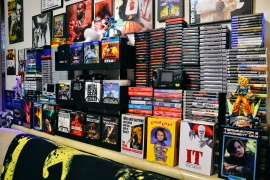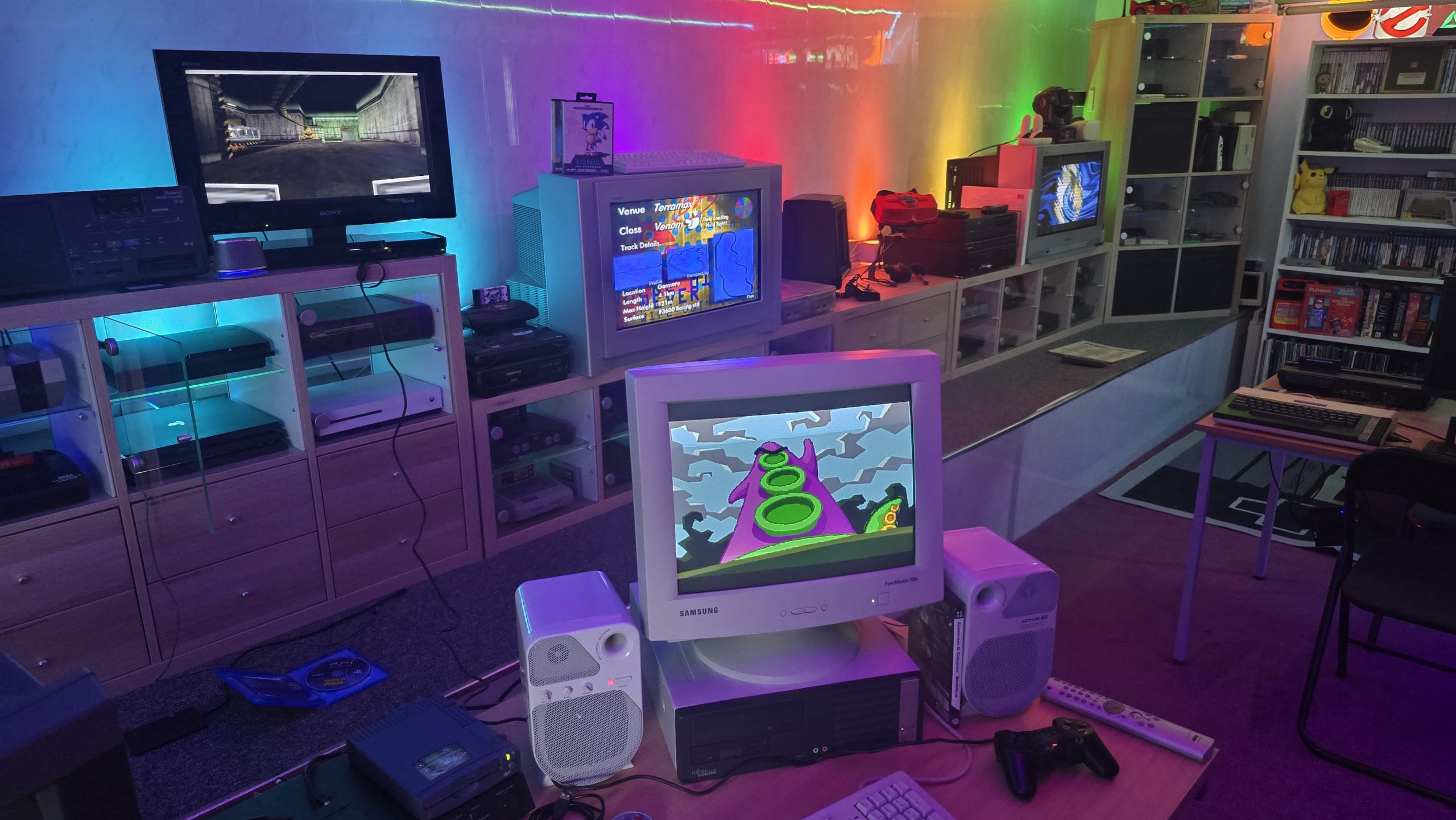
Stacks of cartridges, glowing CRT televisions, and shelves packed with old consoles make retro collecting look effortless from the outside. Social media feeds are filled with pristine game rooms and rare titles sitting behind glass cases, giving newcomers the impression that building an impressive collection happens quickly. Reality feels very different once the hunt actually begins. Prices fluctuate constantly, counterfeits appear everywhere, and impulse buying can turn an exciting hobby into an expensive mess faster than most beginners expect.
Retro collecting rewards patience and experience more than pure enthusiasm. Nearly every longtime collector has stories about overpaying for games, buying damaged hardware, or chasing titles that eventually meant nothing to them personally. Those mistakes become part of the process, but avoiding the biggest ones early can save enormous amounts of money and frustration. Common Mistakes New Retro Collectors Make often come from excitement overpowering common sense, especially during the early months of collecting.
Buying Too Much Too Fast
Excitement can become dangerous the moment someone starts collecting retro games. Walking into a retro store or browsing online marketplaces creates the urge to grab everything in sight before prices rise again. Many beginners convince themselves that building a massive collection quickly equals success, but that mentality usually leads to shelves filled with games they barely care about.
I have seen collectors burn through entire budgets in weeks because they feared missing out on deals. Large bundles and random lots look appealing at first, especially when sellers advertise them as “must-have collections.” The problem appears later once the excitement fades and half the games never leave the shelf again. Quantity often creates clutter instead of satisfaction.
Smaller collections with carefully selected titles almost always feel more rewarding over time. A shelf filled with personal favorites tells a better story than hundreds of random sports games purchased only because they were cheap. Slowing down also creates room to research prices, learn market trends, and discover which systems genuinely deserve long-term attention.
Ignoring Game Condition
Many new collectors focus entirely on price while ignoring condition completely. Cheap cartridges with torn labels, water damage, cracked cases, or missing manuals may seem like harmless compromises initially, but those issues become frustrating later. Poor condition copies rarely feel satisfying once a collection matures.
Disc-based games create even bigger risks because scratches and resurfacing damage can affect playability. Older consoles also suffer from yellowed plastic, broken ports, or hidden hardware problems that sellers conveniently fail to mention. Saving a few dollars upfront sometimes leads to expensive replacements later.
I learned quickly that condition matters more than impatience. A clean, tested game often feels worth waiting for instead of settling for damaged copies simply because they appear cheaper in the moment. Collecting becomes far more enjoyable once shelves contain games that actually look preserved instead of neglected.
Chasing Expensive Games Before Building Experience
Rare and expensive titles dominate retro gaming discussions online. Games like EarthBound or Panzer Dragoon Saga immediately grab attention because collectors treat them like trophies. Beginners often make the mistake of chasing these massive purchases before developing real knowledge about the hobby itself.
Expensive games attract counterfeiters, inflated prices, and speculative sellers. Without experience spotting reproduction cartridges or manipulated listings, newcomers become easy targets. Spending huge amounts on rare games before building collecting instincts creates unnecessary risk.
Some of the best retro experiences cost surprisingly little. The PlayStation 2, Nintendo Wii, and original Xbox libraries remain packed with affordable classics that still feel fantastic today. Starting with accessible systems builds confidence while making the hobby far less stressful financially.
Failing to Research Prices
Retro game prices shift constantly because of demand, nostalgia waves, online influencers, and limited supply. Beginners who skip research often pay far more than necessary, especially at conventions or retro stores where excitement clouds judgment. Sellers quickly recognize inexperienced buyers who lack pricing knowledge.
Checking completed listings on eBay or tracking values through PriceCharting helps establish realistic expectations before purchases happen. Some games genuinely command high prices, but many sellers rely on nostalgia-driven impulse buying to inflate ordinary titles far beyond their actual value.
I still compare prices regularly even after years of collecting because the market changes unpredictably. A game that seemed affordable six months earlier can suddenly double in price after online attention increases demand. Staying informed prevents emotional purchases that later feel regrettable.
Overlooking Hardware Maintenance
Retro consoles are aging electronics, not indestructible museum pieces. Many new collectors buy old systems expecting them to function perfectly forever without maintenance. Dust buildup, worn capacitors, failing disc drives, and dirty cartridge pins eventually affect nearly all retro hardware.
The Nintendo Entertainment System is notorious for blinking red light issues, while older disc-based systems often struggle reading games consistently. Ignoring maintenance usually turns small problems into expensive repairs. Cleaning hardware properly and storing consoles carefully extends lifespan dramatically.
I underestimated maintenance early on and paid for it later with damaged hardware. One poorly stored console developed corrosion after sitting unused in humid conditions for too long. That mistake changed how I handled storage completely because replacement systems are not becoming easier to find.
Buying Games Just Because They Are Rare
Scarcity creates strange psychology within collecting culture. New collectors sometimes buy games purely because they hear they are rare, even if they have no interest in actually playing them. That mentality quickly drains enthusiasm because shelves become filled with titles carrying no personal connection.
Rare does not automatically mean enjoyable. Plenty of obscure games became expensive simply because of low print runs, not because the gameplay deserved legendary status. A mediocre game remains mediocre regardless of how difficult it is to find.
Some of my favorite retro experiences came from inexpensive titles discovered by accident. Meanwhile, a few supposedly valuable games ended up disappointing me almost immediately. Collecting feels far more meaningful once personal taste matters more than internet hype or rarity rankings.
Falling for Counterfeit Games
Counterfeit retro games have exploded across online marketplaces in recent years. Reproduction cartridges, fake labels, and bootleg discs now circulate widely, especially for valuable titles tied to franchises like Pokémon and The Legend of Zelda. New collectors frequently underestimate how convincing these fakes can look.
Sellers sometimes advertise reproductions honestly, but dishonest listings remain extremely common. Blurry photos, suspiciously low prices, and vague descriptions often signal trouble. Learning basic authentication details becomes essential for anyone collecting seriously.
I nearly purchased a fake cartridge years ago because the label looked legitimate at first glance. Only after comparing the board layout with verified copies did the differences become obvious. That experience permanently changed how carefully I inspect games before buying anything expensive.
Neglecting Proper Storage
Retro collections can deteriorate surprisingly fast under poor conditions. Sunlight fades labels and boxes, humidity damages paper inserts, and dust slowly works its way into cartridges and consoles. New collectors often stack games carelessly or leave them exposed without considering long-term preservation.
Cardboard packaging from older generations remains especially fragile. Complete copies of Super Nintendo Entertainment System games become harder to preserve because original boxes dent and tear easily. Disc cases crack, manuals wrinkle, and batteries inside cartridges eventually fail.
Shelving systems transformed my own collection completely. Games became easier to organize, easier to admire, and far better protected from accidental damage. Simple storage upgrades can preserve collections for decades instead of allowing gradual deterioration.
Ignoring Regional Differences
Regional collecting confuses many beginners because retro games often released differently across countries. Consoles used varying formats, packaging styles, and compatibility standards depending on region. Buying imported hardware or games without research leads to expensive surprises.
Japanese versions of games frequently cost less than North American releases, but language barriers and hardware compatibility become important factors. Systems like the Sega Saturn and PC Engine have enormous import libraries that attract collectors looking for hidden gems and lower prices.
Import collecting became one of the most exciting parts of the hobby for me once I understood regional differences properly. Japanese box art, alternate cover designs, and exclusive releases added variety that mainstream collecting sometimes lacks. Without research, though, importing can quickly become confusing and costly.
Treating Retro Collecting Like a Pure Investment
The explosion of retro game prices attracted investors who see old games as financial assets instead of entertainment history. New collectors sometimes enter the hobby expecting guaranteed profits because they hear stories about sealed games selling for absurd amounts of money. That mindset often leads to disappointment and burnout.
Markets fluctuate constantly, and speculation changes rapidly. A title considered highly desirable today may cool significantly once trends shift or new re-releases appear. Collecting based entirely on future value removes much of the personal enjoyment that makes retro gaming special in the first place.
I have always found the hobby far more rewarding when games carry emotional or historical significance rather than investment potential. Playing through old favorites, discovering forgotten classics, and rebuilding childhood collections creates memories that financial speculation cannot replace. Games feel far more alive once they are appreciated as experiences instead of numbers.
Avoiding Community Interaction
Some collectors try handling everything alone, which slows progress significantly. Retro gaming communities contain decades of combined knowledge about repairs, authenticity checks, pricing trends, and hidden gems. Ignoring that shared experience makes collecting harder than it needs to be.
Local conventions, online forums, and retro gaming groups create opportunities to learn directly from longtime enthusiasts. Conversations with experienced collectors often reveal details impossible to discover through quick searches alone. Networking also leads to fair trades, trusted sellers, and better opportunities overall.
Many of the best collecting tips I ever received came from casual conversations during conventions or retro shop visits. One collector explained proper cartridge cleaning techniques that prevented permanent label damage, while another taught me how to spot resurfaced discs instantly. Those small lessons become invaluable over time.
Letting Nostalgia Override Practicality
Nostalgia drives retro collecting, but unchecked nostalgia can become expensive quickly. Many collectors rebuy childhood games expecting the exact emotions they felt decades earlier. Sometimes those games still hold up beautifully, but other times nostalgia blinds collectors to weak gameplay or inflated prices.
Older gaming memories also become selective over time. A title remembered as incredible might actually feel repetitive or frustrating years later. Spending heavily on nostalgia alone often leads to disappointment once reality replaces childhood memory.
I still revisit games from my early years regularly, but I no longer assume all of them deserve permanent shelf space. Some classics remain timeless, while others survive mostly through emotional attachment. Accepting that difference makes collecting more honest and enjoyable.
Final Thoughts
Retro collecting feels incredibly rewarding once patience and experience replace impulse decisions. The hobby becomes far more enjoyable after collectors stop chasing trends and start building libraries tied to personal taste and genuine curiosity. Mistakes still happen even after years of experience, but avoiding the biggest beginner traps saves enormous frustration.
Common Mistakes New Retro Collectors Make usually come from excitement overpowering preparation. Overspending, ignoring condition, neglecting storage, and chasing rarity without purpose can drain enthusiasm surprisingly fast. Slowing down and collecting thoughtfully creates a stronger connection to both the games and the history behind them.
The best collections are rarely the largest or most expensive. They are the ones filled with games that actually matter to the person collecting them. Shelves built through patience, discovery, and personal passion will always feel more meaningful than collections driven entirely by hype or market speculation.