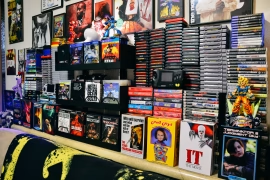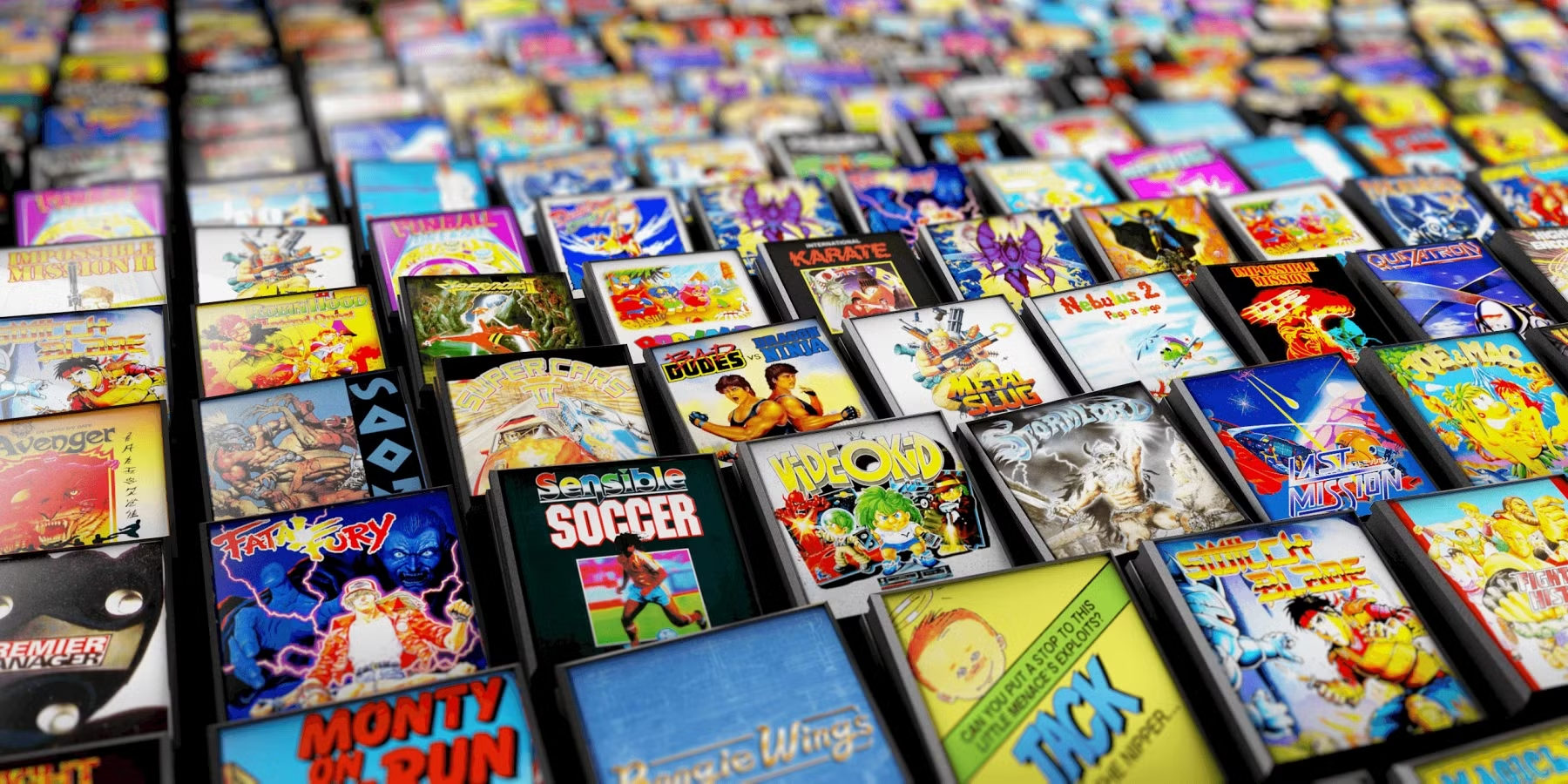
Few hobbies transform old cardboard, plastic cartridges, and faded instruction manuals into million-dollar artifacts quite like retro game collecting. What once sat forgotten in bedroom drawers or stacked beside dusty televisions now appears in high-profile auctions alongside luxury watches, fine art, and rare comic books. The explosion of retro gaming nostalgia created an entirely new world where certain games became cultural trophies worth astonishing amounts of money.
Collectors are no longer chasing these titles simply because they enjoy playing them. Scarcity, condition, historical importance, and nostalgia combined to push some retro games into financial territory that feels almost surreal. The Most Expensive Retro Games Ever Sold tell a fascinating story about how gaming evolved from childhood entertainment into serious collectible history. Behind each record-breaking sale sits a mix of rarity, timing, speculation, and emotional attachment that continues reshaping the retro market year after year.
Super Mario Bros. and the Million-Dollar Shockwave
Nothing changed the retro collecting landscape more dramatically than sealed copies of Super Mario Bros. for the Nintendo Entertainment System. The game became the face of gaming history itself, representing the moment home consoles exploded into mainstream culture during the 1980s. Collectors already valued early sealed copies highly, but prices eventually reached levels almost nobody expected.
One especially famous sealed copy sold for more than a million dollars, shocking even longtime collectors who had watched the market climb steadily for years. Condition played a massive role because unopened early-production copies barely survived childhood ownership intact. Most people tore the plastic wrap off immediately after purchase decades ago, making pristine examples incredibly scarce today.
Watching the gaming world react to that sale felt surreal. Conversations about retro collecting suddenly expanded far beyond niche forums and conventions into mainstream financial discussions. People who had never cared about old cartridges suddenly wondered if forgotten attic boxes might contain life-changing treasures. That moment permanently shifted public perception of retro games as collectible assets.
The Legend of Zelda and Early Production Variants
Sealed copies of The Legend of Zelda also climbed into astonishing territory because of specific production details tied to early print runs. Tiny packaging differences that casual buyers would never notice became critically important to collectors hunting the rarest versions possible. Variants tied to limited manufacturing windows gained enormous attention once grading companies entered the retro market aggressively.
The original gold cartridge already carried iconic status among Nintendo fans. Adding rarity through early-box variations and pristine factory seals pushed values dramatically higher. High-grade copies began appearing in major auction houses, attracting both collectors and investors eager to capitalize on retro gaming’s growing popularity.
I still find it fascinating how tiny details suddenly become enormously important once collectors chase perfection. Something as small as a specific seal type or packaging variation can change a game’s value by hundreds of thousands of dollars. That obsessive attention to detail feels uniquely tied to retro collecting culture.
Super Mario 64 and the Sealed Game Boom
The sale of a sealed Super Mario 64 shattered expectations even further when it crossed into record-breaking territory at auction. The game helped define the transition into 3D gaming during the 1990s, making it historically important beyond simple nostalgia. A near-perfect condition copy with an exceptionally high grading score turned into one of the most discussed gaming sales in history.
Collectors debated the sale endlessly afterward. Some viewed it as proof that gaming finally earned recognition alongside traditional collectibles, while others argued speculative investment culture distorted the hobby completely. Regardless of opinion, the sale pushed retro gaming deeper into mainstream financial conversations than ever before.
I remember how strange it felt seeing a Nintendo 64 game treated almost like a museum artifact. Millions of players grew up jumping through Peach’s castle, yet suddenly an unopened copy carried value comparable to luxury real estate in some places. That contrast perfectly captures how unpredictable retro collecting became.
Stadium Events and the Ultimate NES Rarity
Rare games do not always need million-dollar headlines to become legendary. Stadium Events for the NES remains one of the most infamous cartridges ever released because of its bizarre history. Nintendo recalled most copies shortly after release, leaving very few authentic North American cartridges in circulation.
Collectors spent decades hunting surviving copies, turning Stadium Events into one of the most recognized grails in retro gaming. Complete copies sold for staggering amounts long before sealed game auctions exploded publicly. Even loose cartridges command prices capable of funding entire retro collections by themselves.
Seeing a real copy in person feels oddly surreal because the cartridge itself looks so ordinary. Nothing about the label screams “legendary artifact.” That disconnect between appearance and value creates part of the fascination surrounding rare retro games. Hidden among plain plastic shells are pieces of gaming history worth more than luxury cars.
Nintendo World Championships Cartridges
Competitive gaming history produced some of the rarest cartridges ever created. The Nintendo World Championships generated special tournament cartridges designed for timed competitions featuring multiple NES games. Only limited numbers were ever produced, instantly making them collector targets decades later.
Gray cartridges already became incredibly valuable because contestants used them during the tournament itself. Gold cartridges reached even greater legendary status after Nintendo distributed them through magazine contests. Extremely small production numbers transformed these cartridges into some of the most desirable items in gaming history.
Collectors speak about Nintendo World Championships cartridges almost like sacred relics. Auctions involving authentic copies generate enormous attention because so few opportunities exist to acquire one. Their value comes not only from rarity but also from their connection to the early competitive gaming scene before esports became a global industry.
Air Raid and the Mysterious Blue Cartridge
Some retro games gained enormous value partly because of their strange physical appearance. Air Raid for the Atari 2600 stands out immediately because of its unusual blue T-shaped cartridge shell. That bizarre design alone made the game memorable among collectors long before prices skyrocketed.
Complete copies became extraordinarily valuable because original packaging rarely survived. The game itself never achieved major popularity during release, but scarcity transformed it into one of the rarest Atari collectibles in existence. Few titles from the Atari era carry the same combination of visual uniqueness and extreme rarity.
I have always loved how weird certain retro collectibles became accidentally. Air Raid almost feels like a forgotten artifact from an alternate gaming timeline. The strange cartridge design gives it personality far beyond its gameplay itself, which helps explain why collectors remain obsessed with tracking down surviving copies.
Neo Geo Games and Luxury-Level Prices
The Neo Geo existed in an entirely different economic world compared to most home consoles. SNK marketed the platform as a premium arcade experience for home players, and the pricing reflected that ambition immediately. Even during release, Neo Geo cartridges often cost hundreds of dollars.
Rare titles like Metal Slug and late-generation fighting games became incredibly valuable because production numbers remained relatively low. Serious collectors now pay astonishing amounts for pristine copies, especially complete boxed editions in excellent condition.
Holding original Neo Geo cartridges still feels impressive because of their massive physical size and heavy build quality. They almost resemble collector pieces by design. That premium presentation helped the platform develop an aura unlike anything else in retro gaming culture.
Pokémon Distribution Cartridges and Event Exclusives
Not all valuable retro gaming items were sold at retail stores. Certain Pokémon distribution cartridges became legendary because they existed only for promotional events. These cartridges allowed organizers to distribute rare Pokémon during live gatherings and competitions.
Very few survived outside official company control, making authentic examples extremely rare. Collectors value them not only because of scarcity but because they represent specific moments in Pokémon history tied directly to community events and promotional campaigns.
I have always found event-exclusive gaming items especially fascinating because they feel deeply tied to real-world memories. Unlike standard retail games, these cartridges existed for temporary experiences shared among fans during a specific moment in time. That emotional connection adds another layer of value beyond simple rarity alone.
EarthBound and the Rise of Cult Value
Some expensive retro games became valuable because public opinion changed dramatically over time. EarthBound struggled commercially during its original release on the Super Nintendo. Retailers discounted copies heavily because audiences failed to connect with its unusual humor and modern-day setting initially.
Years later, collectors and RPG fans reevaluated the game completely. EarthBound developed a massive cult following that transformed it into one of the most beloved RPGs in gaming history. Complete boxed copies exploded in value once demand skyrocketed and surviving packaging proved difficult to find.
The oversized original box remains one of my favorite pieces of retro packaging ever produced. Nintendo included strategy materials and quirky promotional content that gave the game enormous personality. That creativity feels increasingly rare in modern game releases, which partly explains why collectors treasure complete copies so intensely today.
Sealed Game Grading and Market Controversy
The rise of sealed game grading changed retro collecting permanently. Companies began assigning condition scores to unopened games, similar to comic book and sports card grading systems. High grades dramatically increased prices because collectors viewed them as guarantees of quality and rarity.
Critics argue grading culture transformed retro gaming too heavily toward investment speculation. Supporters believe grading preserves important gaming history while establishing standardized condition measurements. Both perspectives continue fueling debates throughout collector communities.
I understand both sides of the argument because grading undeniably changed the atmosphere surrounding retro collecting. Some collectors now treat games more like financial assets than entertainment history. At the same time, preservation and authentication became far more professional than during earlier decades of the hobby.
Why Collectors Spend So Much on Retro Games
The emotional side of retro collecting often gets overlooked during conversations about massive auction prices. Nostalgia drives enormous portions of the market because collectors reconnect with childhood memories through physical games and hardware. Certain titles represent specific moments, friendships, or life experiences impossible to replicate digitally.
Scarcity also creates psychological appeal naturally. Humans place greater value on objects perceived as difficult to obtain, especially once communities collectively recognize them as culturally important. Retro games combine nostalgia, scarcity, artistry, and historical significance into one unusually powerful collectible category.
Some collectors genuinely view these games as museum-worthy artifacts preserving gaming’s evolution across decades. Looking at early Nintendo, Sega, Atari, and SNK releases feels like examining the foundation of an entertainment industry that eventually became larger than film and music combined. That historical perspective helps explain why certain buyers willingly spend extraordinary amounts.
The Future of High-End Retro Collecting
Retro gaming continues evolving as younger generations enter the hobby alongside longtime collectors. Prices for certain grail titles may fluctuate over time, but historically important games will likely remain highly desirable because gaming itself continues growing culturally and financially worldwide.
Digital storefronts and modern re-releases also increase appreciation for original physical editions. Many collectors value authentic cartridges precisely because they represent tangible connections to gaming history in an increasingly digital world. Physical ownership feels more meaningful once entertainment becomes dominated by downloads and subscriptions.
I still believe the emotional connection matters more than auction headlines in the long run. Million-dollar sales generate attention, but most collectors remain passionate because retro games remind them why they fell in love with gaming in the first place. That emotional foundation keeps the hobby alive regardless of market trends.
Final Thoughts
The Most Expensive Retro Games Ever Sold represent far more than shocking price tags or investment speculation. They reflect decades of gaming history, nostalgia, scarcity, and cultural evolution wrapped inside cartridges and cardboard packaging once considered disposable toys. Few industries transformed childhood entertainment into serious collectibles quite as dramatically as retro gaming.
Some collectors chase these legendary titles for prestige, while others simply admire them from afar as pieces of gaming mythology. Either way, these record-breaking sales permanently changed how the world views retro games. Old cartridges sitting on dusty shelves are no longer dismissed as outdated technology. They became artifacts tied to one of the most influential entertainment mediums ever created.
Retro collecting will continue changing as markets shift and new generations rediscover classic games. Yet the fascination surrounding rare and expensive titles will probably never disappear completely. Hidden inside those cartridges are stories, memories, and moments that still matter decades after the consoles themselves faded from store shelves.