Quarter circles, dragon punches, rapid-fire button taps, and desperate last-second combos defined entire afternoons inside smoky arcades long before online matchmaking existed. Crowds gathered around glowing cabinets while players fought for dominance in games that demanded precision, rhythm, and raw muscle memory. Home consoles eventually brought those experiences into living rooms, but standard controllers rarely captured the feeling of standing in front of an actual arcade machine.
Arcade sticks changed that completely. The weight of the joystick, the sharp snap of arcade buttons, and the physical movement involved in executing combos all recreated something closer to the authentic fighting game experience many players remembered from arcades during the 1990s. After years spent testing retro fighting games across old arcade cabinets, console ports, modern reproductions, and custom-built setups, I realized the best arcade sticks for retro fighting games are not simply accessories. They become extensions of the player’s instincts, timing, and competitive identity.
Arcade Sticks Feel Different Immediately
A standard controller asks players to rely mostly on thumbs and finger taps. Arcade sticks involve wrists, palms, forearms, and a much larger range of physical movement that changes how fighting games feel at a fundamental level.
That physicality matters enormously in retro fighters because older games often demand rapid directional inputs and extremely precise timing. Pulling off difficult motions on an arcade stick feels smoother and more deliberate once muscle memory develops properly.
The first serious session I spent with an arcade stick completely changed how I viewed fighting games. Suddenly combos that felt awkward on standard controllers began flowing naturally, and classic arcade fighters finally carried the same energy I remembered from crowded arcade rooms years earlier.
Sanwa Parts Became The Gold Standard
Among fighting game enthusiasts, few names carry more respect than Sanwa Denshi. Their joysticks and arcade buttons became famous for responsiveness, durability, and smooth performance across competitive fighting games.
Sanwa parts appear in many premium arcade sticks because they replicate authentic Japanese arcade cabinet hardware closely. The joystick tension, button sensitivity, and overall build quality all contribute heavily to precise gameplay.
Switching from cheaper arcade components to genuine Sanwa hardware felt immediately noticeable during fast-paced retro fighters. Inputs registered more cleanly, movements felt smoother, and repeated combo execution became significantly more consistent during long sessions.
Hori Arcade Sticks Earned Long-Term Respect
HORI became one of the most trusted arcade stick manufacturers because their hardware balanced affordability, quality, and accessibility extremely well. Many retro fighting game fans started their arcade stick journey through Hori products.
The company consistently produced sticks comfortable enough for serious gameplay without requiring expensive custom modifications immediately. Their layouts also remained friendly for players transitioning from standard controllers into arcade hardware for the first time.
One older Hori arcade stick stayed part of my retro setup for years because it simply refused to fail despite constant use. Fighting games can punish hardware brutally during intense sessions, and durable arcade sticks quickly earn lasting appreciation from regular players.
Sega Arcade Sticks Still Hold Nostalgic Power
The Sega Saturn produced one of the greatest controller libraries in fighting game history, and official Sega arcade sticks became legendary among retro enthusiasts because of their quality and authentic feel.
Sega understood arcade culture deeply during the 1990s, and that experience translated beautifully into their home accessories. Many Saturn arcade sticks still feel excellent decades later despite their age.
Using an original Sega arcade stick during classic Capcom and SNK fighters instantly transports me back into the era those games originally dominated. The hardware itself carries personality in a way many modern accessories struggle to replicate.
Button Layout Shapes Gameplay Comfort
Arcade stick layouts vary significantly depending on regional arcade traditions and intended game genres. Japanese Vewlix layouts, American-style configurations, and Sega-inspired designs all affect comfort differently during gameplay.
Retro fighting games especially benefit from thoughtful button placement because older titles frequently require rapid multi-button combinations and repeated execution over long sessions. Poor layouts quickly create hand fatigue and inconsistency.
I spent years experimenting with different button arrangements before realizing how deeply layout preference affects performance and comfort. Small spacing differences completely changed how naturally certain combos flowed during retro fighters.
Weight Matters More Than People Expect
Cheap arcade sticks often slide across tables or laps during intense gameplay because they lack proper weight and stability. Retro fighting games become frustrating quickly when hardware shifts constantly beneath rapid inputs.
Heavier arcade sticks remain stable during aggressive movement and repeated button presses. Solid construction also contributes psychologically because stable hardware feels more trustworthy during competitive sessions.
One lightweight arcade stick frustrated me so badly during a difficult tournament session that I stopped using it entirely afterward. Stability may sound like a minor detail, but retro fighters expose weak hardware instantly once gameplay intensifies.
Custom Arcade Sticks Became A Huge Part Of The Hobby
Many fighting game enthusiasts eventually move beyond prebuilt arcade sticks entirely. Custom builds allow players to personalize artwork, buttons, joystick tension, layouts, and internal hardware exactly to their preferences.
Custom arcade sticks also become deeply personal because they reflect years of gaming habits and aesthetic tastes. Some players build setups specifically around certain franchises or arcade traditions from childhood memories.
I visited a retro fighting game event years ago where nearly every serious player carried a completely unique custom arcade stick. Some featured hand-painted artwork, others carried rare parts imported from Japan, and a few looked like miniature museum pieces celebrating arcade history itself.
Clicky Buttons Create Authentic Feedback
Arcade buttons produce a tactile response standard controllers simply cannot replicate. The sharp click and immediate activation contribute heavily to the rhythm of retro fighting games.
That feedback helps players maintain timing during fast combos because fingers physically feel each successful input. Fighting games become strangely musical once arcade buttons enter the experience properly.
Several retro arcade sessions completely changed once I upgraded from soft buttons to more responsive arcade hardware. Suddenly combos felt tighter, faster, and dramatically more satisfying during difficult sequences.
Neo Geo Fans Still Love Large Arcade Layouts
The Neo Geo AES represented arcade gaming at home more aggressively than almost any console of its era. Its fighting games and arcade conversions encouraged larger, more spacious arcade stick designs inspired directly by commercial cabinets.
Neo Geo-style arcade sticks emphasize broad hand placement and sturdy construction. They often feel larger and heavier compared to more compact modern designs, but many retro players still adore that oversized arcade feel.
Playing classic SNK fighters on a large arcade stick feels wonderfully excessive in the best possible way. The hardware itself contributes to the dramatic intensity those games became famous for throughout arcades during the 1990s.
Modding Arcade Sticks Extends Their Lifespan
Arcade sticks endure enormous physical stress over time. Buttons wear down, joystick springs loosen, and internal switches eventually degrade after years of repeated gameplay.
Fortunately, many quality arcade sticks support easy modification and repair. Replacing buttons, installing new joysticks, and adjusting tension systems help preserve hardware while tailoring performance more precisely to individual preferences.
One aging arcade stick stayed part of my collection for nearly a decade simply because it remained endlessly repairable. Swapping components gradually kept the hardware feeling fresh instead of disposable.
Wireless Arcade Sticks Improved Dramatically
Wireless arcade hardware once felt unreliable because input lag could destroy fighting game precision instantly. Modern wireless arcade sticks improved enough that many players now use them comfortably during serious retro gaming sessions.
Low-latency wireless technology finally reached the point where responsiveness feels extremely close to wired setups. The freedom from cable clutter also benefits multiplayer retro setups significantly.
I resisted wireless arcade sticks for years because older models performed terribly during competitive games. Once modern low-latency versions appeared, though, the convenience became difficult to ignore, especially in crowded gaming spaces.
Fight Sticks Preserve Arcade Culture
Arcade sticks represent more than control schemes alone. They preserve part of gaming culture tied directly to crowded arcades, local rivalries, and competitive communities built around physical spaces instead of online matchmaking.
Retro fighting games feel deeply connected to that culture because many originated inside arcades before reaching home consoles later. Arcade sticks help recreate that environment emotionally, even inside modern gaming rooms.
Late-night sessions with friends gathered around arcade sticks still capture pieces of that old atmosphere. Trash talk, tense matches, and crowds leaning closer during close rounds all feel strangely timeless once arcade hardware enters the room.
Cheap Arcade Sticks Usually Disappoint
Budget arcade sticks flood online marketplaces constantly, promising arcade-quality performance at suspiciously low prices. Most suffer from weak buttons, unreliable joysticks, and flimsy construction that fails quickly under serious use.
Retro fighters expose weak hardware immediately because precise motions and repeated inputs demand consistency constantly. Poor components create frustration faster than almost any other gaming genre.
I wasted money on several bargain arcade sticks before realizing good hardware genuinely matters. Once higher-quality sticks entered my setup, the difference in reliability and gameplay feel became impossible to ignore.
Arcade Sticks Change How Games Feel Emotionally
Retro fighting games already carry strong nostalgia for many players, but arcade sticks amplify that emotional connection dramatically. The physical sensation of gripping a joystick and hearing arcade buttons click recreates memories tied directly to childhood gaming experiences.
Certain games almost feel incomplete without arcade hardware. Street Fighter, King of Fighters, Samurai Shodown, and countless other classics suddenly regain their original intensity once played through proper arcade controls.
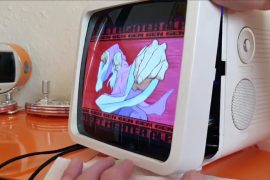
One evening spent replaying old Capcom fighters on an arcade stick beside a CRT television felt less like gaming and more like stepping backward through time. The room sounded different, the controls felt alive, and the entire atmosphere shifted into something deeply nostalgic.
Final Thoughts
Retro fighting games continue thriving because their mechanics remain timeless, competitive, and endlessly rewarding to master. Arcade sticks strengthen that experience by restoring the physical rhythm and tactile feedback that originally defined arcade culture itself.
The best arcade sticks for retro fighting games combine responsive parts, durable construction, stable design, and authentic arcade feel into hardware capable of handling years of demanding gameplay. Whether built around classic Sega layouts, Sanwa components, or fully custom designs, great arcade sticks become deeply personal pieces of gaming equipment over time.
Late-night fighting game sessions feel completely different once quality arcade hardware enters the setup. The clicks become louder, movements feel sharper, and matches carry an intensity standard controllers rarely recreate fully. Long after the consoles power down and the room falls quiet, the arcade stick still sits there on the table like a reminder of why retro fighting games never truly lost their magic.