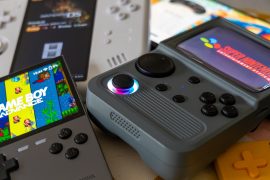
Dust-covered cartridges, flickering CRT televisions, and the unmistakable click of plastic buttons still hold a strange kind of magic. Modern gaming hardware may dominate store shelves, but retro gaming continues to thrive because older games were built around precision, simplicity, and pure mechanical satisfaction. None of that feels right without a controller that captures the spirit of the era while still offering comfort for long sessions.
A weak controller can ruin even the greatest classic game. Poor D-pads destroy platformers, stiff shoulder buttons make racing games frustrating, and cheap analog sticks turn legendary adventures into awkward experiences. After years of collecting consoles, restoring hardware, and testing third-party accessories across countless late-night gaming sessions, I have learned that the controller matters just as much as the console itself. The best controllers for retro gaming enthusiasts are not always the most expensive ones, but they consistently deliver accuracy, reliability, and nostalgia without compromise.
Why Controllers Matter More in Retro Gaming
Modern games often compensate for imprecise controls with aim assist, generous checkpoints, and forgiving movement systems. Retro games rarely offered that luxury. Developers expected players to master exact timing, clean directional inputs, and muscle memory that could only come from responsive hardware. A single missed jump in a 16-bit platformer could send a player back several stages, which is why controller quality became deeply tied to the experience itself.
I noticed this difference immediately while replaying old arcade titles on modern generic USB controllers. Inputs felt delayed, diagonal movements registered inconsistently, and fighting game combos became unreliable. The games themselves had not changed, but the hardware between my hands and the screen altered everything. That realization pushed me toward searching for controllers specifically designed for retro enthusiasts rather than casual plug-and-play accessories.
Comfort also becomes far more important during retro gaming marathons than many people expect. Older games often demanded repetition and patience. Grinding through difficult shooters, replaying stages repeatedly, or practicing difficult combos can become exhausting with poor ergonomics. A quality retro controller balances nostalgia with practical comfort so that long gaming sessions remain enjoyable instead of frustrating.
8BitDo Pro 2 Delivers the Best All-Around Experience
Few companies have earned as much respect in the retro gaming community as 8BitDo. Their controllers consistently blend vintage aesthetics with modern functionality, and the 8BitDo Pro 2 stands out as one of the finest examples of that philosophy. It feels familiar without becoming trapped in the past.
The D-pad deserves special praise because it handles retro platformers beautifully. Games like classic side-scrollers, puzzle titles, and fighting games demand precision, and the Pro 2 delivers crisp directional accuracy without the mushiness found in many modern controllers. I spent several weekends revisiting old 2D action games with this controller and immediately noticed how natural movement felt compared to standard console pads.
Wireless functionality adds another layer of convenience that older hardware never provided. Retro gamers often connect systems through adapters, emulators, or mini consoles, and the Pro 2 works across multiple devices with very little setup. Battery life remains impressive even during extended gaming sessions, and the controller itself feels sturdy enough to survive years of regular use. Among the best controllers for retro gaming enthusiasts, this one consistently feels like the safest recommendation for almost any setup.
The Original Super Nintendo Controller Still Feels Brilliant
Some hardware becomes timeless because its design solved a problem so perfectly that little improvement was needed afterward. The original Super Nintendo Entertainment System Controller remains one of the greatest examples of controller design ever created. Decades later, it still feels responsive, balanced, and remarkably comfortable.
Nintendo achieved something extraordinary with the D-pad placement and button layout. Fast-paced platformers, RPGs, and fighting games all felt intuitive because the controller never forced awkward hand positioning. The rounded edges fit naturally in the hands, while the face buttons maintained satisfying tactile feedback. Even after hours of gameplay, hand fatigue rarely became an issue.
Authentic original hardware still carries a unique charm that modern recreations struggle to duplicate completely. The slight texture of worn plastic, the softened buttons from years of use, and the unmistakable click of shoulder triggers create an emotional connection to gaming history itself. Retro collectors often search for pristine consoles while ignoring the importance of authentic controllers, but nothing replicates the feeling of original SNES hardware perfectly.
Sega Genesis Six-Button Controllers Shine for Arcade Fans
The Sega Genesis era produced some of the most intense arcade-style games ever released for home consoles. Fighting games, beat-em-ups, and fast action titles thrived on Sega hardware, and the six-button Genesis controller became essential for serious players who wanted precision and speed.
The controller’s compact design immediately stands out. It feels smaller and lighter than many competing pads, allowing quick thumb movement between buttons. Fighting games especially benefit from this layout because complex combinations become easier to execute without stretching fingers awkwardly across the controller. During long sessions with arcade fighters, I consistently found the Sega six-button pad faster and more responsive than bulkier alternatives.
Its D-pad also deserves recognition for handling rolling motions exceptionally well. Quarter-circle inputs, fast directional changes, and diagonal movement feel smooth in a way that many modern controllers struggle to replicate. Retro gaming enthusiasts who spend most of their time with arcade titles often discover that this controller remains one of the strongest options available decades after its release.
Arcade Sticks Bring Retro Games to Life
Many classic games originally lived in noisy arcades long before they reached home consoles. Because of that history, certain genres simply feel better with an arcade stick instead of a traditional controller. Fighting games, shoot-em-ups, and old-school beat-em-ups gain an entirely different rhythm once played with authentic arcade controls.
High-quality arcade sticks recreate the resistance and tactile sensation of arcade cabinets remarkably well. The larger joystick allows more deliberate directional movement, while oversized buttons encourage rapid tapping without discomfort. Playing retro fighters on an arcade stick instantly transforms the experience from casual nostalgia into something intensely physical and competitive.
I spent months dismissing arcade sticks as unnecessary until I tried replaying classic fighting games with one. The difference became obvious within minutes. Timing improved, combos felt more natural, and the experience carried the same energy found in crowded arcades decades ago. Retro gaming enthusiasts who enjoy competitive classics often discover that arcade sticks become addictive once mastered.
Retro-Bit Controllers Respect Gaming History
Retro-Bit built its reputation by creating officially licensed retro controllers that preserve the look and feel of original hardware. Unlike many generic replicas flooding online marketplaces, Retro-Bit products usually demonstrate careful attention to button placement, build quality, and authentic styling.
Their Sega-inspired controllers stand out particularly well because they retain the spirit of the original hardware while quietly improving durability and connectivity. Wireless support eliminates the inconvenience of short cables without sacrificing responsiveness, and modern USB compatibility makes them useful for emulation setups alongside original consoles.
Budget-conscious collectors often struggle with deciding between aging original controllers and cheap reproductions. Retro-Bit occupies a comfortable middle ground by offering affordable hardware that still respects classic design principles. For players building retro setups without spending collector-level money, these controllers often provide excellent value.
Nintendo Switch Online Controllers Capture Nostalgia Perfectly
Nintendo surprised many retro fans by releasing replica classic controllers specifically for the Nintendo Switch online retro libraries. These controllers replicate the shape, button layout, and overall feel of original Nintendo hardware far more faithfully than most third-party alternatives.
The appeal goes beyond simple nostalgia. Playing classic games with their intended control layouts changes the pacing and rhythm dramatically. Old platformers designed around the SNES controller suddenly feel balanced again, while Nintendo 64 titles become far easier to appreciate with proper analog stick placement and button spacing.
The Nintendo 64 controller replica deserves special mention because recreating that unusual design could easily have gone wrong. Instead, Nintendo managed to preserve the strange charm of the original while improving stick durability. Retro gaming enthusiasts who grew up during that generation often experience an immediate flood of memories after holding one again.
Wired Controllers Still Have Advantages
Wireless technology has improved enormously over the years, but wired controllers continue to offer several advantages that retro players appreciate. Input latency may seem minor on paper, yet older games built around split-second reactions can expose even tiny delays surprisingly quickly.
Rhythm games, competitive fighters, and difficult action titles often feel slightly sharper on wired hardware. The difference may only exist in milliseconds, but experienced players notice it almost immediately. During particularly difficult retro platformers, I repeatedly performed better with wired controllers compared to wireless alternatives.
Reliability also matters. Batteries die unexpectedly, wireless interference occasionally causes problems, and syncing issues can interrupt gaming sessions. Wired controllers eliminate those concerns entirely. Many retro enthusiasts eventually keep both wired and wireless options available depending on the type of game they plan to play.
Build Quality Separates Great Controllers From Disposable Ones
Retro gaming communities have developed strong opinions about controller quality because so many low-cost replicas flood the market. Cheap plastic shells, stiff buttons, unreliable analog sticks, and weak D-pads quickly reveal themselves during gameplay. Saving money upfront often leads to frustration later.
Premium retro controllers tend to justify their price through durability alone. Strong internal components, reinforced cables, responsive buttons, and quality materials allow them to survive years of heavy use. That becomes especially important for enthusiasts who regularly revisit demanding games requiring constant rapid inputs.
I learned this lesson after burning through several bargain controllers within a single year. Buttons became loose, triggers stopped responding properly, and directional inputs started failing during critical moments. Investing in better hardware eventually cost less overall because the controllers lasted significantly longer and performed consistently from the beginning.
The Rise of Custom Retro Controllers
Customization has become one of the most exciting developments in retro gaming culture. Enthusiasts now modify controllers with upgraded buttons, improved D-pads, custom shells, and even entirely rebuilt internal hardware. Some collectors transform ordinary controllers into stunning pieces of gaming art while improving performance at the same time.
Mechanical button modifications have grown especially popular among competitive retro players. These upgrades create faster response times and sharper tactile feedback that can improve gameplay noticeably during difficult titles. Some custom builders even recreate rare controller variations that disappeared decades ago.
A customized controller also creates a stronger personal connection to gaming hardware. Owning a controller tailored specifically for certain genres or consoles adds personality to a collection that factory-produced accessories sometimes lack. Retro gaming has always carried a strong community-driven spirit, and customization reflects that passion beautifully.
Final Thoughts
Retro gaming thrives because older games still deliver experiences that modern titles often struggle to replicate. Tight gameplay, memorable art direction, and rewarding difficulty continue attracting players decades after release. Yet those experiences depend heavily on the controller sitting in a player’s hands.
The best controllers for retro gaming enthusiasts succeed because they preserve the responsiveness and personality that made classic games special in the first place. Some players prefer authentic original hardware, while others embrace modern wireless conveniences or arcade-style setups. No single controller works perfectly for everyone, but the right one can make old games feel alive again in ways that cheap alternatives never manage.
Hours disappear quickly once a great retro controller clicks into place. Platformers become sharper, fighters feel smoother, and familiar soundtracks suddenly carry the same excitement they did years ago. That connection between player and hardware remains one of the defining joys of retro gaming, and it explains why enthusiasts continue searching for the perfect controller long after the consoles themselves stopped production.