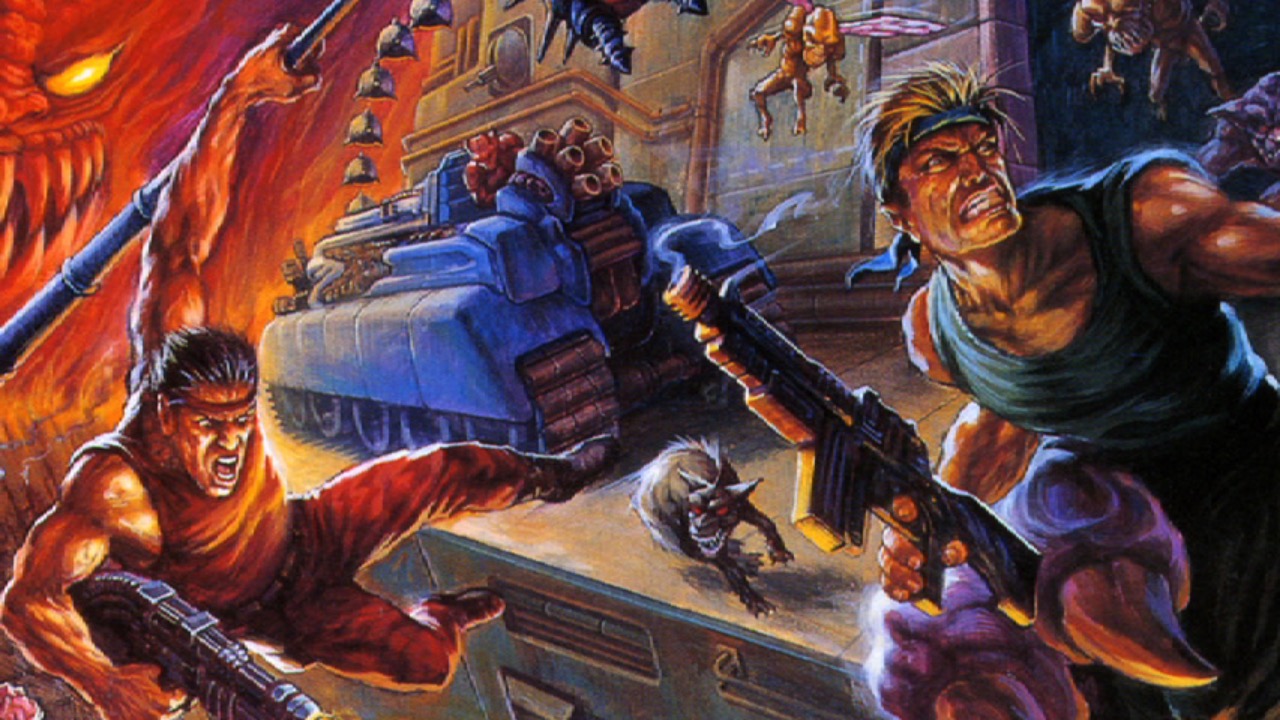
Late-night grinding sessions, handwritten maps, secret party members, and emotional storylines shaped some of the strongest gaming memories of the 1980s and 1990s. Retro RPGs demanded patience in ways modern games rarely attempt anymore. Players explored enormous fantasy worlds without quest markers, discovered hidden mechanics through experimentation, and spent dozens of hours building connections with characters who somehow felt real despite limited graphics.
Those adventures mattered because they expanded what games could become emotionally and creatively. Role-playing games transformed consoles and computers into storytelling machines capable of delivering heartbreak, wonder, suspense, and triumph on a scale many players had never experienced before. Retro RPGs that defined a generation still influence modern gaming because they established the foundation for narrative-driven experiences that millions continue loving today.
Final Fantasy VII Changed Gaming Forever
Final Fantasy VII became far more than a successful RPG. It transformed the perception of video games entirely by delivering cinematic storytelling, emotional character arcs, and massive world-building on a scale that felt revolutionary during the late 1990s.
Midgar alone created a sense of atmosphere few games had achieved previously. Industrial environments, environmental themes, and oppressive corporate control gave the world unusual depth for its era. I still remember how massive the adventure felt once the game finally expanded beyond the city into the wider world map.
Its emotional impact also remains legendary. Certain story moments shocked players globally and proved games could create genuine emotional attachment comparable to film or literature. Few RPGs changed gaming culture as dramatically as Final Fantasy VII.
Chrono Trigger Perfected the SNES RPG Formula
Chrono Trigger delivered one of the most polished RPG experiences ever created. The pacing feels remarkably efficient because the game wastes almost no time with unnecessary filler or repetitive design.
Time travel mechanics constantly refresh the adventure. Visiting different eras changes environments, characters, and story outcomes in fascinating ways that encourage exploration and experimentation. I always admired how naturally the game connected its timeline without becoming confusing.
Combat also remains incredibly satisfying because enemies appear directly on maps instead of interrupting exploration constantly with random encounters. Combined attacks between party members add strategic depth while making battles visually exciting throughout the journey.
EarthBound Became a Cult Classic Through Personality
EarthBound stood apart immediately because it abandoned traditional fantasy settings in favor of suburban neighborhoods, modern cities, and bizarre humor. That unusual direction gave the game a personality unlike anything else during the 16-bit era.
Its dialogue remains one of the strongest aspects of the experience. Strange NPC conversations, absurd enemy designs, and surreal situations constantly create memorable moments throughout the adventure. I still laugh at certain encounters because the game embraces weirdness with complete confidence.
Despite the humor, EarthBound also explores loneliness, fear, and emotional growth surprisingly well. The balance between lighthearted charm and darker emotional themes helped the game develop an intensely loyal fanbase over time.
Dragon Quest III Defined Console RPG Design
Dragon Quest III shaped countless RPG mechanics that later became genre standards. Character classes, open exploration, party customization, and world-spanning adventure all appeared here in forms that influenced decades of future game development.
Its sense of exploration felt enormous during the late 1980s. Sailing across oceans, discovering hidden towns, and uncovering secrets created a powerful feeling of adventure despite hardware limitations.
The game’s cultural impact in Japan became legendary. Dragon Quest releases turned into national events because players connected so deeply with the series and its fantasy worlds. Few RPG franchises influenced an entire generation of players as strongly.
Pokémon Red and Blue Created a Global Phenomenon
Pokémon Red and Blue transformed portable gaming permanently. Capturing creatures, battling friends, and trading through link cables created social experiences unlike anything most players had seen before.
The sense of discovery became addictive quickly. Hidden Pokémon, rare encounters, and evolving teams encouraged constant experimentation. I remember playground conversations becoming strategy sessions where players traded rumors about secret locations and legendary monsters.
Its accessibility also helped the series explode globally. The mechanics felt approachable for younger audiences while still offering enough depth to keep dedicated players invested for hundreds of hours.
Secret of Mana Made Cooperative RPG Gaming Magical
Secret of Mana brought cooperative gameplay into RPG adventures in a way that felt groundbreaking during the SNES era. Friends could join instantly, transforming exploration and combat into shared experiences.
The real-time combat system kept battles energetic compared to slower turn-based RPGs. Charging attacks, casting spells, and coordinating teamwork created moments of chaos and excitement throughout the journey.
Its visual presentation also remains beautiful decades later. Colorful environments, expressive pixel art, and atmospheric music combine into one of the most visually charming RPG worlds of the 16-bit generation.
Baldur’s Gate Elevated Computer RPG Storytelling
Baldur’s Gate revived computer RPGs during a period when the genre desperately needed fresh energy. Deep character writing, tactical combat, and expansive world-building created an experience that felt incredibly ambitious.
Party interactions became one of the game’s greatest strengths. Companions argue, develop relationships, and react dynamically to player decisions, making the adventure feel personal rather than scripted.
I always appreciated how much freedom the game offered. Side quests, moral choices, and exploration opportunities allowed players to shape their journey naturally instead of following rigid progression paths.
Phantasy Star IV Delivered Sci-Fi RPG Excellence
Phantasy Star IV combined science fiction and fantasy elements beautifully while delivering one of the strongest narratives on the Sega Genesis. Its manga-inspired storytelling sequences gave conversations dramatic visual flair unusual for the era.
Combat moves quickly while still rewarding strategy. Combination attacks between characters add satisfying depth without overwhelming players with complexity.
The game’s soundtrack and atmosphere also deserve recognition. Futuristic cities, ancient ruins, and alien environments create a sense of scale that still feels impressive today.
Suikoden II Turned War Into Personal Tragedy
Suikoden II explored friendship, betrayal, and political conflict with emotional maturity rare for console RPGs during the late 1990s. Recruiting 108 characters creates a massive sense of scale while still maintaining strong emotional focus.
Its world feels alive because political events constantly reshape locations and relationships. Wars impact civilians directly, alliances shift unexpectedly, and personal conflicts drive major story developments.
I still consider the relationship between the main characters one of gaming’s strongest emotional narratives. Few RPGs portray loyalty and betrayal with the same level of emotional weight.
Xenogears Reached for Philosophical Storytelling
Xenogears attempted narrative themes far more ambitious than most RPGs of its era. Religion, psychology, identity, and political control all shape a story that feels unusually dense and thought-provoking.
Its mech combat system adds unique variety to progression. Characters fight both on foot and inside giant machines, which changes battle mechanics significantly throughout the adventure.
The storytelling occasionally becomes overwhelming because of its complexity, but that ambition remains admirable. Xenogears feels like a game unafraid to tackle difficult ideas even when technical limitations restricted execution.
Lunar: Silver Star Story Complete Captured Classic Adventure Spirit
Lunar: Silver Star Story Complete embraced traditional fantasy storytelling while delivering enormous emotional warmth and charm. Character relationships feel sincere, which helps the adventure maintain emotional investment from beginning to end.
Animated cutscenes and voice acting enhanced immersion dramatically during the PlayStation era. Those additions helped RPG storytelling feel more cinematic without losing its emotional intimacy.
Its soundtrack also plays a huge role in the atmosphere. Emotional melodies and adventurous themes reinforce the sense of optimism and wonder that defines the entire experience.
Retro RPGs That Defined a Generation Changed Storytelling in Games
Before RPGs became mainstream successes, many games focused primarily on high scores and arcade-style action. Retro RPGs expanded gaming’s potential by emphasizing character development, exploration, and long-form storytelling instead.
Players became emotionally attached to fictional worlds in ways previously uncommon within gaming culture. Saving kingdoms, building party relationships, and making difficult decisions created experiences that felt personal rather than disposable.
Many retro RPGs also encouraged imagination through limited technology. Pixel art, text dialogue, and simple animations required players to mentally expand the worlds themselves, which often strengthened emotional immersion rather than weakening it.
Exploration Once Felt Truly Mysterious
Modern RPGs frequently guide players through quest markers, tutorials, and detailed maps. Retro RPGs often expected players to experiment, talk with NPCs carefully, and uncover secrets independently.
That design philosophy created stronger feelings of discovery. Hidden summons, secret dungeons, and optional characters felt genuinely rewarding because players stumbled upon them naturally rather than following obvious instructions.
I still remember sketching maps, writing notes, and discussing secrets with friends because many retro RPGs demanded curiosity and patience. That sense of mystery made exploration feel far more meaningful.
Music Became Part of the Emotional Experience
Retro RPG soundtracks remain legendary because composers achieved extraordinary emotional impact despite hardware limitations. Memorable melodies often carried entire emotional scenes through pure atmosphere alone.
Town themes created comfort, battle music generated adrenaline, and emotional piano tracks reinforced heartbreaking story moments. Many players still recognize these soundtracks instantly decades later because the music became inseparable from the adventures themselves.
The best retro RPGs that defined a generation understood how powerfully music could shape emotional memory. Certain songs still transport me immediately back into specific scenes, locations, or moments from those games.
Why Retro RPGs Continue Influencing Modern Games
Modern RPG developers constantly borrow ideas established during the retro era. Party-based storytelling, morality systems, open exploration, and emotional narratives all trace roots back to these foundational classics.
Indie developers especially continue embracing retro RPG aesthetics because pixel art and turn-based combat remain timeless when paired with strong writing and memorable worlds.
Retro RPGs that defined a generation also proved players wanted more from games emotionally. They demonstrated gaming could deliver epic storytelling experiences capable of standing beside books, films, and television in cultural importance.
Final Thoughts
Retro RPGs changed gaming forever by transforming consoles and computers into gateways for massive adventures filled with unforgettable characters, emotional storytelling, and imaginative worlds. Players invested hundreds of hours exploring these universes because the experiences felt meaningful in ways few other genres could match.
Retro RPGs that defined a generation still matter because their influence reaches far beyond nostalgia. Many modern storytelling techniques, progression systems, and world-building ideas originated from these classics long before gaming became the dominant entertainment industry it is today.
Decades later, players continue revisiting these adventures because strong storytelling, memorable music, and emotional connection never become outdated. Long after cartridges and discs disappeared from store shelves, those pixelated heroes, sprawling worlds, and unforgettable journeys still define what role-playing games can achieve at their very best.