Crowded couches, tangled controller wires, and shouted instructions across dimly lit living rooms once defined multiplayer gaming at its best. Long before online matchmaking and voice chat became standard, cooperative gaming meant sitting beside friends and surviving chaotic adventures together in real time. Victory felt more satisfying because reactions were immediate, arguments became hilarious memories, and teamwork developed naturally through shared frustration and excitement.
Retro co-op games carried a different kind of energy compared to modern multiplayer titles. Players often relied on communication, timing, and patience instead of endless tutorials or complicated progression systems. The best co-op retro games to play with friends still feel timeless because they focused on pure interaction and unforgettable shared experiences rather than flashy online features.
Contra Turned Cooperation Into Survival
Contra became legendary partly because surviving alone already felt difficult, while coordinating with another player created complete chaos in the best possible way.
Enemy projectiles fill the screen constantly, forcing both players to communicate carefully while avoiding accidental mistakes that leave teammates exposed. One person panicking often triggers disaster immediately, especially during intense boss encounters.
The famous Konami Code also became part of the shared experience. Friends treated those extra lives like sacred resources because losing them carelessly could destroy an entire run within minutes. I still remember how satisfying it felt surviving difficult stages together after dozens of failed attempts.
Teenage Mutant Ninja Turtles IV Perfected Arcade Fun
Teenage Mutant Ninja Turtles IV: Turtles in Time captured the spirit of arcade multiplayer perfectly through fast-paced action and nonstop energy.
Each turtle feels slightly different, which encouraged players to develop favorites during repeated sessions. Throwing Foot Soldiers across the screen while friends battled nearby created chaotic fun that never seemed to lose momentum.
The time-traveling stages also kept the adventure visually exciting from beginning to end. Pirate ships, futuristic cities, and prehistoric battlefields constantly refreshed the experience while encouraging teamwork naturally.
Streets of Rage 2 Defined Cooperative Beat ’Em Ups
Streets of Rage 2 remains one of the greatest co-op experiences ever released because of its perfect balance between challenge, atmosphere, and teamwork.
Combat feels satisfying thanks to responsive controls and impactful attacks. Coordinating crowd control with another player becomes essential once enemies overwhelm the screen during later stages.
Its soundtrack also amplifies the cooperative atmosphere beautifully. Heavy electronic music transforms ordinary street fights into adrenaline-filled moments that still feel exciting decades later. Few retro games make teamwork feel this stylish.
Secret of Mana Made RPG Cooperation Magical
Secret of Mana brought cooperative gameplay into the RPG genre in a way that felt revolutionary during the Super Nintendo era.
Friends could join seamlessly while exploring fantasy environments, fighting monsters, and casting spells together. That structure created adventures feeling far more personal than typical single-player RPG experiences.
I always loved how naturally players developed roles during battles. One person focused on healing while another attacked aggressively, which made cooperation feel meaningful rather than superficial.
GoldenEye 007 Created Endless Multiplayer Memories
GoldenEye 007 technically focused more on competitive multiplayer, yet cooperative campaign mode delivered unforgettable shared experiences on the Nintendo 64.
Completing missions together required coordination because objectives often demanded stealth, accuracy, and communication. Friendly fire incidents and accidental alarms frequently turned organized strategies into complete disasters.
Split-screen multiplayer also transformed ordinary gatherings into hours-long tournaments filled with arguments about screen peeking and unfair tactics. Few retro games created social memories as consistently as GoldenEye.
Double Dragon Started the Beat ’Em Up Craze
Double Dragon helped establish cooperative side-scrolling combat as a major arcade phenomenon during the late 1980s.
Battling street gangs together felt exciting partly because teamwork remained essential. Players constantly rescued each other from overwhelming enemy groups while coordinating attacks instinctively.
The accidental friendly fire also created hilarious tension. Punching teammates by mistake often caused arguments immediately, but somehow those chaotic moments strengthened the overall fun instead of ruining it.
Gauntlet Encouraged Cooperative Chaos
Gauntlet became one of arcade gaming’s greatest multiplayer experiences because survival depended heavily on teamwork and resource management.
Different character classes encouraged strategic cooperation naturally. Warriors handled close combat while wizards attacked from distance, which made teamwork feel essential throughout dangerous dungeon sections.
Its famous announcer also added personality constantly. Hearing warnings about low health while desperately fighting through enemy swarms became part of the game’s unforgettable charm.
Sunset Riders Delivered Wild West Action
Sunset Riders combined arcade shooting action with western movie energy beautifully.
Players blast through outlaws, leap across rooftops, and battle absurd bosses while coordinating movement constantly. Fast pacing keeps communication essential because enemy attacks appear relentlessly throughout each stage.
The game’s colorful presentation and humorous personality also help it stand out among retro co-op classics. I still admire how effortlessly it balances challenge and pure entertainment.
Metal Slug Turned Chaos Into Art
Metal Slug delivered some of the most visually explosive cooperative action ever seen during the arcade era.
Enemy soldiers, tanks, explosions, and absurd boss encounters constantly fill the screen with chaos. Surviving requires quick reactions and strong teamwork because the difficulty escalates rapidly.
Its detailed animation also remains extraordinary today. Every explosion, reload animation, and enemy reaction adds personality that strengthens the cooperative experience dramatically.
Mario Kart 64 Created Instant Rivalries
Mario Kart 64 blended cooperation and competition naturally because alliances shifted constantly during multiplayer races.
Friends often worked together temporarily against stronger players before immediately betraying each other once victory approached. Blue shells and lightning strikes transformed close races into emotional rollercoasters instantly.
Battle Mode also became legendary during gatherings. Hunting friends through arenas while protecting balloons created intense rivalries that often lasted longer than the races themselves.
Best Co-Op Retro Games to Play With Friends Felt More Personal
Retro co-op gaming created stronger face-to-face interaction because players occupied the same physical space rather than communicating online.
Shared reactions became part of the experience itself. Celebrating victories, blaming mistakes, and laughing during disasters happened naturally because everyone experienced events together in real time.
Modern online gaming offers convenience, but local co-op sessions carried emotional energy difficult to replicate digitally. I still think crowded couch multiplayer creates memories unmatched by voice chat alone.
Arcades Helped Shape Cooperative Gaming
Arcades played a massive role in popularizing cooperative gameplay during the 1980s and 1990s.
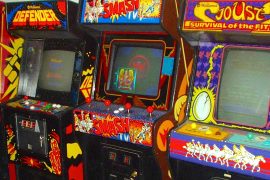
Players gathered around cabinets together while cheering successful runs or watching skilled teams survive difficult stages. Cooperative games encouraged social interaction naturally because people shared physical gaming spaces constantly.
Games like The Simpsons and X-Men turned arcades into loud multiplayer events where strangers often joined forces instantly.
Difficulty Strengthened Teamwork
Retro co-op games frequently demanded real coordination because difficulty levels remained brutally high compared to many modern titles.
Players needed timing, communication, and patience to survive challenging stages and bosses. Carrying weak teammates often became impossible because games punished mistakes aggressively.
That challenge strengthened emotional investment dramatically. Finally defeating difficult levels together after repeated failures created unforgettable moments of relief and excitement.
Split-Screen Multiplayer Became Part of Gaming Culture
The Nintendo 64 era especially transformed split-screen gaming into a cultural phenomenon.
Games like Perfect Dark and Diddy Kong Racing filled bedrooms and living rooms with nonstop multiplayer sessions that often lasted entire weekends.
Screen peeking accusations, controller arguments, and improvised tournament rules all became part of the experience. Those social rituals helped define gaming culture for an entire generation.
Cooperative RPGs Felt Special During the Retro Era
Action RPGs offering multiplayer felt especially magical because most role-playing experiences remained strictly single-player during earlier generations.
Secret of Mana and similar titles transformed fantasy adventures into shared journeys rather than isolated experiences. Exploring mysterious worlds alongside friends created stronger emotional investment naturally.
I still remember how exciting cooperative spellcasting and synchronized boss battles felt because those moments seemed rare and technologically impressive at the time.
Why Retro Co-Op Games Still Matter
Modern multiplayer games often emphasize progression systems, cosmetics, and online engagement loops heavily. Retro co-op games usually focused almost entirely on gameplay and direct interaction instead.
That simplicity keeps many classics enjoyable today. Players can jump into action immediately without navigating complicated menus or endless unlock systems first.
Best co-op retro games to play with friends also remain timeless because human interaction itself never becomes outdated. Shared laughter, teamwork, and competition continue connecting players regardless of technological advancement.
Nostalgia Strengthens the Experience
Retro co-op gaming often carries emotional weight because it connects directly to friendships and specific periods of life.
Certain games instantly remind players of siblings, classmates, or childhood friends gathered around old televisions late into the night. Music, sound effects, and familiar levels trigger vivid memories almost immediately.
I still revisit many retro multiplayer games partly because they recreate those social feelings so effectively. The games themselves matter, but the memories attached to them matter even more.
Final Thoughts
Retro cooperative gaming created unforgettable experiences through shared challenge, local interaction, and simple yet addictive gameplay. Arcades buzzed with teamwork, living rooms erupted with laughter and arguments, and friendships strengthened through repeated victories and frustrating defeats alike.
The best co-op retro games to play with friends continue holding legendary status because they captured the social magic of gaming in its purest form. Whether battling through Contra, surviving Streets of Rage 2, or racing through Mario Kart 64, these classics transformed multiplayer gaming into something deeply personal and endlessly memorable.
Long after CRT televisions disappeared and cartridges faded from store shelves, those late-night co-op sessions still represent some of gaming’s most cherished memories. Great multiplayer experiences may evolve technologically, but nothing replaces the energy of friends sharing the same screen, surviving chaos together one level at a time.