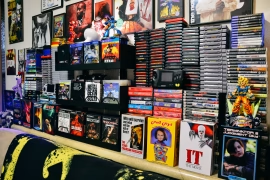
Cardboard boxes once tossed into closets now sit inside protective acrylic cases worth more than modern gaming setups. Old strategy guides, promotional posters, demo discs, and forgotten accessories transformed from disposable gaming clutter into prized collector pieces almost overnight. Few people imagined decades ago that ordinary gaming items would eventually command staggering prices simply because they survived childhood intact. Yet retro collecting evolved into a world where almost anything tied to gaming history can suddenly become valuable under the right conditions.
Retro gaming culture changed dramatically once nostalgia collided with scarcity and internet-driven collector demand. Games themselves remain the center of most collections, but the surrounding items often carry just as much fascination today. Retro Gaming Items That Became Collector Gold reveal how deeply collectors value physical connections to gaming history. Sometimes the rarest treasures are not the games people played constantly, but the overlooked extras nobody bothered to preserve carefully at the time.
Original Nintendo Boxes Became More Valuable Than Expected
Few retro items transformed more dramatically than original Nintendo cardboard packaging. Parents and kids routinely threw boxes away during the 1980s and 1990s because they viewed them as temporary packaging rather than collectible pieces. That casual disposal created enormous scarcity decades later once collectors started chasing complete boxed games.
The Nintendo Entertainment System especially became famous for fragile packaging that rarely survived long-term storage without crushing or fading. Complete boxed copies of games like Super Mario Bros. 3 and The Legend of Zelda now sell for dramatically higher prices than loose cartridges alone.
I still remember flattening Nintendo boxes carelessly as a kid just to save shelf space. Looking back now feels almost painful considering how collectible those packages eventually became. Yet that exact behavior explains why surviving boxes became so valuable in the first place.
Strategy Guides Became Unexpected Treasures
Strategy guides once felt temporary and disposable because players mainly bought them to finish difficult games. Many ended up folded, scribbled on, or discarded after use. Years later, collectors began appreciating them as snapshots of gaming culture from specific eras.
Guides for RPGs and rare titles became especially collectible. Publications tied to games like Final Fantasy VII, Chrono Trigger, and EarthBound gained enormous attention because they preserved artwork, maps, developer notes, and promotional material unavailable elsewhere.
I still enjoy flipping through old strategy guides because they capture gaming history in such a personal way. Hand-drawn maps, exaggerated tips, and colorful layouts instantly transport me back to earlier gaming eras. Modern online walkthroughs may be more convenient, but they rarely feel memorable in the same way.
Demo Discs Turned Into Serious Collector Pieces
Demo discs once flooded magazines, retail stores, and gaming events everywhere. Most players treated them casually because they existed mainly as temporary previews for upcoming games. Many ended up scratched, lost, or tossed aside once full releases arrived.
Today, demo discs connected to the PlayStation and Dreamcast eras attract dedicated collectors because they preserve unfinished builds, exclusive content, and forgotten promotional history. Some demos even contain early versions of games with removed features or altered mechanics.
I always loved demo discs because they felt like tiny windows into gaming’s future during childhood. Revisiting them now creates a strange nostalgic feeling because many represented games I anticipated for months before release. Their value comes as much from memory as rarity itself.
CRT Televisions Became Essential Again
For years, people practically gave away CRT televisions while upgrading to flat-screen displays. Old tube TVs felt bulky, outdated, and inconvenient compared to modern screens. Then retro collectors rediscovered how dramatically classic games look and feel on original CRT hardware.
Systems like the Super Nintendo Entertainment System and Sega Genesis were designed specifically around CRT display technology. Pixel art, scanlines, light gun compatibility, and input responsiveness all behave differently on modern televisions.
Watching collectors now search desperately for high-quality CRT sets feels surreal after years of seeing them abandoned beside roadsides. I regret passing up several beautiful Sony Trinitron sets years ago because I assumed nobody would ever care about them again.
Limited Edition Controllers Became Highly Sought After
Controllers tied to special editions, tournaments, or promotional releases evolved into major collector targets over time. Many originally sold in relatively small numbers, especially region-exclusive versions connected to specific franchises or events.
The Nintendo 64 generated particularly collectible controller variations through transparent shells, themed releases, and exclusive color combinations. Pokémon editions, clear plastic variants, and Japanese exclusives became especially valuable once collectors started completing hardware sets.
I always underestimated how collectible controllers would become because they felt like ordinary accessories during their original release periods. Yet unique designs now capture enormous attention because they represent gaming’s visual identity just as strongly as the consoles themselves.
Sega Saturn Imports Became Collector Obsessions
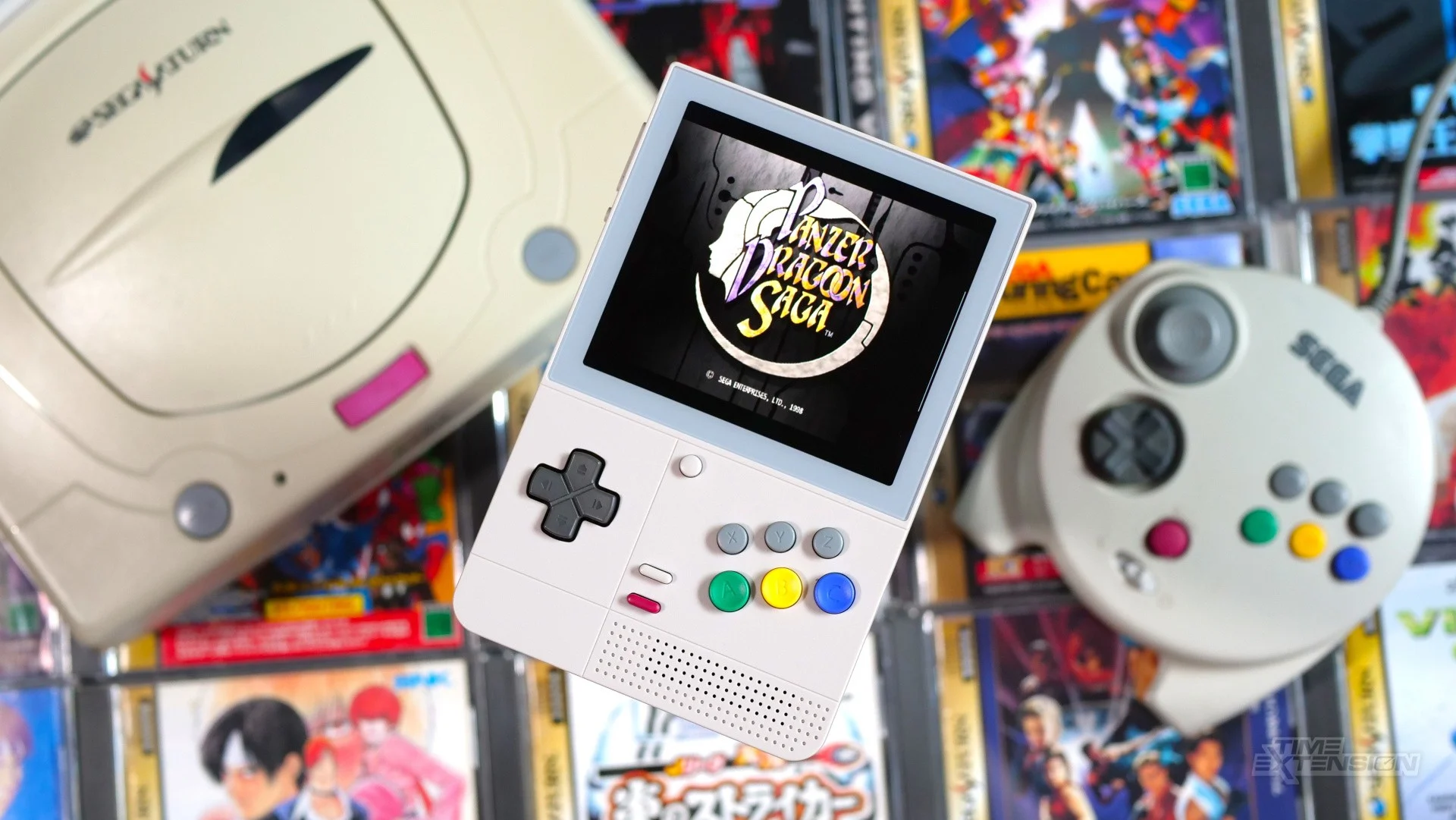
Japanese imports changed retro collecting permanently, especially for systems like the Sega Saturn. The Saturn’s Japanese library dwarfed its North American lineup, exposing collectors to shooters, fighters, rhythm games, and visual novels unavailable elsewhere officially.
Import copies of games like Radiant Silvergun and Marvel Super Heroes vs. Street Fighter became collector gold because they represented experiences Western players missed during the Saturn’s commercial lifespan.
I still think Saturn import collecting remains one of the most visually striking areas of retro gaming. Japanese spine cards, colorful packaging, and oversized manuals give Saturn shelves a unique personality few other systems can match.
Nintendo Power Magazines Became Historical Archives
Gaming magazines once piled up in bedrooms everywhere before slowly disappearing into closets or recycling bins. Publications like Nintendo Power eventually transformed into valuable collector pieces because they preserved gaming culture month by month.
Early issues became especially collectible because they documented major Nintendo releases, gaming rumors, artwork, and strategy content from critical moments in gaming history. Posters and inserts increased values further because those extras rarely survived intact.
I spent countless hours rereading Nintendo Power issues during childhood because the magazine made upcoming games feel larger than life. Revisiting those magazines now feels like opening time capsules filled with gaming excitement from another era.
Promotional Store Displays Became Museum-Worthy
Retail displays once existed purely to attract shoppers temporarily before stores discarded them. Posters, cardboard standees, kiosk units, and neon signage rarely survived because retailers considered them disposable advertising materials.
Today, original store displays tied to systems like the Nintendo GameCube and PlayStation 2 command serious attention from collectors seeking authentic gaming history. Large displays especially create dramatic visual centerpieces inside retro gaming rooms.
I visited a collector who owned an original Sega retail kiosk complete with CRT monitor and demo hardware still functioning properly. Seeing it in person felt incredible because the display recreated an entire retail atmosphere from the late 1990s perfectly.
Rare Memory Cards and Accessories Gained Value
Memory cards, link cables, multitaps, and odd peripherals once seemed too ordinary to matter much long term. Yet collectors eventually realized certain accessories released in tiny quantities or tied to niche games became surprisingly difficult to find.
The Dreamcast VMU units especially gained collector appeal because of their unusual design and integrated mini-games. Limited-edition accessories tied to franchises like Pokémon or Zelda became even more desirable.
Some of the most fascinating retro collections I have seen include shelves filled entirely with obscure accessories most players barely remember existed. Those odd peripherals reveal how experimental gaming hardware became during earlier generations.
Arcade Cabinets Became Centerpieces of Serious Collections
Arcade cabinets once disappeared rapidly as arcades closed across the world. Many machines ended up scrapped, stripped for parts, or abandoned in storage. Collectors eventually recognized how important those cabinets were to preserving gaming history properly.
Original cabinets for games like Street Fighter II, Mortal Kombat, and Pac-Man became prized collector centerpieces because they recreated the authentic arcade experience impossible to duplicate fully elsewhere.
Walking into a room filled with functioning arcade machines still creates excitement unlike any modern gaming setup. The sounds, lights, and cabinet artwork transform retro gaming into a physical environment rather than just software running on screens.
Factory-Sealed Games Changed the Market Entirely
Sealed retro games completely reshaped collector culture over the last decade. Unopened copies survived in tiny numbers because almost everyone removed packaging immediately after purchase originally. High-grade sealed games eventually crossed into investment territory once grading companies entered the hobby aggressively.
The Super Mario 64 and The Legend of Zelda markets especially exploded after record-breaking auction sales drew mainstream financial attention toward retro collecting.
I still find sealed game collecting fascinating even though I personally prefer playing my games openly. A factory-sealed cartridge feels almost archaeological because it preserved a retail experience frozen perfectly in time for decades.
Pokémon Cards and Gaming Crossovers
Gaming collectibles expanded far beyond consoles and cartridges once franchises crossed into trading cards and merchandise. Pokémon especially blurred those boundaries completely through cards, handheld games, toys, and promotional items.
Rare Pokémon cards connected directly to gaming history became some of the most valuable collectibles anywhere. Event-exclusive distributions, tournament prizes, and promotional tie-ins created enormous scarcity surrounding certain items.
Watching Pokémon evolve from playground obsession into serious collector culture still amazes me. The franchise managed to preserve nostalgia across multiple generations simultaneously, which keeps demand incredibly strong even decades later.
Why Retro Gaming Items Became So Valuable
Scarcity explains part of the collector boom, but nostalgia drives the emotional side much more deeply. Many retro items became valuable precisely because nobody expected them to matter long term. Disposable childhood objects survived accidentally rather than intentionally.
Collectors also value these items because they preserve complete gaming experiences instead of isolated software alone. Manuals, posters, kiosks, magazines, and accessories recreate entire cultural moments surrounding gaming’s evolution.
I think retro collecting resonates so strongly because physical gaming items feel increasingly special in a digital world. Holding original packaging or flipping through old gaming magazines creates a direct connection to earlier eras that downloads and streaming services simply cannot replicate fully.
Final Thoughts
Retro Gaming Items That Became Collector Gold prove how unpredictable gaming culture can become over time. Objects once ignored, discarded, or treated casually transformed into treasured pieces of entertainment history because enough collectors recognized their emotional and historical importance later.
Boxes, magazines, demo discs, arcade cabinets, controllers, and promotional materials all tell stories extending beyond the games themselves. Together, they preserve the atmosphere surrounding earlier gaming generations in ways software alone never fully could. That broader preservation effort gives retro collecting much of its personality and emotional power.
The most fascinating part of retro collecting remains the realization that today’s ordinary gaming items could become tomorrow’s legendary treasures. Somewhere right now, forgotten accessories and overlooked promotional materials sit hidden inside closets waiting for collectors to rediscover them years from now. That possibility keeps the excitement alive for retro hunters everywhere.