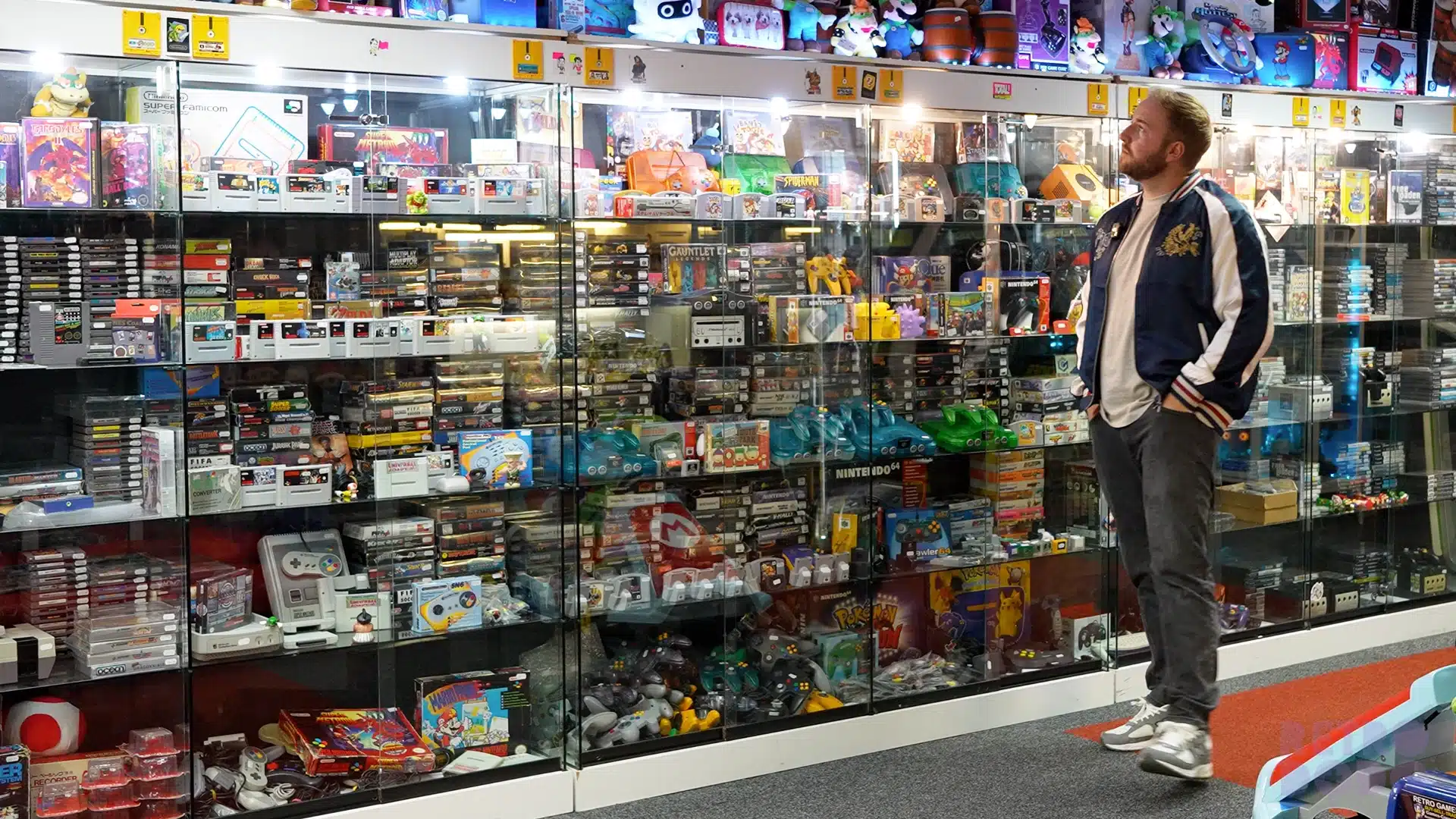
Pixelated adventures, primitive 3D worlds, and simple mechanics once laid the groundwork for some of the biggest gaming innovations in history. Many retro games operated under severe technical limitations, yet those restrictions often forced developers to become more creative rather than less ambitious. Designers focused heavily on gameplay loops, level structure, atmosphere, and player engagement because they could not rely on photorealistic graphics or cinematic presentation to impress audiences.
Modern gaming owes an enormous debt to those early experiments. Open-world adventures, cinematic storytelling, online multiplayer systems, crafting mechanics, and even modern indie design philosophies can often trace their roots directly back to classic retro titles. Retro games that inspired modern masterpieces continue shaping the industry because their ideas proved timeless long before modern hardware existed.
Super Mario 64 Changed 3D Design Forever
Super Mario 64 completely transformed how developers approached 3D movement and exploration. Before its release, many studios struggled to translate platforming mechanics into three-dimensional spaces effectively.
Mario’s movement system became the blueprint for countless future games. Analog control, camera manipulation, momentum-based jumping, and open-ended level exploration all influenced generations of developers afterward.
Modern masterpieces like Super Mario Odyssey and A Hat in Time clearly build upon principles introduced by Mario 64 decades earlier. I still find it remarkable how naturally the controls feel even today despite the game’s age.
The Legend of Zelda Inspired Open-World Adventure Games
The Legend of Zelda encouraged exploration in ways revolutionary for its era. Players entered a mysterious world with minimal guidance, which created a powerful sense of discovery and independence.
That philosophy later influenced modern open-world design heavily. Games rewarding curiosity rather than strict linear progression owe tremendous creative debt to Zelda’s original structure.
Modern titles such as Elden Ring and The Legend of Zelda: Breath of the Wild clearly embrace that same philosophy. Exploration feels meaningful because players uncover secrets naturally rather than simply following markers across maps.
Doom Revolutionized First-Person Action
Doom changed gaming culture permanently by establishing the core foundations of fast-paced first-person shooters.
Aggressive combat, labyrinthine level design, and fluid movement created an experience unlike anything players had seen previously. Multiplayer deathmatches also helped shape competitive gaming long before online esports became mainstream.
Modern shooters such as DOOM Eternal and Titanfall 2 still reflect Doom’s emphasis on mobility and relentless pacing. I always appreciate how modern developers continue revisiting those core ideas because they remain satisfying decades later.
Metroid Created Atmospheric Exploration
Metroid introduced interconnected exploration systems that eventually inspired an entire genre.
Instead of progressing through simple linear stages, players gradually unlocked abilities that opened previously inaccessible areas. That structure created stronger immersion because exploration itself became part of progression.
Modern masterpieces like Hollow Knight and Ori and the Blind Forest directly build upon Metroid’s design philosophy. The sense of discovery remains just as powerful today because the structure encourages curiosity constantly.
Final Fantasy VII Elevated Cinematic Storytelling
Final Fantasy VII demonstrated that video games could deliver emotional narratives on a cinematic scale.
Character development, dramatic plot twists, and large-scale world-building helped gaming evolve beyond simple arcade-style experiences. Players formed emotional attachments to fictional characters in ways that felt groundbreaking during the late 1990s.
Modern narrative-driven masterpieces such as The Last of Us and Persona 5 continue building upon storytelling techniques popularized by RPG classics like Final Fantasy VII.
Castlevania Shaped the Indie Renaissance
Castlevania: Symphony of the Night influenced modern indie gaming enormously through its exploration-heavy design and progression systems.
Its interconnected castle structure, RPG mechanics, and atmospheric world-building created a formula countless developers later embraced. Exploration always felt rewarding because hidden secrets and upgrades constantly encouraged experimentation.
Games like Dead Cells and Hollow Knight clearly borrow heavily from Symphony of the Night. I still see traces of Castlevania’s design philosophy throughout modern indie showcases constantly.
Resident Evil Defined Survival Horror
Resident Evil established many survival horror conventions still used today.
Limited resources, oppressive atmosphere, fixed camera tension, and puzzle-focused progression created fear through vulnerability instead of overwhelming action. Players constantly felt pressured because survival depended on careful decision-making.
Modern horror masterpieces such as Resident Evil 2 and Dead Space continue evolving concepts introduced during the original PlayStation era.
Chrono Trigger Influenced Narrative RPG Design
Chrono Trigger introduced branching endings, dynamic storytelling, and seamless pacing that influenced RPG development for decades afterward.
Its time-travel structure created consequences that felt meaningful because player actions affected different eras directly. Side quests also carried emotional depth rather than existing purely for rewards.
Modern RPGs emphasizing player choice and emotional storytelling often reflect Chrono Trigger’s influence clearly. Games prioritizing pacing and character relationships continue borrowing lessons from its elegant structure.
SimCity Inspired Creative Sandbox Games
SimCity helped popularize open-ended simulation gameplay where creativity mattered more than traditional victory conditions.
Players experimented freely with city layouts, infrastructure planning, and disaster management while shaping unique urban environments. The game encouraged creativity instead of rigid objective completion.
Modern masterpieces such as Cities: Skylines and Minecraft clearly inherit that sandbox philosophy. Freedom itself became part of the entertainment value.
Street Fighter II Created Competitive Fighting Culture
Street Fighter II transformed multiplayer competition into a cultural phenomenon during the arcade era.
Distinct characters, balanced mechanics, and technical mastery created intense player rivalries. Arcades became gathering places where skilled competitors built reputations through direct competition.
Modern fighting masterpieces like Street Fighter 6 and Tekken 8 still follow competitive structures introduced decades earlier.
I always admire how fighting game communities preserve arcade culture emotionally even within modern online environments.
Retro Games That Inspired Modern Masterpieces Prioritized Gameplay First
Retro developers often focused intensely on gameplay because technical limitations forced efficiency and clarity.
Movement systems, enemy behavior, level layouts, and progression loops received enormous attention because those mechanics carried the entire experience. Modern developers continue studying retro games partly because strong gameplay design never becomes outdated.
Many modern masterpieces succeed precisely because they revisit retro principles while combining them with contemporary technology and storytelling techniques.
Hardware Limitations Encouraged Innovation
Older consoles and computers imposed strict restrictions on developers. Memory limitations, primitive graphics, and minimal storage space forced creative problem-solving constantly.
Those restrictions often produced stronger design discipline. Developers needed concise storytelling, memorable mechanics, and efficient pacing because wasted space simply was not possible.
I still believe some retro games feel timeless precisely because they focused on essential design elements without unnecessary excess or bloated systems.
Indie Developers Keep Retro Ideas Alive
Modern indie gaming frequently celebrates retro influences openly. Pixel art, side-scrolling exploration, and challenging gameplay structures continue appearing because players still connect deeply with those experiences.
Games like Celeste and Shovel Knight intentionally embrace retro aesthetics while refining classic gameplay concepts for modern audiences.
That relationship between retro inspiration and modern execution keeps gaming history alive creatively rather than treating it as outdated nostalgia alone.
Retro RPGs Still Influence Storytelling
Modern narrative-driven games often build upon emotional techniques established during the 16-bit and PlayStation eras.
Character relationships, world-building, moral choices, and cinematic pacing all evolved significantly through retro RPG experimentation. Developers learned players wanted emotional investment alongside gameplay challenge.
Retro games that inspired modern masterpieces helped prove gaming could become a storytelling medium capable of standing beside film and literature emotionally.
Multiplayer Design Still Reflects Arcade Culture
Competitive gaming culture traces many roots directly back to retro arcades and local multiplayer experiences.
Games like Street Fighter II, GoldenEye 007, and Mario Kart 64 taught developers how rivalry, accessibility, and replayability could create lasting player communities.
Modern esports and online multiplayer ecosystems may appear technologically advanced, but many core emotional experiences remain surprisingly similar to crowded arcade cabinets and split-screen living room battles.
Why Retro Influence Remains So Powerful
Retro games continue inspiring modern developers because foundational ideas rarely lose value. Strong controls, satisfying progression, meaningful exploration, and memorable atmosphere remain effective regardless of graphical fidelity.
Many players also appreciate the focused nature of retro design. Older games often respected player time by emphasizing gameplay quality over endless filler content.
I still revisit retro classics because their influence becomes easier to recognize with time. Modern masterpieces often feel like conversations with the past, refining ideas introduced decades earlier.
Final Thoughts
Retro gaming shaped the modern industry through innovation, experimentation, and fearless creativity during periods when developers constantly explored new possibilities. Those early classics established foundations for storytelling, multiplayer competition, exploration systems, and gameplay mechanics that continue influencing modern masterpieces today.
Retro games that inspired modern masterpieces remain important because they proved great ideas outlast technological limitations. Whether through atmospheric exploration, cinematic storytelling, competitive multiplayer, or open-world freedom, these classics introduced concepts that still define gaming culture decades later.
Long after old cartridges faded and arcade machines disappeared, their influence continues living inside modern adventures enjoyed by millions worldwide. The graphics may evolve constantly, but the core design philosophies born during retro gaming’s golden years still shape the future of interactive entertainment every single day.