Stacks of cartridges, faded instruction manuals, tangled controller cords, and shelves packed with aging consoles all tell stories that modern gaming rarely captures anymore. Retro game collecting goes far beyond simply owning old hardware. The hobby slowly becomes an obsession with preservation, display, restoration, and recreating the atmosphere surrounding classic gaming eras as accurately as possible.
A strong collection eventually demands more than games alone. Dust, aging electronics, fragile packaging, and outdated connections create challenges that every serious collector encounters sooner or later. After years spent hunting rare titles, restoring damaged consoles, and reorganizing crowded shelves multiple times, I realized that accessories quietly determine whether a retro collection survives long term or slowly falls apart. Must-have accessories for retro game collectors are not luxury additions. They become essential tools for preserving both the games and the experience surrounding them.
Storage Shelves Shape The Entire Collection
Retro collections grow faster than most people expect. One console becomes several, loose cartridges multiply rapidly, and suddenly entire rooms begin disappearing beneath stacks of gaming hardware. Proper shelving stops being optional almost immediately once collecting becomes serious.
Cheap shelves rarely survive the weight of large retro collections for long. Older consoles, CRT televisions, boxed games, and accessories become surprisingly heavy together. Strong shelving prevents dangerous collapses while also making collections easier to organize and display properly.
I learned this lesson after watching a weak bookshelf begin bending beneath rows of boxed PlayStation and Sega Saturn games. That moment changed how I approached collection storage entirely. Solid shelves transformed the room visually while protecting years of collected hardware from avoidable damage.
Plastic Protectors Preserve Valuable Games
Cardboard game boxes were never designed to survive decades. Edges soften, corners split, colors fade, and small scratches slowly destroy the appearance of collectible titles over time. Plastic protectors became one of the smartest investments I ever made for preserving older games.
Boxed retro games especially benefit from protective cases because cardboard absorbs wear incredibly easily. Even careful collectors accidentally damage packaging during normal handling and shelf organization. Thin protective sleeves create a barrier against dust, moisture, scratches, and sunlight without hiding the artwork itself.
Some collectors initially dismiss protectors as unnecessary until they compare preserved boxes beside heavily worn copies. The difference becomes obvious instantly. Must-have accessories for retro game collectors often focus less on appearance and more on preventing irreversible damage years down the line.
Cleaning Kits Save Aging Hardware
Retro hardware attracts dust relentlessly. Cartridges develop dirty contacts, controller buttons become sticky, and old consoles slowly collect grime inside vents and ports. Without regular maintenance, even well-preserved systems eventually begin malfunctioning.
Good cleaning kits include microfiber cloths, isopropyl alcohol, compressed air, cotton swabs, and specialized cleaning tools designed for electronics. Those simple items dramatically extend the lifespan of retro hardware while improving performance and reliability during gameplay.
I still remember opening an old Nintendo Entertainment System that constantly failed to read cartridges properly. Years of dust and oxidation covered the internal contacts. After careful cleaning, the system worked almost flawlessly again. That experience completely changed my attitude toward maintenance because I realized how many aging consoles simply needed proper care rather than replacement.
HDMI Adapters Modernize Older Consoles
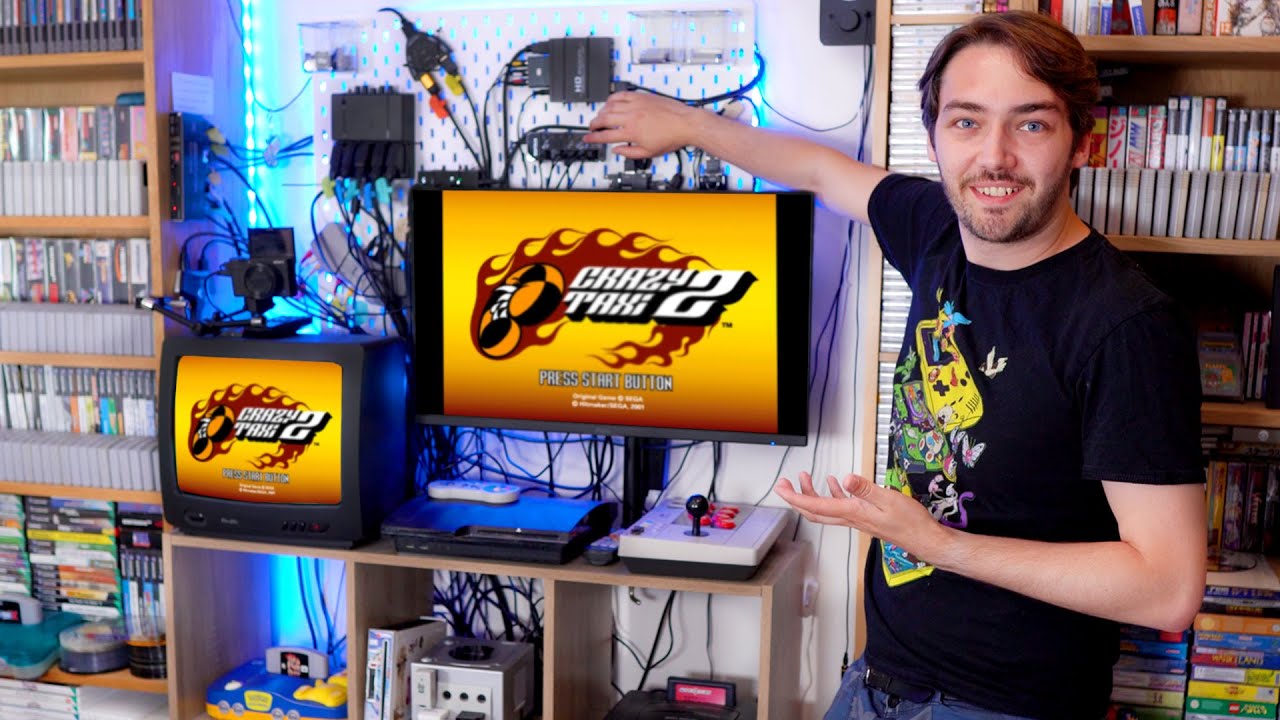
Retro consoles were built for CRT televisions, not modern flat panels. Composite cables look blurry on newer displays, RF connections create terrible image quality, and some modern televisions barely recognize older analog signals at all. HDMI adapters solve many of those problems while preserving access to classic systems.
High-quality adapters dramatically improve visual clarity compared to cheap converters flooding online marketplaces. Better hardware reduces input lag, sharpens image quality, and creates smoother compatibility with modern displays. Retro collectors using multiple consoles quickly discover that reliable HDMI conversion becomes essential for practical gaming setups.
Several of my older systems spent years untouched simply because connecting them to modern televisions felt frustrating. Proper HDMI solutions brought those consoles back into regular use almost immediately. Retro collecting becomes far more enjoyable once older hardware integrates comfortably into modern entertainment spaces.
Cartridge Holders Reduce Shelf Chaos
Loose cartridges create visual chaos surprisingly fast. Stacks collapse constantly, labels scratch against one another, and finding specific games becomes frustrating once collections reach a certain size. Cartridge holders bring order back into growing retro libraries.
Dedicated cartridge storage racks display games cleanly while protecting labels and plastic shells from unnecessary wear. Organizing collections by console, genre, or release era also becomes significantly easier with proper storage systems in place.
I underestimated cartridge organization for years until my shelves became crowded enough that locating specific games turned into a scavenger hunt. Proper holders transformed the collection from messy storage into an actual display worth looking at regularly. Small organizational upgrades often improve retro collections more than expensive purchases do.
Surge Protectors Protect Irreplaceable Hardware
Retro consoles were built decades ago, and replacement parts grow scarcer every year. Electrical surges that might damage modern electronics can permanently destroy aging hardware with little warning. Surge protectors quietly become some of the most important accessories any collector can own.
Large retro setups often involve multiple consoles, CRT televisions, sound systems, HDMI scalers, and charging stations running simultaneously. That amount of equipment creates significant electrical vulnerability during storms or unexpected power fluctuations.
I experienced this fear firsthand during a severe thunderstorm while several retro consoles remained connected overnight. The possibility of losing irreplaceable hardware instantly changed how I managed power protection afterward. Reliable surge protectors now sit beneath every major gaming setup I own because the risk simply feels too high otherwise.
Controller Organizers Make A Huge Difference
Retro controllers multiply rapidly inside growing collections. Standard pads, arcade sticks, specialty peripherals, light guns, and multiplayer accessories quickly create tangled cable disasters that overwhelm entertainment spaces.
Controller organizers eliminate much of that clutter while preventing unnecessary cable strain and accidental damage. Wall mounts, storage bins, and dedicated controller stands help preserve hardware while keeping gaming areas visually cleaner and easier to navigate.
Nothing ruined the atmosphere of a retro setup faster than digging through piles of tangled cords searching for the correct controller. Once proper organization entered the picture, gaming sessions became smoother and far less frustrating. Accessories that simplify everyday use often become the most valuable over time.
CRT Television Stands Need Serious Stability
Retro enthusiasts who use CRT televisions face unique storage challenges. Older displays weigh dramatically more than modern flat panels, especially larger Sony Trinitron or professional monitor models prized by collectors today.
Weak furniture creates genuine safety risks once heavy CRT hardware enters the equation. Stable television stands capable of supporting significant weight become essential rather than optional for serious retro setups.
Moving a large CRT television remains one of the least enjoyable experiences in retro gaming culture. After helping transport several massive sets over the years, I developed enormous respect for strong furniture built specifically for heavy electronics. Proper support protects both the hardware and the people around it.
Label Makers Improve Collection Management
Large collections eventually become difficult to manage without some form of categorization. Storage bins fill with cables, spare controllers, adapters, manuals, and replacement parts that all begin blending together over time.
Simple label makers help collectors organize equipment efficiently while reducing time wasted searching for specific accessories later. Clearly labeled storage systems become especially useful for collectors maintaining multiple consoles across several gaming generations.
I resisted labeling systems for years because they felt unnecessary at smaller collection sizes. That changed completely once storage boxes multiplied beyond easy memory. Organized collections create smoother gaming experiences because hardware remains accessible rather than buried beneath clutter.
Wireless Controllers Add Modern Convenience
Original retro controllers carry enormous nostalgic value, but their short cables create constant frustrations in modern gaming spaces. Wireless retro controllers solve that problem while preserving much of the original feel and button layout players remember.
Companies like 8BitDo built strong reputations by designing wireless controllers specifically for retro enthusiasts. Their hardware blends classic aesthetics with modern convenience in ways that feel surprisingly natural during gameplay.
I still prefer original controllers for certain systems, yet wireless options dramatically improved casual multiplayer sessions and larger room setups. Stretching fragile controller cords across crowded spaces stopped feeling necessary once reliable wireless alternatives entered the picture.
Display Lighting Transforms Retro Rooms
Retro gaming collections deserve proper presentation. Shelves packed with colorful cartridges, glowing consoles, and boxed classics gain entirely different atmosphere once quality lighting enters the room.
Soft LED lighting highlights game artwork beautifully without generating excessive heat that could damage older materials. Adjustable lighting also helps recreate arcade-inspired environments that complement retro gaming spaces naturally.
One of the biggest visual upgrades I ever made involved simple shelf lighting installed behind rows of older consoles. Suddenly the collection felt less like storage and more like a carefully curated gaming museum. Presentation matters because retro collecting often revolves as much around appreciation as actual gameplay.
Memory Card Organizers Prevent Disaster
PlayStation, Dreamcast, GameCube, and other retro systems relied heavily on memory cards for saved data. Losing those tiny accessories can mean losing years of progress, rare unlockables, and personal gaming history permanently.
Dedicated memory card holders prevent accidental damage while organizing saves more efficiently across multiple systems. Small accessories like this rarely seem exciting initially, yet they quietly protect some of the most personal parts of retro gaming collections.
I discovered old RPG save files from childhood years after organizing forgotten memory cards properly. Seeing those preserved game saves again felt surprisingly emotional. Retro gaming involves preserving experiences and memories just as much as preserving physical hardware.
Disc Resurfacers Rescue Damaged Games
Scratched discs haunt many retro collectors, especially those focused on PlayStation, Sega Saturn, Dreamcast, or older CD-based systems. Minor scratches can prevent games from loading properly despite the discs remaining otherwise intact.
Disc resurfacers help restore many damaged games by polishing away light surface scratches carefully. They cannot repair severe damage, but they frequently rescue discs that would otherwise become unplayable permanently.
A favorite PlayStation RPG in my collection stopped functioning years ago because of visible scratches near the outer edge. Professional resurfacing restored it almost completely. Since then, disc maintenance tools became essential parts of my retro gaming setup because replacements for rare games continue becoming more expensive annually.
Dust Covers Extend Hardware Lifespan
Dust remains one of the quietest threats to aging retro hardware. Consoles sitting exposed on shelves gradually collect debris inside vents, cartridge slots, and disc drives even when not actively used.
Dust covers protect systems between gaming sessions while reducing cleaning frequency dramatically. They also help preserve cosmetic appearance by limiting exposure to sunlight and environmental dirt over long periods.
Several older consoles in my collection still look remarkably clean largely because they remained covered consistently while stored. Preventative care often matters more than restoration because avoiding damage entirely becomes easier than repairing aging hardware later.
Retro Collecting Becomes Easier With The Right Accessories
New collectors often focus entirely on acquiring games and consoles while overlooking the smaller tools that make retro gaming sustainable long term. Accessories quietly shape how collections age, function, and appear years after purchase.
Must-have accessories for retro game collectors exist because older hardware requires care modern gaming rarely demands anymore. Preservation, organization, cleaning, display, and compatibility all become part of the hobby naturally over time.
Some of the smartest purchases I ever made involved practical accessories rather than expensive rare games. Strong shelves prevented damage, HDMI adapters revived forgotten consoles, and cleaning supplies restored systems that seemed permanently broken. Retro collecting becomes far more rewarding once the supporting tools match the quality of the collection itself.
Final Thoughts
Retro gaming collections represent more than shelves filled with aging electronics. They preserve gaming history, personal memories, and entire eras of creativity that continue inspiring players decades later. Maintaining those collections properly requires attention not only to the games themselves but also to the accessories supporting them behind the scenes.
Must-have accessories for retro game collectors protect hardware, improve organization, modernize connectivity, and extend the lifespan of fragile equipment that grows harder to replace every year. Some accessories focus on preservation, while others improve comfort and convenience during actual gameplay. Together they create setups capable of surviving long into the future.
The hobby changes once collections begin feeling organized, protected, and fully functional instead of cluttered and fragile. Shelves become showcases rather than storage spaces, consoles stay reliable longer, and gaming sessions unfold more smoothly without constant technical frustrations. Retro collecting may begin with a single console or cartridge, but the right accessories ultimately determine how well that passion survives over time.