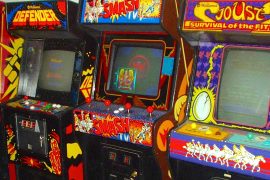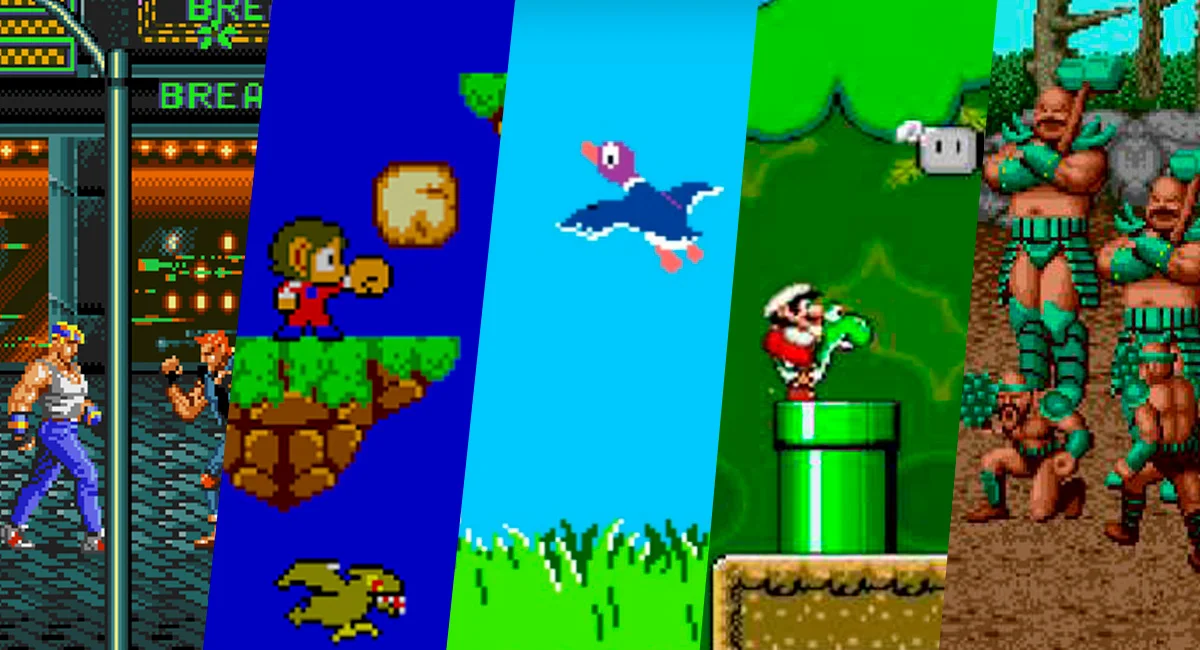
Tiny television speakers once delivered melodies powerful enough to stay trapped inside players’ memories for decades. Before cinematic orchestras and massive audio budgets became common in gaming, composers worked within severe hardware limitations while somehow producing music that still feels unforgettable today. A handful of electronic notes could create tension, excitement, sadness, or wonder more effectively than many modern soundtracks packed with expensive production value.
Retro gaming music mattered because it became inseparable from the experiences themselves. Boss battles felt more dangerous, adventures seemed larger, and emotional scenes carried greater impact because the music guided players through those moments constantly. Iconic retro games with legendary soundtracks continue standing out today because their music achieved something timeless far beyond technical limitations.
Super Mario Bros. Created Instantly Recognizable Music
Super Mario Bros. introduced one of the most famous themes in gaming history through simple yet endlessly memorable composition. The cheerful overworld music instantly communicates adventure, movement, and excitement within seconds.
Its underwater theme deserves just as much praise because it completely shifts the atmosphere. Suddenly the game feels calm, mysterious, and slightly dreamlike despite using extremely limited hardware sound channels.
I still find it amazing how deeply these melodies entered popular culture. People who barely play games can still recognize Mario music immediately because the compositions became larger than gaming itself.
The Legend of Zelda Turned Adventure Into Music
The Legend of Zelda used music to establish a sense of epic fantasy adventure rarely heard during the 8-bit era. The overworld theme immediately creates momentum and curiosity while encouraging exploration across Hyrule.
Dungeon music shifts the mood dramatically. Minimal melodies and unsettling tones create tension that contrasts sharply against the adventurous overworld soundtrack. That emotional contrast helped exploration feel dangerous and mysterious.
Its music also evolved beautifully throughout later sequels. Zelda melodies became emotionally tied to discovery, heroism, and nostalgia for an entire generation of players.
Castlevania Blended Horror With Energy
Castlevania delivered gothic horror themes through energetic music that somehow felt both dark and thrilling simultaneously. Tracks like “Vampire Killer” still rank among the most celebrated compositions in retro gaming history.
The soundtrack constantly pushes players forward despite the game’s brutal difficulty. Fast-paced melodies create adrenaline during dangerous platforming sections while reinforcing the supernatural atmosphere.
I always admired how stylish the music sounded compared to many other NES titles. Castlevania tracks carried confidence and personality that immediately separated the series from competing action games.
Chrono Trigger Used Music for Emotional Storytelling
Chrono Trigger demonstrated how game music could strengthen storytelling emotionally. Different eras carry distinct musical identities, which helps time travel feel meaningful rather than gimmicky.
Peaceful village themes create warmth and comfort, while dramatic orchestral-inspired tracks heighten emotional moments beautifully. The soundtrack constantly reinforces the adventure’s emotional pacing without overwhelming scenes unnecessarily.
Its emotional themes still resonate deeply today. I can hear certain tracks for only a few seconds before specific characters, locations, and story moments return vividly to mind.
Sonic the Hedgehog Made Speed Sound Cool
Sonic the Hedgehog captured the rebellious energy of the Sega Genesis era through upbeat, energetic music that perfectly matched the game’s speed-focused gameplay.
Green Hill Zone remains one of the most iconic level themes ever created because it instantly feels joyful and exciting. Fast melodies encourage momentum naturally while reinforcing the colorful visual style.
The soundtrack also gave Sonic a stronger identity compared to competing mascots. Sega wanted attitude and edge, and the music helped communicate that personality constantly throughout the adventure.
Final Fantasy VI Delivered Cinematic Emotion
Final Fantasy VI pushed the Super Nintendo audio hardware to extraordinary limits. The soundtrack feels massive emotionally because composer Nobuo Uematsu created distinct themes for characters, locations, and emotional moments throughout the game.
Opera sequences, battle themes, and haunting melodies combine into one of the most ambitious soundtracks of the 16-bit generation. Few games from the era used music so effectively to support emotional storytelling.
Its villain theme also remains legendary among RPG fans. Kefka’s music captures madness and chaos perfectly, strengthening his presence long before modern cinematic voice acting existed.
Streets of Rage 2 Defined Sega’s Sound
Streets of Rage 2 featured one of the most influential soundtracks in gaming history because it blended electronic dance music with aggressive action gameplay brilliantly.
The soundtrack feels energetic, stylish, and strangely futuristic even today. Industrial beats and heavy basslines transform simple street fights into adrenaline-filled experiences.
I still believe many tracks sound shockingly modern considering the hardware limitations. The music gave Streets of Rage 2 a coolness factor that few other beat ’em ups could match during the early 1990s.
Donkey Kong Country Brought Atmosphere to the SNES
Donkey Kong Country used music to create atmosphere as effectively as its groundbreaking visuals. Ambient jungle themes, underwater melodies, and cave music gave levels emotional identity far beyond simple background noise.
Aquatic Ambiance remains one of the most beloved retro gaming tracks ever composed. The calm melody transforms underwater exploration into something peaceful and emotionally immersive.
Its soundtrack also helped make the world feel alive. Rainstorms, forests, and industrial environments all gained stronger personality through carefully crafted music and ambient sound design.
Mega Man 2 Turned Action Into Adrenaline
Mega Man 2 delivered relentless energy through fast-paced stage themes that still rank among the best action game music ever composed.
Each Robot Master stage carries unique musical personality, which helps environments feel memorable even decades later. Quick melodies and driving rhythms perfectly complement the game’s intense platforming and combat.
The soundtrack also motivates persistence during difficult sections. Losing repeatedly somehow feels less frustrating when the music remains this exciting and energetic.
Silent Hill Made Fear Audible
Silent Hill approached music differently by emphasizing discomfort, industrial noise, and psychological tension rather than traditional melodies.
Distorted sounds and eerie ambient tracks create constant unease throughout exploration. Silence itself becomes terrifying because players anticipate horrifying noises at any moment.
I still consider the soundtrack one of gaming’s greatest horror achievements because it attacks emotions directly. Few games use audio to create psychological dread as effectively as Silent Hill.
Iconic Retro Games With Legendary Soundtracks Created Emotional Memory
Music often becomes the strongest emotional link players retain from retro games. Visuals may age technologically over time, but melodies remain surprisingly powerful decades later.
Hearing certain tracks instantly transports players back into specific gaming moments. A town theme may trigger memories of childhood exploration, while battle music recalls difficult victories and late-night sessions.
That emotional connection explains why retro gaming concerts and soundtrack collections remain so popular today. Players are not simply revisiting games; they are reconnecting with memories attached to the music itself.
Hardware Limitations Encouraged Creativity
Retro composers faced severe technical restrictions compared to modern musicians. Limited sound channels and primitive audio hardware forced developers to focus heavily on melody and composition instead of production complexity.
Those limitations often strengthened the music rather than weakening it. Strong melodies became essential because composers could not rely on realistic instruments or cinematic effects to impress players.
I always admire how much emotion retro composers created with so few tools available. Tiny electronic sounds somehow became heroic, emotional, terrifying, or exciting through pure creativity and composition skill.
Arcades Used Music to Grab Attention
Arcade games especially relied on music to attract players inside noisy gaming halls. Loud, catchy soundtracks competed directly against neighboring machines for attention.
Games like OutRun and Daytona USA understood this perfectly. Their music immediately created excitement before players even touched the controls.
That arcade influence shaped gaming culture heavily during the 1980s and 1990s. Soundtracks became part of the spectacle rather than simple background accompaniment.
RPGs Elevated Video Game Music
Retro RPGs often pushed game music furthest emotionally because lengthy adventures required stronger atmosphere and storytelling support.
Character themes, emotional town music, dramatic boss battles, and world map compositions all helped players connect deeply with fictional worlds. Music carried emotional weight comparable to film scores despite technical limitations.
Games like Final Fantasy VII and EarthBound proved gaming soundtracks could become emotionally sophisticated artistic achievements rather than repetitive loops.
Why Retro Gaming Music Still Matters
Modern gaming soundtracks often sound cinematic and technically impressive, yet retro music remains uniquely memorable because melody took priority above everything else.
Simple compositions become easier to remember emotionally. Players hum Mario themes, Zelda melodies, and Sonic tracks decades later because those tunes were built around instantly recognizable musical hooks.
Iconic retro games with legendary soundtracks also influenced modern composers heavily. Many contemporary game musicians openly reference 8-bit and 16-bit composition styles because those melodies shaped gaming culture permanently.
Nostalgia Strengthens the Experience
Retro game music often becomes tied directly to childhood memories, friendships, and emotional experiences from specific periods of life. Hearing old tracks can instantly recreate moods and memories with surprising intensity.
Late-night RPG grinding sessions, multiplayer battles, and difficult boss victories all become emotionally linked to soundtrack moments. I still associate certain songs with particular rooms, seasons, and even conversations from decades ago.
That emotional power explains why retro soundtracks continue receiving vinyl releases, orchestral performances, and remix tributes today. The music never truly disappeared because players carried it with them long after turning off the consoles.
Final Thoughts
Retro gaming soundtracks transformed simple electronic sounds into emotional experiences that still resonate decades later. Composers worked within strict hardware limitations while somehow producing melodies capable of inspiring excitement, fear, sadness, wonder, and nostalgia all at once.
Iconic retro games with legendary soundtracks remain unforgettable because the music became inseparable from the adventures themselves. Mario’s cheerful energy, Zelda’s heroic themes, Castlevania’s gothic intensity, and Silent Hill’s psychological dread all live on through sound as much as gameplay.
Long after cartridges stopped working and arcade machines disappeared from shopping malls, those melodies still echo through gaming culture. The visuals may age and technology may evolve, but great music continues connecting generations of players through memories that feel timeless.