Old cartridges and aging consoles still hold a kind of magic that modern gaming struggles to recreate. The sound of a cartridge sliding into place, the glow of a CRT television late at night, and the click of a worn controller instantly pull memories back to the surface. Yet many retro setups remain trapped somewhere between nostalgia and inconvenience. Tangled cables, blurry video signals, weak audio, and cluttered shelves can slowly turn classic gaming sessions into frustrating experiences instead of enjoyable ones.
A better setup changes everything. Retro games suddenly feel alive again once the hardware, display, seating, lighting, and organization begin working together properly. After years spent rebuilding old consoles, testing accessories, rearranging cramped gaming spaces, and chasing the perfect balance between authenticity and comfort, I realized upgrading a retro gaming setup is not about turning old consoles into modern machines. The goal is preserving the soul of retro gaming while removing the unnecessary frustrations that come with aging hardware.
Start With The Display First
Nothing transforms retro gaming faster than improving the display. Many players spend years upgrading consoles and accessories while ignoring the screen itself, even though the display shapes almost the entire experience visually.
CRT televisions remain the gold standard for many retro enthusiasts because older consoles were designed specifically around CRT technology. Scanlines, motion clarity, and input response all feel natural on CRT displays in ways modern televisions sometimes struggle to replicate. Platformers feel smoother, pixel art appears sharper, and older games suddenly regain their intended visual character.
At the same time, modern flat panels paired with quality upscalers and HDMI adapters can still produce fantastic results. Smaller spaces especially benefit from modern displays because large CRT televisions consume enormous amounts of room. I eventually settled into using both setups depending on the console and mood. Some nights demand the warm glow of a CRT, while others work perfectly fine through a clean HDMI setup on a modern screen.
Upgrade The Video Signal Properly
Composite cables worked well enough during the 1990s, but modern displays expose their weaknesses brutally. Blurry visuals, color bleeding, and fuzzy text become difficult to ignore once retro consoles connect to modern televisions directly.
RGB cables, component connections, and high-quality HDMI adapters dramatically improve image quality without sacrificing the original feel of older games. Better video signals sharpen sprites, clean up colors, and reduce visual noise that often makes retro games appear worse than they actually are.
The first time I connected a Super Nintendo through proper RGB equipment instead of basic composite cables felt almost shocking. The difference looked so dramatic that several games suddenly appeared visually richer than I remembered from childhood. Upgrading video output remains one of the most impactful improvements any retro setup can receive.
Organize Consoles Before Buying More Hardware
Retro gaming collections grow quickly and become chaotic even faster. Consoles stack awkwardly, cables tangle behind shelves, and controllers disappear beneath piles of accessories until the entire setup feels exhausting to maintain.
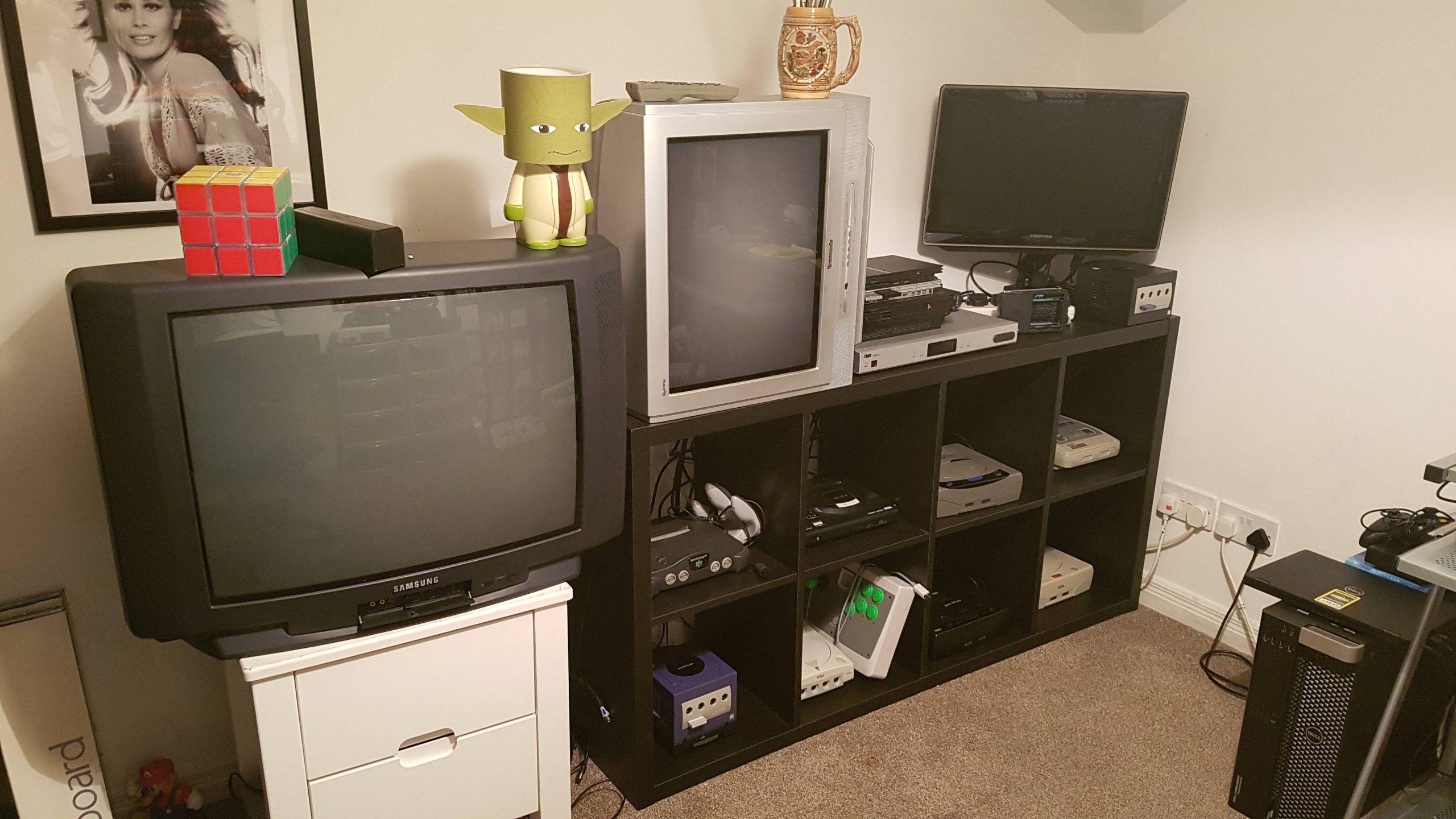
Good organization upgrades a retro gaming space more effectively than many expensive purchases. Vertical shelving, cable management systems, labeled storage bins, and dedicated controller racks all make setups easier to use while improving the room visually.
I ignored organization for years because I focused entirely on collecting more hardware. Eventually the clutter became frustrating enough that gaming sessions started feeling like work. Once I reorganized the room properly, the setup became far more inviting and practical without requiring massive additional spending.
Invest In Better Seating
Long retro gaming sessions expose bad seating immediately. Older games encourage marathon playthroughs, difficult boss attempts, and endless multiplayer sessions that can stretch deep into the night before anyone notices how long they have been sitting.
Comfortable seating changes the entire atmosphere of retro gaming. Recliners, ergonomic office chairs, floor gaming chairs, and compact couches all improve the experience dramatically depending on the setup style and available space.
One of the smartest upgrades I ever made involved replacing a stiff desk chair with a large cushioned recliner positioned beside a CRT television. Suddenly long RPG sessions became relaxing instead of physically exhausting. Retro gaming setups should encourage comfort because classic games often demand patience and time.
Improve Audio For A Bigger Impact
Retro audio deserves far more attention than it usually receives. Soundtracks from older games remain some of the most memorable in gaming history, yet weak television speakers flatten the experience badly.
Bookshelf speakers, compact sound systems, and quality headphones all elevate retro gaming significantly. Older consoles produced incredible music and atmospheric sound design that many players never fully appreciated through tiny built-in television speakers.
I rediscovered entire soundtracks after upgrading the audio portion of my setup properly. Sega Genesis games gained deeper intensity, Super Nintendo RPGs felt more cinematic, and arcade shooters suddenly carried far more energy during gameplay. Audio upgrades often feel subtle initially, but over time they completely reshape the emotional atmosphere surrounding retro games.
Wireless Controllers Modernize The Experience
Controller cables once felt unavoidable, but modern wireless retro controllers removed one of the biggest annoyances surrounding older gaming setups. Tangled cords, short cable lengths, and accidental disconnections no longer need to define retro gaming sessions.
Modern wireless controllers preserve classic layouts while adding rechargeable batteries and stronger connectivity. Multiplayer setups especially benefit because players gain freedom to move around comfortably without worrying about cable chaos stretching across the room.
I resisted wireless retro controllers initially because I worried about latency ruining older games. Once I tested modern low-latency options properly, though, the convenience became impossible to ignore. The games still felt authentic, yet the setup itself became dramatically easier to live with daily.
Lighting Changes The Mood Completely
Retro gaming thrives on atmosphere. Dim lighting, glowing CRT screens, and soft ambient illumination create environments that feel immersive and nostalgic in ways harsh overhead lighting never can.
LED shelf lighting, small lamps, and warm ambient light sources dramatically improve gaming rooms without requiring expensive renovations. Lighting also helps showcase consoles, cartridges, and boxed collections more effectively while reducing eye strain during late-night sessions.
One evening I switched off harsh ceiling lights entirely and relied only on shelf lighting and CRT glow during a long PlayStation RPG session. The room suddenly felt cinematic and deeply relaxing. Since then, lighting became one of the first things I focus on whenever improving a retro gaming space.
Use Flash Carts Carefully
Flash carts transformed retro gaming accessibility by allowing players to load massive libraries directly onto original hardware. They reduce wear on aging cartridges while simplifying game access dramatically.
Devices like EverDrives and other premium flash carts work beautifully for collectors who want convenience without abandoning authentic hardware. Fan translations, prototypes, and expensive rare titles also become far easier to experience through flash carts.
I still love physical collecting, but flash carts changed how often I actually played older systems. Instead of constantly swapping fragile cartridges, I could focus entirely on gaming itself. That convenience helped several retro consoles return to regular rotation instead of gathering dust on shelves.
Clean And Maintain Older Hardware
Retro hardware demands regular maintenance because these consoles were never designed to survive decades of use. Dust, oxidation, weak capacitors, and dirty cartridge pins slowly create reliability issues that worsen over time if ignored.
Basic cleaning supplies like microfiber cloths, compressed air, cotton swabs, and isopropyl alcohol help preserve consoles remarkably well. Preventative maintenance also reduces the likelihood of sudden hardware failure during important gaming sessions.
Opening older consoles for cleaning initially felt intimidating to me, especially rare systems with expensive replacement costs. Over time, though, maintenance became part of the hobby itself. Restoring aging hardware carries its own strange satisfaction because each repaired console feels rescued from slow decline.
Create Dedicated Zones
Retro gaming setups often become more functional once divided into smaller dedicated zones. One area might focus on CRT gaming, another on handheld systems, and another on modern HDMI-connected retro hardware.
This organization prevents setups from feeling overcrowded while allowing each section of the room to serve a specific purpose. Even smaller gaming spaces benefit from subtle separation between different styles of retro gaming.
I noticed this while reorganizing my own collection after years of stacking everything into one oversized entertainment center. Separating handheld systems from larger console setups instantly improved both accessibility and visual clarity throughout the room.
Upgrade Storage Before Expanding Collections
Many retro collectors focus entirely on acquiring more games while ignoring storage quality completely. Weak shelves, crowded drawers, and exposed cartridges eventually damage collections through poor organization and environmental exposure.
Strong shelving, plastic protectors, dust covers, and proper storage bins preserve collections while making them easier to display and access comfortably. Storage upgrades protect years of collecting effort far more effectively than endless expansion alone.
One poorly built shelf collapsing beneath heavy boxed games permanently changed how I treated retro storage. Since then, durable furniture and protective accessories became priorities rather than afterthoughts. Collections deserve protection equal to the passion invested into building them.
Reduce Clutter Ruthlessly
Retro gaming setups can quickly cross the line between cozy and overwhelming. Too many consoles, loose cables, duplicate accessories, and unnecessary decorations often make gaming rooms feel stressful rather than relaxing.
Minimalism improves many retro spaces dramatically. Rotating displayed consoles, storing unused hardware properly, and simplifying cable layouts all create cleaner and more enjoyable environments.
I spent years displaying almost everything I owned simultaneously because I loved seeing the collection grow visually. Eventually the room became exhausting to navigate. Removing unnecessary clutter made the remaining consoles and games stand out far more effectively while improving the overall atmosphere completely.
Personal Touches Matter Most
The best retro gaming setups rarely look identical because nostalgia itself feels deeply personal. Some players focus on arcade-inspired spaces with neon lighting and loud sound systems, while others prefer quiet corners built around handheld consoles and smaller CRT televisions.
Posters, collectibles, framed game art, custom shelving, and carefully selected furniture all shape the personality of a retro setup more than expensive hardware alone. The room should feel connected to personal gaming history rather than copied from online photos.
Some of my favorite retro spaces belonged to collectors with tiny rooms filled with personality and memories rather than massive collections. Authenticity comes from emotional connection, not square footage or hardware value.
Upgrade Gradually Instead Of Rushing
One mistake many retro enthusiasts make involves trying to overhaul entire setups immediately. Massive upgrades often become expensive, overwhelming, and difficult to maintain long term.
Gradual improvements work far better because each change reveals what the setup genuinely needs next. A better display might expose weak audio, improved seating could encourage longer sessions, and better organization may eliminate the need for additional furniture entirely.
My own retro setup evolved slowly over many years through small adjustments rather than massive redesigns. Looking back, those gradual changes created a far more comfortable and personal gaming space than any rushed overhaul ever could have achieved.
Final Thoughts
Retro gaming continues thriving because classic consoles still deliver unforgettable experiences filled with challenge, creativity, atmosphere, and personality. Upgrading a retro gaming setup does not mean stripping away the imperfections that made older gaming special. The goal is removing unnecessary frustrations while preserving the emotional connection tied to classic hardware and games.
How to upgrade your retro gaming setup ultimately depends on the type of experience you want from the hobby. Some players chase authentic CRT visuals and original hardware, while others prioritize convenience through modern adapters, wireless controllers, and organized HDMI setups. Both approaches can create incredible gaming spaces when handled thoughtfully.
The most rewarding upgrades often have little to do with raw technology alone. Comfortable seating, warm lighting, organized shelves, improved audio, and carefully maintained hardware all shape how retro gaming feels over long sessions. Years later, players rarely remember which adapter or cable they used. They remember the atmosphere, the comfort, the glow of the screen late at night, and the feeling of stepping back into worlds that somehow never stopped feeling timeless.