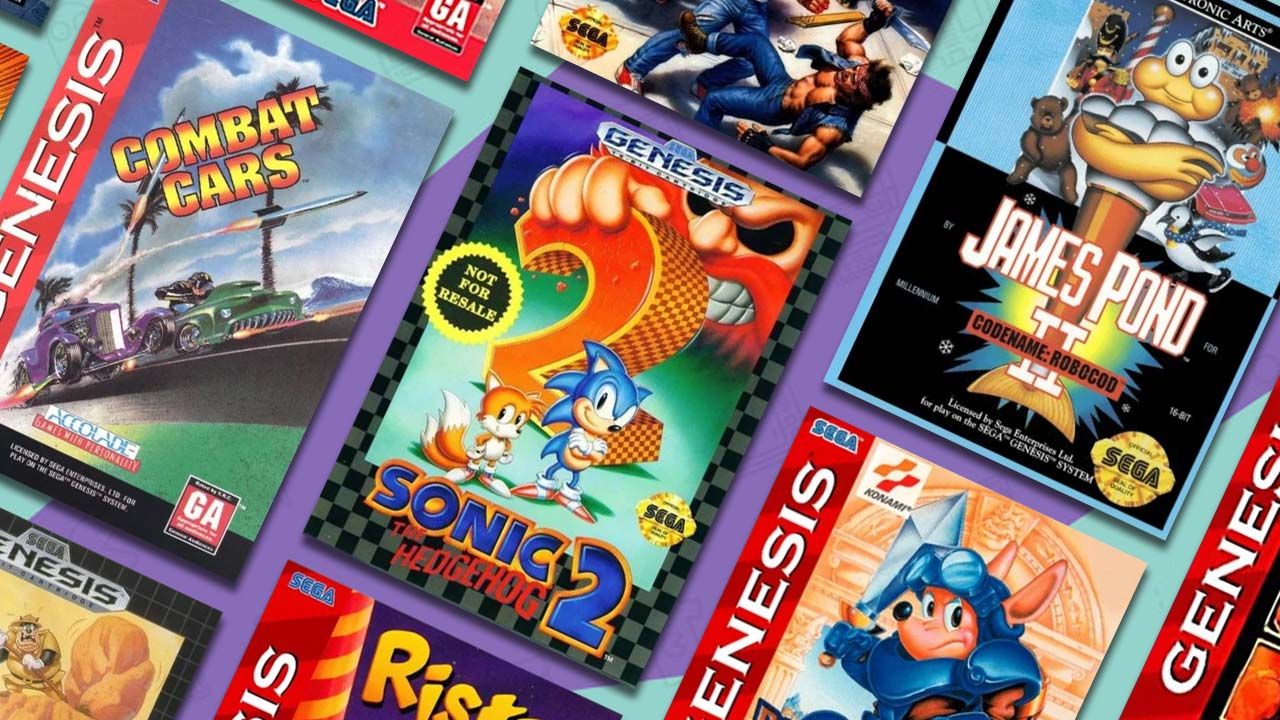
Black plastic cartridges, aggressive advertising campaigns, and blast processing defined an era when the Sega Genesis felt rebellious compared to its competition. Most retro gamers immediately remember massive hits like Sonic the Hedgehog, Streets of Rage, and Mortal Kombat whenever the console comes up in conversation. Those games earned their legendary status, but the Genesis library also hides dozens of overlooked titles that quietly delivered incredible gameplay without receiving the attention they deserved.
Some of the best experiences on the console never became household names because they launched at the wrong time, competed against bigger franchises, or simply disappeared beneath Sega’s crowded release schedule. Hidden gem Sega Genesis games nobody talks about still hold up remarkably well because strong gameplay, stylish presentation, and creative ideas matter more than popularity. Revisiting these forgotten classics often feels like discovering secret chapters of gaming history that somehow slipped through the cracks.
Rocket Knight Adventures Blended Speed and Creativity
Rocket Knight Adventures deserved far more attention than it received during the Genesis era. Sparkster’s rocket-powered movement instantly separated the game from standard platformers, turning traversal into a mix of precision and explosive momentum.
The level variety remains impressive even today. One moment the game plays like a traditional action platformer, and minutes later it transforms into a side-scrolling shooter or a giant mech battle. I always admired how unpredictable the adventure felt because the developers constantly introduced fresh mechanics before repetition could settle in.
Its animation and soundtrack also pushed the Genesis hardware beautifully. Enemies move with personality, explosions feel satisfying, and the energetic music gives the game nonstop momentum. Rocket Knight Adventures still feels polished enough to stand beside many of the console’s more famous releases.
Shadowrun Delivered a Cyberpunk RPG Ahead of Its Time
Shadowrun created one of the most immersive cyberpunk worlds on the Genesis despite limited hardware. Exploring futuristic streets filled with hackers, mercenaries, and shady corporations gave the game a dark atmosphere rarely seen on consoles during that era.
Its open-ended structure felt surprisingly ambitious. Players gather clues, upgrade equipment, and take on missions while slowly uncovering larger conspiracies. I remember spending hours wandering through neon-lit city areas just absorbing the mood and soundtrack.
Combat and hacking mechanics added strong variety as well. Gunfights feel tense, while cyberspace sequences introduce completely different gameplay styles. Modern cyberpunk games still borrow ideas that Shadowrun experimented with decades earlier.
Ranger-X Showed Off the Genesis Hardware
Ranger-X looked almost impossible for the Genesis to run smoothly. Massive explosions, fluid animation, and layered visual effects pushed the hardware far beyond what most players expected from the console.
Gameplay combines fast shooting with strategic movement in a way that still feels unique. Players control a heavily armed mech while managing fuel, mobility, and companion support systems simultaneously. That complexity creates gameplay depth rarely seen in action shooters from the early 1990s.
Its futuristic presentation also aged beautifully. Metallic environments, glowing energy effects, and detailed enemy designs give the game a stylish science fiction identity that still feels impressive today.
Beyond Oasis Mixed Action and Exploration Brilliantly
Beyond Oasis quietly became one of the strongest action RPGs on the Genesis, yet many retro gamers still overlook it completely. Fast combat, smooth animation, and colorful environments gave the adventure immediate appeal.
The elemental spirit system added creativity to exploration and combat. Summoning different spirits unlocked puzzle solutions while also introducing varied attack styles during battles. I always appreciated how each companion changed gameplay naturally instead of feeling like cosmetic additions.
The pacing also deserves praise because the game rarely wastes time. Dungeons remain focused, combat feels responsive, and progression moves quickly enough to maintain momentum throughout the adventure.
Alien Soldier Pushed Difficulty to Extremes
Alien Soldier arrived late in the Genesis lifespan and disappeared beneath larger releases, which feels unfortunate because the game remains astonishingly ambitious. Boss battles dominate the experience, creating nonstop high-intensity combat from beginning to end.
The movement system feels incredibly fast and technical. Sliding, hovering, dashing, and weapon switching require concentration, but mastering those mechanics becomes deeply satisfying. I still consider some of its boss fights among the most creative encounters on the Genesis.
Treasure designed the game with arcade intensity, and that energy remains obvious today. Explosions flood the screen constantly, enemies attack aggressively, and victory demands complete focus. Alien Soldier still feels surprisingly modern because of its relentless pacing.
Comix Zone Turned Comic Books Into Gameplay
Comix Zone embraced one of the most creative visual styles of the 16-bit era. Characters move between comic panels while speech bubbles and sound effects become part of the action itself.
Combat carries satisfying impact despite the game’s difficulty. Punches, kicks, weapons, and environmental interactions all feel responsive, which helps offset the brutal enemy encounters later in the adventure. I always loved how stylish the presentation remained even during chaotic fights.
Its soundtrack also perfectly captures the rebellious Sega atmosphere of the mid-1990s. Heavy rock music and gritty visuals give the game strong personality that still stands out today.
Crusader of Centy Deserved More Attention
Crusader of Centy often gets overshadowed by larger action RPG franchises, yet it delivers a surprisingly emotional and creative adventure. Talking with animals and gaining unique companion abilities creates an unusual sense of charm throughout the game.
The gameplay borrows inspiration from classic top-down adventures while adding its own ideas through animal powers and environmental puzzles. Different companions alter movement and combat mechanics in meaningful ways, encouraging experimentation constantly.
Its emotional storytelling also feels more thoughtful than many players expect initially. Themes involving humanity, nature, and communication give the narrative surprising depth beneath its colorful appearance.
Sub-Terrania Offered Brutal Physics-Based Gameplay
Sub-Terrania became notorious for its punishing difficulty and unusual physics system. Piloting a small ship through underground caverns requires precise control because momentum affects nearly every movement.
Fuel management adds constant tension to exploration. Players must rescue survivors, avoid hazards, and locate refueling stations while navigating dangerous environments filled with traps and enemies. That balancing act creates intense gameplay unlike most shooters from the era.
The game’s atmosphere remains memorable because of its isolated science fiction setting. Dark tunnels, industrial visuals, and eerie music combine into an experience that feels genuinely oppressive in the best possible way.
Haunting Starring Polterguy Embraced Weirdness
Haunting Starring Polterguy delivered one of the strangest concepts on the Genesis. Instead of controlling a hero, players become a mischievous ghost terrorizing an unsuspecting family through supernatural pranks.
Possessing furniture and household objects creates hilarious gameplay opportunities. Lamps explode, toilets attack, and kitchen appliances turn deadly while terrified family members panic across the house. I always appreciated how committed the game remained to its bizarre premise.
Its humor and originality still feel refreshing decades later. Few retro games embraced absurdity with this much confidence, which makes Haunting stand out even today.
El Viento Combined Horror and Action
El Viento mixed supernatural horror themes with fast-paced action in a way that felt distinct from other Genesis platformers. The game’s protagonist uses magical attacks and acrobatic movement to battle grotesque enemies across eerie environments.
The animation quality immediately stands out. Character movements feel fluid, enemies display impressive detail, and boss fights create memorable visual spectacle throughout the adventure.
Its soundtrack also deserves recognition for building atmosphere effectively. Dark melodies and tense action themes help the game maintain a unique identity that separates it from more colorful platformers of the era.
Mega Turrican Delivered Explosive Action
Mega Turrican pushed the Genesis hardware with enormous explosions, detailed environments, and frantic action sequences. The game constantly throws enemies, hazards, and giant bosses onto the screen without sacrificing smooth gameplay.
Weapon variety helps maintain excitement throughout long sessions. Lasers, spread shots, and powerful energy attacks allow players to adapt their strategies while battling increasingly dangerous enemy waves.
The level design also balances exploration and action surprisingly well. Hidden areas reward curiosity, while platforming sections provide breaks between intense firefights. Mega Turrican remains one of the strongest action games many Genesis fans still overlook.
Hidden Gem Sega Genesis Games Nobody Talks About Revealed Sega’s Creativity
The Genesis library thrived partly because Sega encouraged experimentation during the 16-bit era. Developers often embraced unusual concepts, darker themes, and arcade-inspired gameplay styles that differed heavily from Nintendo’s family-friendly image.
Many overlooked Genesis titles also benefited from stronger artistic identity. Developers relied on bold visuals, energetic soundtracks, and fast pacing to stand out in crowded store shelves. That focus on personality helped numerous hidden gems age surprisingly well.
Timing unfortunately hurt many of these releases. Late-generation games especially struggled for attention because newer consoles were already approaching the market. As a result, excellent titles disappeared quietly despite offering experiences equal to more famous competitors.
Retro Collectors Are Rediscovering Forgotten Classics
Modern retro gaming communities continue uncovering Genesis games that never received widespread recognition originally. Emulation, online discussions, and retro YouTube channels introduced younger audiences to titles that older players may have missed decades ago.
That renewed attention feels deserved because many hidden gems still play exceptionally well today. Strong controls, focused gameplay, and memorable presentation allow these games to compete surprisingly well against modern indie releases inspired by the same era.
I often find overlooked Genesis games more exciting than famous classics because discovery itself becomes part of the experience. Finding a forgotten cartridge that delivers incredible gameplay still creates a sense of surprise difficult to replicate with heavily discussed titles.
Why the Genesis Library Still Matters
The Sega Genesis represented a fascinating moment in gaming history where developers balanced arcade-style intensity with growing experimentation in storytelling and game design. Hidden gems from the console reveal how creative studios became while working within technical limitations.
Many modern indie developers continue borrowing heavily from Genesis-era aesthetics and gameplay philosophy. Pixel art, synth-heavy soundtracks, difficult action games, and fast-paced platformers all carry clear influences from the console’s best releases.
Hidden gem Sega Genesis games nobody talks about deserve recognition because they demonstrate how deep and diverse the Genesis library truly became. Beyond the blockbuster franchises existed dozens of imaginative titles that still hold tremendous value for retro gamers willing to explore further.
Final Thoughts
The Sega Genesis built its reputation through attitude, speed, and experimentation. While iconic franchises dominated magazine covers and commercials, countless lesser-known titles quietly delivered some of the most creative gameplay experiences of the 16-bit generation.
Hidden gem Sega Genesis games nobody talks about continue rewarding retro gamers because they capture the fearless energy that defined Sega during its peak years. Strange ideas, challenging gameplay, stylish presentation, and memorable soundtracks combined into experiences that still feel unique decades later.
Revisiting these overlooked classics often reminds me how much incredible content disappeared beneath the shadow of bigger franchises. Long after the console wars ended, those forgotten cartridges still deserve another chance to prove how special the Sega Genesis library really was.