A retro game room never truly feels complete until the shelves start filling with cartridges, consoles, controllers, and boxed classics from different gaming generations. Shelving shapes the entire atmosphere of a gaming space more than most collectors expect at first. Poor layouts make collections feel cramped and chaotic, while smart shelving transforms ordinary rooms into spaces that feel like personal gaming museums. The right setup also protects games from dust, sunlight, and accidental damage while making the collection easier to enjoy daily.
Retro collections grow faster than people anticipate. A few childhood cartridges eventually become overflowing bins of Nintendo games, stacks of Sega hardware, tangled controller drawers, and shelves barely holding everything together. Best Shelving Ideas for Retro Game Rooms matter because organization changes the entire collecting experience. Good shelving does more than store games. It creates personality, highlights favorite pieces, and turns retro gaming into something visually immersive the moment someone walks into the room.
Wall-to-Wall Shelves Create a Museum Feel
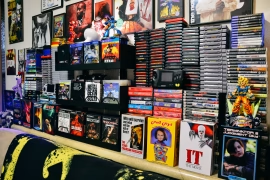
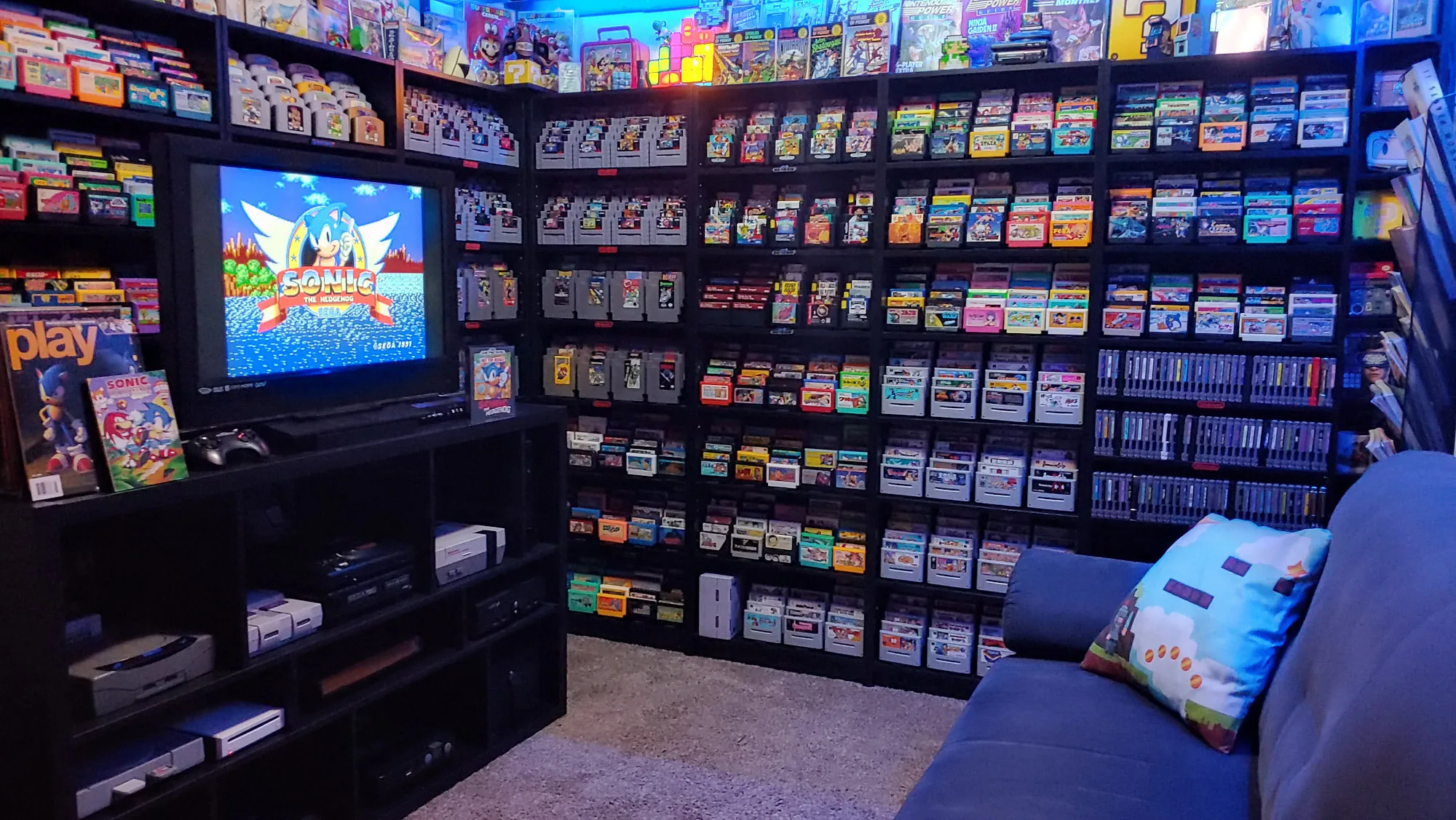
Large wall shelving instantly changes the energy of a retro game room. Seeing entire walls covered with colorful cartridges, boxed systems, and classic accessories creates the kind of visual impact most collectors dream about. Wall-to-wall setups also maximize space efficiently while giving collections room to expand gradually over time.
The Nintendo Entertainment System and Super Nintendo Entertainment System libraries look especially impressive across wide shelves because cartridge labels create long rows of recognizable gaming history. Seeing hundreds of titles lined together transforms simple storage into visual storytelling.
I still remember the moment I replaced scattered storage bins with proper wall shelving years ago. The collection suddenly felt real for the first time instead of hidden clutter stacked around the room. Walking inside afterward felt completely different because the games finally became part of the room’s identity.
Adjustable Shelving Helps Collections Grow Naturally
Fixed shelves often create frustrating spacing problems once collections expand into multiple gaming generations. Cartridge sizes, console boxes, and accessories vary dramatically depending on the platform, making adjustable shelving one of the smartest long-term solutions for retro rooms.
The Sega Saturn and PlayStation libraries especially benefit from adjustable shelves because jewel cases require different spacing than cartridge-based systems. Handheld collections also need completely different dimensions compared to boxed consoles or arcade sticks.
I underestimated adjustable shelving completely during my early collecting years. After reorganizing shelves repeatedly to fit new additions, I realized flexibility mattered far more than aesthetics alone. Collections evolve constantly, so shelving should evolve alongside them instead of fighting against growth.
Cube Shelves Work Surprisingly Well for Consoles
Cube shelving became incredibly popular among retro collectors because of its versatility and clean presentation. Individual compartments naturally separate consoles, controllers, and game libraries into organized sections without making rooms feel overcrowded.
Systems like the Nintendo GameCube and Dreamcast fit especially well inside cube-style shelving because the compartments provide enough depth for hardware while maintaining clean visual organization.
I enjoy cube shelving because it creates structure without feeling too rigid. Each section almost feels like its own mini exhibit dedicated to a specific console generation. That separation also makes reorganizing collections much easier later.
Floating Shelves Add Personality to Smaller Rooms
Not every retro collector has access to giant gaming basements or dedicated arcade rooms. Smaller bedrooms and apartments benefit enormously from floating shelves because they maximize wall space without overwhelming the room physically.
Floating shelves work especially well for displaying favorite items rather than entire collections. Boxed games, handheld systems, statues, and limited-edition consoles instantly gain more visual attention once elevated separately from crowded storage areas.
I added floating shelves above my CRT television setup years ago mainly to display boxed Nintendo 64 games and collectible controllers. The shelves changed the entire room atmosphere despite occupying very little space overall. Strategic display placement matters more than sheer quantity sometimes.
Media Shelves Fit Cartridge Collections Perfectly
Slim media shelves designed originally for DVDs and CDs became retro collecting favorites because they fit cartridge collections surprisingly well. Narrow shelves prevent games from disappearing into deep storage spaces while maximizing visible display area.
The Game Boy Advance and Nintendo DS libraries look fantastic on slim shelving because handheld cartridges and cases remain fully visible without wasting unnecessary depth.
I switched several shelves to media-style units after realizing deeper furniture caused constant clutter behind visible rows. Narrow shelves made browsing collections dramatically easier while improving the overall appearance instantly.
Glass Cabinets Elevate Rare Display Pieces
Certain retro items deserve more focused presentation than ordinary open shelving provides. Rare boxed games, limited-edition consoles, prototypes, and valuable accessories often look far more impressive inside glass cabinets with proper lighting.
Glass cabinets also provide extra protection against dust buildup and accidental handling. The Sega Genesis and TurboGrafx-16 collections I have seen displayed this way often resemble museum exhibits more than personal hobby rooms.
One collector I visited displayed rare imports and factory-sealed games inside illuminated cabinets beside arcade signage and promotional material. The setup transformed the room completely because certain pieces gained the spotlight they deserved instead of blending into crowded shelves.
Corner Shelving Maximizes Awkward Spaces
Corners often become wasted dead zones inside retro gaming rooms unless shelving uses them properly. Corner shelves help smaller rooms feel more efficient while opening additional display opportunities for accessories and consoles.
Retro hardware displays work especially well in corners because consoles naturally draw attention once connected to CRT televisions or display lighting. The PlayStation 2 and Xbox generations benefit greatly from corner setups because those systems often involve larger accessories and controller collections.
I started using corner shelving after running out of wall space entirely. The change unexpectedly improved room flow because awkward empty spaces suddenly became active display areas instead of forgotten corners gathering dust.
Open Shelves Make Collections Feel Alive
Closed cabinets provide protection, but open shelving creates energy inside retro gaming rooms. Visible cartridges, controllers, and consoles immediately invite interaction while giving the room a more authentic lived-in atmosphere.
I personally prefer open shelving for most of my collection because retro games should feel accessible rather than locked away permanently. Seeing rows of colorful cartridges beside connected hardware makes me want to play the games regularly instead of treating them like untouchable artifacts.
The Nintendo Entertainment System especially benefits visually from open shelving because cartridge labels create such recognizable visual patterns instantly. The room starts feeling like a retro game store from decades ago.
Dedicated Controller Storage Reduces Clutter
Controller clutter destroys clean retro room setups surprisingly quickly. Tangled cords, stacked accessories, and loose arcade sticks create visual chaos even inside otherwise organized collections. Dedicated controller shelving dramatically improves room appearance while protecting hardware from unnecessary wear.
Hooks, baskets, drawer organizers, and wall mounts all help depending on the size of the collection. Systems like the Nintendo 64 generate especially noticeable clutter because of bulky controller shapes and colorful variations.
I ignored controller organization for years until cords started tangling constantly behind shelves and televisions. Once proper storage entered the room, everything suddenly looked cleaner and easier to access immediately.
Shelving Around CRT Televisions Creates Authentic Atmosphere
CRT televisions naturally become the centerpiece of most serious retro gaming rooms. Building shelving layouts around CRT setups creates a stronger visual identity while making the room feel more cohesive overall.
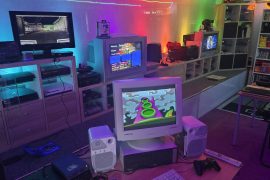
Shelves surrounding CRT televisions can display cartridges, controllers, strategy guides, and matching consoles all within easy reach. The glow of a CRT surrounded by retro hardware instantly transforms the atmosphere into something modern setups rarely replicate successfully.
One of my favorite gaming room layouts placed a large CRT directly between towering shelves filled with Super Nintendo Entertainment System and Sega Genesis collections. The arrangement felt immersive because the games surrounded the active play space completely.
Mix Display Pieces With Functional Storage
Rooms filled entirely with uniform game rows sometimes feel sterile despite impressive collections. Mixing display pieces with functional storage creates stronger personality and visual variety inside retro spaces.
Posters, statues, strategy guides, arcade sticks, boxed consoles, and promotional materials all break up repetitive shelving patterns effectively. Collections start feeling curated rather than simply stacked once visual variety enters the layout intentionally.
I started adding framed magazine covers, handheld displays, and small gaming memorabilia between cartridge rows after realizing my shelves looked too uniform. The room immediately felt warmer and more personal afterward.
Lighting Changes the Entire Shelf Presentation
Good lighting completely transforms retro shelving displays. Warm LED strips, display lights, and indirect lighting make collections feel dramatic without exposing games to harmful direct sunlight constantly.
Lighting works especially well with translucent hardware and colorful cartridges. The Game Boy Color and Dreamcast setups I have seen under soft lighting often look incredible because the hardware colors stand out much more vividly.
I underestimated lighting for years because I focused mainly on storage practicality. After adding subtle shelf lighting later, the collection suddenly felt more alive at night. Small lighting adjustments created one of the biggest visual improvements in the entire room.
Leave Space for Future Additions
One of the smartest shelving decisions any retro collector can make involves planning for future growth. Collections almost always expand beyond original expectations eventually, especially once collectors start exploring additional systems or boxed games.
Completely packed shelves may look satisfying temporarily, but overcrowding creates long-term frustrations quickly. Games become difficult to access safely, while visual clutter starts overwhelming the room itself.
I always leave open shelf space now because retro collecting rarely stays static for long. Empty areas may seem unnecessary initially, but they quickly disappear once new consoles, imports, and accessories start arriving regularly.
Final Thoughts
Best Shelving Ideas for Retro Game Rooms go far beyond simple organization. Shelving shapes how collections feel emotionally, visually, and functionally every single day. Great retro rooms balance accessibility, personality, preservation, and visual impact without turning the space into cluttered storage.
The best setups always reflect the collector behind them rather than following rigid design rules. Some rooms thrive through massive wall shelving packed with cartridges, while others feel more intimate through carefully curated displays and focused console stations. Personal taste matters far more than chasing perfect showroom aesthetics.
Retro gaming rooms should feel inviting, nostalgic, and alive with gaming history. Good shelving turns scattered collections into spaces people genuinely want to spend time inside. Walking into a well-designed retro room surrounded by favorite consoles, glowing CRT televisions, and shelves filled with classic games still creates excitement that never really fades.