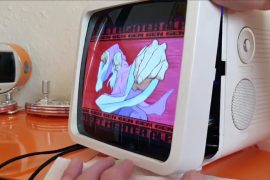
Pixel art was never meant to look blurry. Old consoles produced sharp sprites, vivid colors, and detailed backgrounds that often disappeared behind weak composite video connections and low-quality television setups. Many players grew up accepting fuzzy visuals and color bleed simply because that was the standard household setup at the time. Only years later did retro enthusiasts begin realizing how much visual detail classic systems were actually capable of delivering.
RGB cables changed retro gaming completely for me. The difference felt so dramatic that several consoles suddenly looked generations ahead of what I remembered from childhood. Sharper text, cleaner colors, improved contrast, and reduced visual noise transformed familiar games into something almost new again. After years spent testing different retro display setups across CRT televisions, upscalers, capture hardware, and modern screens, I realized the best RGB cables for classic gaming systems are among the most important upgrades any retro enthusiast can make.
Composite Video Hid The True Quality Of Retro Games
Most retro players originally experienced consoles through composite cables because they came packaged with the hardware by default. Composite video combined all visual information into a single signal, which introduced color bleeding, blurry edges, and visible interference.
At the time, those limitations simply felt normal. Smaller CRT televisions masked many imperfections naturally, and players focused more on gameplay than image quality. Modern displays, however, expose composite video weaknesses immediately.
The first time I compared composite output directly beside RGB on a Super Nintendo, the difference shocked me. Fonts suddenly looked readable, sprites gained sharper outlines, and colors stopped bleeding into one another. Games I had played for decades suddenly appeared cleaner and more detailed than I ever remembered.
RGB Preserves The Original Signal Properly
RGB works differently because it separates red, green, and blue color information into distinct signals rather than compressing everything together. That cleaner transmission preserves image quality dramatically better than composite video ever could.
Retro consoles capable of RGB output often produce stunning visuals once paired with quality cables and compatible displays. Pixel art becomes sharper, scrolling appears cleaner, and small background details finally emerge properly.
One evening spent replaying old Sega Genesis shooters through RGB cables completely changed my perspective on retro visuals. The sharpness felt almost arcade-like compared to the muddy composite setup I had used for years previously.
SCART Became The Retro Gaming Standard
Within retro gaming circles, SCART connections earned legendary status because they handle RGB signals beautifully while supporting many classic European display standards naturally. High-quality SCART cables remain essential for serious retro setups today.
SCART setups especially shine when paired with CRT televisions and premium upscalers because they preserve image integrity with minimal interference. Proper shielding and cable construction matter enormously for maintaining clean RGB output.
My first fully wired SCART setup took time and patience to assemble properly, but the final result made the effort worthwhile immediately. Retro games finally displayed with the clarity and color depth I had unknowingly missed for decades.
Cheap RGB Cables Cause Serious Problems
Not all RGB cables perform equally. Budget cables frequently introduce buzzing audio, checkerboard interference, weak shielding, and unstable video signals that ruin the very improvements RGB should provide.
Poor manufacturing quality becomes especially noticeable on larger CRT displays and modern upscalers because visual imperfections stand out aggressively once image quality improves elsewhere in the setup.
I learned this lesson painfully after purchasing several cheap RGB cables online that looked acceptable initially but introduced strange visual noise during gameplay. Replacing them with properly shielded cables solved the problems instantly and revealed how important cable quality truly becomes in retro setups.
HD Retrovision Changed Component Gaming
HD Retrovision became one of the most respected names in retro video accessories because their component cables delivered exceptional image quality without requiring complicated SCART setups.
Their cables convert RGB signals internally into high-quality component video compatible with many CRT televisions and modern capture setups. This approach simplified retro gaming significantly for players lacking SCART-compatible displays.
The first time I tested HD Retrovision cables on a Genesis setup, the image quality rivaled some of the best SCART solutions I had previously used. The convenience factor alone made them feel revolutionary for many retro enthusiasts.
Sega Genesis Benefits Enormously From RGB
The Sega Genesis remains one of the most visually transformed consoles once RGB enters the picture. Composite video often exaggerates the Genesis color palette harshly while introducing heavy visual artifacts.
RGB output cleans the image dramatically while preserving the bold arcade-inspired visuals Sega games became famous for during the 16-bit era. Fast shooters and colorful platformers especially benefit from sharper presentation.
Several Genesis games I considered visually rough suddenly looked fantastic through RGB cables. Sonic backgrounds gained texture, arcade ports appeared cleaner, and text-heavy RPG menus became dramatically easier to read.
Super Nintendo RGB Looks Beautiful
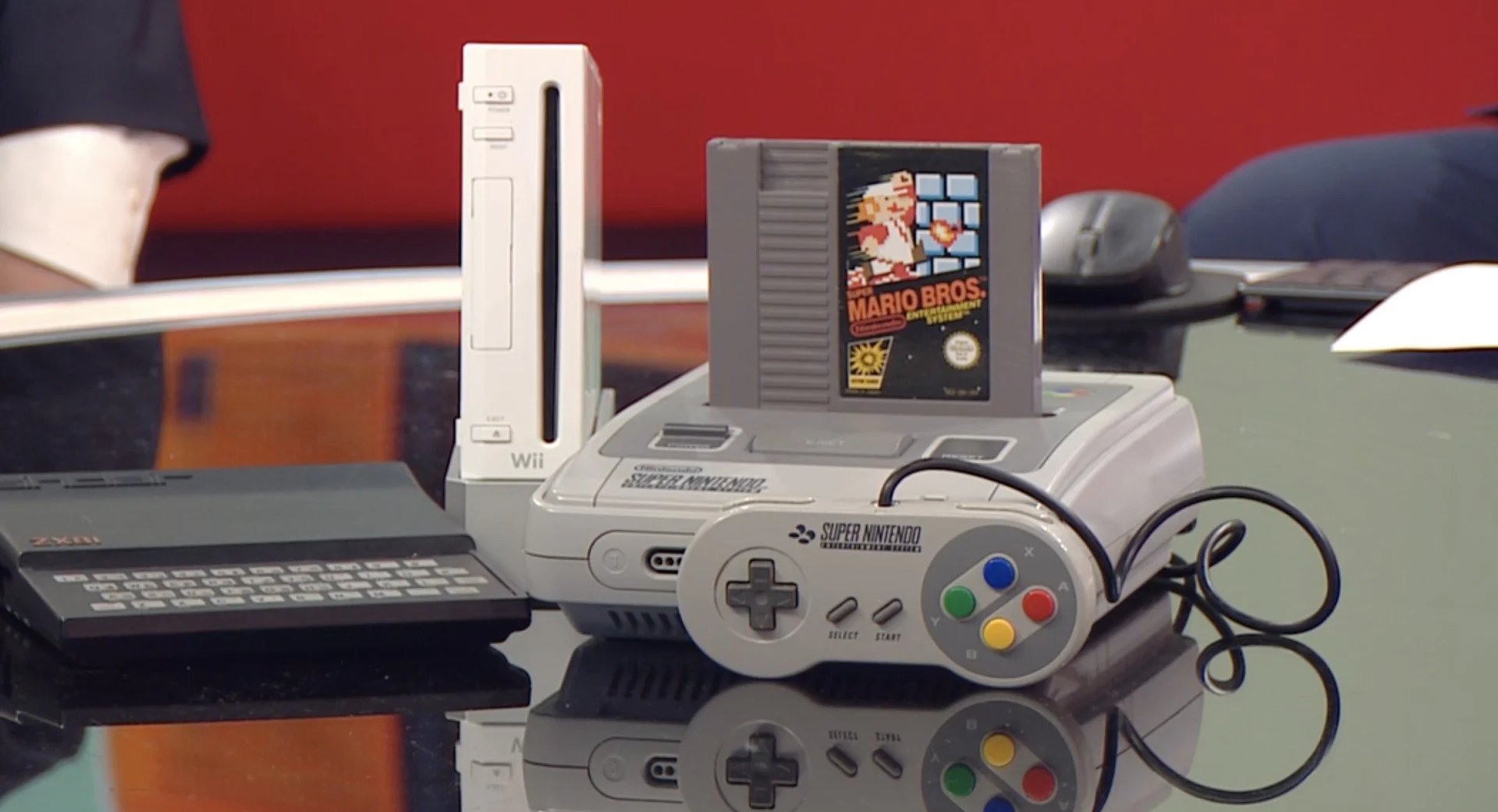
The Super Nintendo Entertainment System already carried gorgeous sprite work and vibrant color design, but RGB output elevates those visuals even further by reducing blur and preserving fine detail.
Nintendo’s pixel art suddenly gains incredible sharpness through RGB connections. RPGs especially benefit because text boxes, battle effects, and background artwork appear cleaner and more expressive.
One long evening spent replaying Chrono Trigger through RGB output genuinely felt emotional because the game looked closer to how my memory always imagined it rather than how composite video actually displayed it originally.
PlayStation RGB Improves 3D Graphics
Early 3D consoles often receive criticism for visual roughness, but RGB cables significantly improve the appearance of PlayStation-era graphics by sharpening edges and stabilizing colors.
The PlayStation especially benefits because many games rely heavily on detailed textures and atmospheric lighting that composite video muddies badly.
Silent Hill, Resident Evil, and Gran Turismo all looked dramatically cleaner once I upgraded the PlayStation setup properly with RGB equipment. The visuals retained their gritty character while gaining much-needed clarity and stability.
Shielding Matters More Than Most People Realize
High-quality shielding separates premium RGB cables from weaker alternatives. Poor shielding allows interference from nearby electronics and power sources to contaminate video and audio signals.
Retro setups often involve crowded entertainment centers filled with consoles, adapters, speakers, and power bricks. Weakly shielded cables struggle badly in those environments, producing visual noise and humming audio.
I spent weeks troubleshooting strange interference patterns in one retro setup before discovering the real culprit involved poorly shielded RGB cables positioned near power adapters. Better cables eliminated the issue immediately.
Audio Quality Deserves Equal Attention
Retro enthusiasts often focus entirely on video quality while overlooking how heavily cable quality affects audio performance as well. Cheap RGB cables frequently introduce buzzing, hissing, or imbalanced stereo sound.
Classic game soundtracks deserve clean audio because retro music remains one of gaming’s greatest artistic achievements. High-quality RGB cables preserve stereo separation and reduce interference significantly.
Hearing cleaner Sega CD and PlayStation audio through better cables genuinely improved my appreciation for several soundtracks I thought I already knew intimately. Strong audio completes the retro presentation far more than people sometimes realize.
RGB Upscalers Open Modern Possibilities
Modern televisions rarely support native RGB or SCART connections directly, which pushed retro enthusiasts toward specialized upscalers capable of converting RGB signals into clean HDMI output.
Devices like the RetroTINK and OSSC became hugely popular because they preserve RGB sharpness beautifully while maintaining low latency for modern displays and capture setups.
Combining quality RGB cables with a premium upscaler transformed my entire retro setup into something flexible enough for both CRT gaming and modern flat-panel displays. Suddenly older consoles felt completely at home in modern living spaces.
Nintendo 64 Requires Extra Work
Unlike many retro systems, the Nintendo 64 often requires hardware modification before native RGB output becomes possible. That limitation frustrated many retro enthusiasts initially because the console’s visuals benefit heavily from cleaner video output.
Modified Nintendo 64 systems paired with RGB cables finally reveal sharper textures and cleaner colors hidden beneath muddy composite video. Fast multiplayer games especially look more stable and visually appealing afterward.
The first RGB-modded Nintendo 64 I tested completely changed how I viewed the console visually. Mario Kart tracks gained clarity, GoldenEye environments looked cleaner, and the entire system suddenly appeared far more polished overall.
RGB Feels Closest To Arcade Hardware
Many classic home consoles aimed specifically to recreate arcade experiences in living rooms. RGB output helps fulfill that goal because arcade cabinets themselves often relied on RGB video standards internally.
Fighting games, shooters, and arcade ports especially benefit because RGB sharpness restores some of the clean visual intensity associated with actual arcade monitors.
Late-night arcade sessions through RGB-equipped CRT setups still produce an atmosphere difficult to replicate elsewhere. The image feels alive, colorful, and sharply defined in ways composite video never fully captured.
Cable Length Can Affect Quality
Retro setups sometimes require unusually long cable runs between consoles, switches, upscalers, and displays. Excessive cable length can degrade RGB signals noticeably if cable quality falls short.
Shorter, properly shielded cables generally preserve cleaner signals with fewer interference issues. Cable management also becomes easier once unnecessary length disappears from the setup.
I gradually shortened several RGB cable paths throughout my gaming room after noticing subtle image improvements and reduced visual noise afterward. Small setup optimizations often produce surprisingly meaningful results over time.
Retro Collectors Eventually Notice The Difference
Many retro players begin their hobby perfectly satisfied with composite video because nostalgia itself carries enormous emotional weight. Over time, though, curiosity usually leads toward better display solutions and cleaner video standards.
Once RGB enters the setup properly, returning to composite becomes surprisingly difficult. The increased sharpness and color stability quickly become impossible to ignore during regular gameplay sessions.
Several friends initially dismissed RGB upgrades as obsessive enthusiast behavior until seeing the difference in person firsthand. Nearly all of them eventually upgraded their own retro setups afterward because the improvement felt immediately obvious.
Final Thoughts
Retro gaming continues thriving because classic consoles still deliver unforgettable gameplay, atmosphere, and artistic personality decades after release. RGB cables help preserve those experiences properly by revealing the visual quality older hardware always possessed beneath weaker default connections.
The best RGB cables for classic gaming systems combine strong shielding, stable signal quality, clean audio handling, and durable construction into upgrades that dramatically improve retro presentation across CRT televisions, upscalers, and modern displays alike.
Some upgrades change convenience, while others change comfort. RGB changes perception itself. Familiar games suddenly regain sharpness, color depth, and visual clarity that many players never realized existed originally. Long after the consoles power down and the CRT glow fades from the room, the memory of seeing classic games through proper RGB for the first time tends to linger permanently.