Arcade cabinets once echoed with screeching tires, digitized announcers, and the frantic tapping of accelerator pedals while players fought desperately for first place. Home consoles soon brought that excitement into living rooms, turning split-screen races and time trials into unforgettable weekend rituals. Long before realistic physics engines and massive online lobbies became standard, retro racing games captured players through speed, style, and pure arcade energy.
Many of those classic racers still feel surprisingly fun because they focused less on realism and more on excitement. Bright tracks, exaggerated drifting, unforgettable soundtracks, and chaotic multiplayer sessions created memories that lasted far beyond the hardware itself. The best retro racing games for pure nostalgia continue pulling players back decades later because they represent an era where racing games prioritized personality and immediate fun above everything else.
Mario Kart 64 Perfected Multiplayer Chaos
Mario Kart 64 became one of the defining multiplayer experiences of the late 1990s because it balanced competition and unpredictability brilliantly. Tight races could collapse instantly after one blue shell, which created hilarious frustration and dramatic comebacks constantly.
Rainbow Road remains one of the most iconic tracks in gaming history. The glowing neon rails, floating Chain Chomps, and unforgettable music gave the course an atmosphere that still feels magical today. I can still picture crowded living rooms erupting with screams whenever someone got knocked off the edge near the final stretch.
Battle Mode also deserves enormous credit for the game’s lasting popularity. Friends hunted each other across compact arenas while protecting balloons desperately, turning casual gatherings into loud competitions that lasted for hours.
OutRun Defined Arcade Cool
OutRun captured freedom and style better than almost any racing game from the arcade era. Driving a Ferrari along sunny coastlines while synth-heavy music blasted through arcade speakers created an unforgettable atmosphere.
The branching route system added replay value naturally. Different paths introduced unique scenery, traffic patterns, and difficulty levels, which encouraged players to experiment constantly during repeat sessions.
Its visuals also felt revolutionary during the 1980s. Smooth scaling effects and colorful environments gave the illusion of speed in ways that stunned arcade audiences at the time. Even today, OutRun still feels stylish rather than outdated.
Need for Speed: Hot Pursuit Delivered Adrenaline
Need for Speed III: Hot Pursuit transformed police chases into one of the most thrilling experiences in retro racing history. Escaping roadblocks and high-speed pursuits created tension that standard circuit racing often lacked.
The soundtrack amplified the excitement perfectly. Electronic music combined with roaring engines and police sirens to create nonstop adrenaline throughout each race.
I always loved how dangerous the roads felt. Civilian traffic, aggressive opponents, and pursuing police cars turned races into chaotic survival challenges rather than simple laps around predictable tracks.
Daytona USA Captured the Spirit of Arcades
Daytona USA became legendary because of its energy and personality. Loud announcers, bright visuals, and exaggerated drifting mechanics gave the game an atmosphere that immediately stood out inside crowded arcades.
The controls felt simple yet satisfying. Sliding around corners at impossible speeds while hearing tires screech across the track created an addictive rhythm that encouraged endless retries.
Its soundtrack also remains iconic among retro racing fans. Catchy vocal tracks and upbeat music transformed races into energetic spectacles that still trigger instant nostalgia decades later.
F-Zero X Delivered Pure Speed
F-Zero X pushed speed to absurd levels while maintaining incredibly smooth gameplay on the Nintendo 64. Racing through twisting futuristic tracks at extreme velocity created a sense of intensity few games could match.
The large racer count made competitions feel chaotic constantly. Explosions, collisions, and aggressive AI opponents turned races into high-speed battles where survival mattered as much as precision driving.
Its soundtrack perfectly matched the aggressive pacing. Heavy rock music and futuristic visuals combined into an experience that still feels exhilarating today.
Ridge Racer Made Drifting Feel Addictive
Ridge Racer became synonymous with stylish arcade drifting during the early PlayStation era. Sliding smoothly through corners felt incredibly satisfying once players mastered the timing and rhythm of each track.
The game’s visual style also helped define 1990s arcade racing aesthetics. Bright cityscapes, flashy lighting, and energetic music gave races a sleek atmosphere that contrasted sharply with realistic simulators.
I still admire how approachable the gameplay feels. New players can enjoy the speed immediately, while experienced racers continue refining drifting techniques for faster lap times.
Wave Race 64 Showed Off Incredible Water Physics
Wave Race 64 stunned players through water physics that felt almost impossible during the Nintendo 64 era. Waves constantly shifted beneath jet skis, making races feel dynamic and unpredictable.
Weather conditions dramatically changed gameplay as well. Calm water allowed smooth control, while stormy environments created brutal waves that demanded precision and quick reactions.
The atmosphere remains one of the game’s greatest strengths. Sunsets reflecting across water surfaces and crashing waves created a relaxing yet competitive experience unlike traditional racing games.
Crazy Taxi Turned Speed Into Chaos
Crazy Taxi abandoned traditional racing structure entirely in favor of chaotic arcade driving through busy city streets. Picking up passengers and racing against the clock created nonstop momentum from start to finish.
The soundtrack became inseparable from the experience. Punk rock tracks blasted constantly while players drifted recklessly through traffic and launched taxis across hills at impossible speeds.
Its exaggerated gameplay still feels refreshing today. Few racing games embrace pure arcade insanity with the same confidence and energy as Crazy Taxi.
Top Gear Became a 16-Bit Classic
Top Gear captured the imagination of countless Super Nintendo owners through fast gameplay and unforgettable music. Split-screen multiplayer turned simple races into intense sibling rivalries during the 1990s.
Fuel management added an extra layer of strategy rarely seen in arcade racers. Deciding when to pit while maintaining speed created tension throughout longer races.
Its soundtrack deserves enormous praise because the music remains legendary among retro fans. High-energy compositions gave races excitement far beyond what many players expected from 16-bit hardware.
Burnout 3: Takedown Perfected Aggressive Racing
Burnout 3: Takedown transformed reckless driving into an art form. Slamming opponents into walls, causing massive crashes, and boosting through traffic at dangerous speeds created nonstop excitement.
Crash physics became part of the entertainment itself. Spectacular wrecks sent debris flying across roads while slow-motion camera angles highlighted the destruction dramatically.
I still consider Burnout 3 one of the most satisfying arcade racers ever made because aggression felt rewarding instead of punishing. The game encouraged chaos constantly, and that design philosophy made it unforgettable.
Best Retro Racing Games for Pure Nostalgia Captured Simpler Joys
Retro racing games often focused on immediate entertainment instead of complicated progression systems or hyper-realistic simulation. Players could jump into races quickly without needing extensive tutorials or customization menus.
That accessibility made racing games perfect for gatherings and casual gaming sessions. Friends competed instantly, passed controllers around naturally, and demanded rematches constantly because the gameplay remained easy to enjoy.
Many retro racers also embraced exaggerated design intentionally. Unrealistic drifting, impossible speeds, and colorful environments created stronger emotional memories than realism alone ever could.
Arcades Helped Shape Racing Game Culture
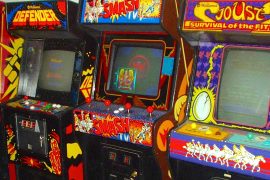
Arcades played a massive role in popularizing racing games during the 1980s and 1990s. Sit-down cabinets, steering wheels, pedals, and booming speakers turned races into physical experiences rather than simple button presses.
Crowded arcades amplified the excitement further. Watching skilled players dominate tracks often inspired spectators to challenge high scores themselves. I still remember how intimidating some arcade racers felt because local experts gathered crowds around machines regularly.
Those environments helped racing games become social experiences. Competition happened face to face, which created rivalries and memories difficult to replicate online.
Split-Screen Multiplayer Created Lasting Memories
Retro racing games thrived partly because local multiplayer became central to the experience. Split-screen races filled rooms with shouting, trash talk, and celebrations that made victories feel personal.
Passing controllers between races also kept everyone involved continuously. Even eliminated players stayed engaged because matches moved quickly and rematches happened almost instantly.
Modern online multiplayer offers convenience, but retro split-screen sessions created a completely different atmosphere. Shared reactions, direct competition, and crowded couches made racing games feel far more social and energetic.
Soundtracks Became Part of the Nostalgia
Music played a huge role in defining retro racing games. Synth-heavy tracks, rock anthems, and upbeat electronic music created emotional connections that players still remember decades later.
Certain songs instantly transport players back into specific tracks and racing moments. Hearing OutRun music or Daytona USA vocals still triggers vivid memories for many retro fans because the soundtracks became inseparable from the gameplay itself.
The best retro racing games for pure nostalgia understood how strongly audio could shape excitement and atmosphere. Great music transformed simple races into unforgettable experiences.
Why Retro Racing Games Still Matter
Modern racing games often prioritize realism, detailed car customization, and online competition. Retro racers usually chased excitement first, which allowed developers to experiment more creatively with speed, visuals, and gameplay mechanics.
That arcade-first mentality helped many classics age remarkably well. Tight controls, memorable tracks, and accessible gameplay remain enjoyable regardless of graphical limitations.
I still revisit retro racing games because they capture a specific type of fun that modern simulators sometimes overlook. Speed feels thrilling, competition feels immediate, and the atmosphere remains endlessly replayable.
Final Thoughts
Retro racing games captured excitement through speed, style, and social competition during an era when gaming felt wonderfully experimental. Arcades buzzed with energy, living rooms filled with split-screen rivalries, and unforgettable soundtracks blasted through televisions while players chased victory late into the night.
The best retro racing games for pure nostalgia continue holding legendary status because they focused on emotion rather than realism alone. Bright visuals, exaggerated mechanics, and fast-paced gameplay created memories that still resonate strongly decades later.
Long after CRT televisions disappeared and arcade cabinets faded from shopping malls, these racing classics remain powerful reminders of how thrilling simple gameplay could feel. Those screeching tires, dramatic crashes, and chaotic multiplayer sessions still represent some of the most joyful moments retro gaming ever produced.