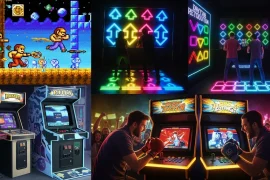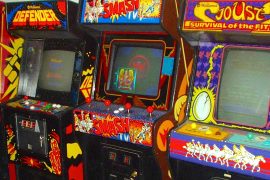
Pizza boxes stacked beside glowing CRT televisions once set the stage for some of the best gaming memories imaginable. Long before online matchmaking and voice chat became standard, multiplayer gaming meant sitting shoulder to shoulder with friends while arguing over controllers, celebrating lucky wins, and demanding immediate rematches after painful losses. Those moments felt louder, more personal, and far more chaotic than most modern online sessions.
Retro multiplayer games still thrive during game nights because they focus on immediate fun instead of endless progression systems. Most classics are easy to learn within minutes, which means newcomers can join quickly without lengthy tutorials slowing down the energy in the room. The best multiplayer retro games for game night continue delivering unforgettable competition and cooperative chaos decades after their release because strong social gameplay never becomes outdated.
Mario Kart 64 Still Creates Instant Rivalries
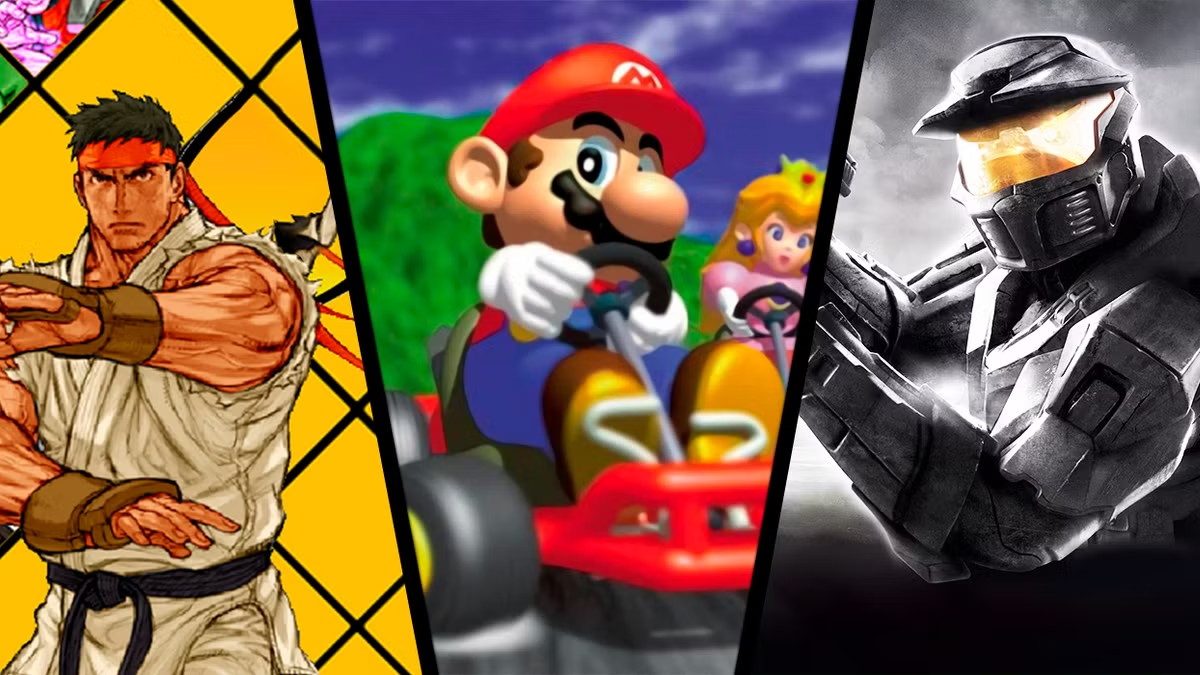
Mario Kart 64 remains one of the greatest party games ever created because it balances skill and unpredictability perfectly. Experienced players may dominate corners and drifting techniques, but one well-timed blue shell can destroy a perfect race instantly. That chaos keeps matches entertaining for everyone in the room.
Battle Mode often becomes even more competitive than standard racing. Hunting opponents across compact arenas while protecting balloons creates tense moments filled with shouting, trash talk, and revenge strategies. I have seen friendships temporarily collapse over stolen victories in Block Fort more times than I can count.
Its controls also aged remarkably well. Anyone can understand acceleration, drifting, and item usage within minutes, which makes the game ideal for casual gatherings. Even people who rarely play games usually end up demanding one more race before the night ends.
GoldenEye 007 Turned Living Rooms Into Battlefields
GoldenEye 007 transformed multiplayer gaming permanently during the Nintendo 64 era. Four-player split-screen matches became instant events where players crowded around small televisions while desperately hunting each other through iconic maps like Facility and Complex.
The game thrived because of its customizable rules. Proximity mines, one-shot kills, pistols only, or chaotic rocket launcher battles all created dramatically different experiences. I still remember how quickly quiet rooms exploded into accusations whenever someone picked Oddjob for an unfair advantage.
Screen peeking also became part of the strategy whether players admitted it or not. Complaints about cheating filled nearly every match, but that tension somehow made victories even sweeter. Modern shooters may look more polished, yet few capture the same unpredictable energy as GoldenEye during a crowded game night.
Street Fighter II Perfected Competitive Gaming
Street Fighter II remains one of the purest competitive multiplayer experiences ever created. Two players, one screen, and endless opportunities for mind games turned casual matches into intense psychological battles.
Each fighter feels distinct enough to encourage experimentation. Some players prefer Ryu’s balanced moveset, while others dominate with Chun-Li’s speed or Zangief’s devastating grapples. That variety keeps tournaments and casual sessions entertaining even after countless matches.
The simplicity of the controls also helps during group gatherings. Basic punches and kicks allow beginners to participate immediately, but mastering combos and spacing rewards experienced players heavily. Few retro games balance accessibility and depth as effectively as Street Fighter II.
Bomberman Created Beautiful Chaos
Super Bomberman turns simple mechanics into total multiplayer madness. Players run through arenas placing bombs, trapping opponents, and accidentally eliminating themselves in hilarious fashion.
Power-ups dramatically change match dynamics. Extra bomb capacity, larger explosions, and movement boosts create moments where arenas transform into explosive death traps within seconds. I always enjoy how quickly matches shift from careful strategy into complete panic once the screen fills with explosions.
The pacing makes Bomberman perfect for game night sessions. Rounds move quickly, rematches happen instantly, and even eliminated players remain invested because the chaos unfolding on screen stays entertaining from start to finish.
Teenage Mutant Ninja Turtles: Turtles in Time Thrived on Cooperation
Teenage Mutant Ninja Turtles: Turtles in Time captured arcade-style teamwork brilliantly. Charging through waves of Foot Clan soldiers alongside friends created nonstop excitement fueled by fast combat and colorful visuals.
The cooperative gameplay encourages constant interaction. Players accidentally throw enemies into each other, compete for pizza health pickups, and rescue teammates during difficult sections. Those small interactions make sessions feel energetic and unpredictable.
Boss fights also remain memorable because teamwork matters heavily during tougher encounters. Coordinating attacks while dodging projectiles creates satisfying moments where players genuinely feel like a team battling through an animated adventure together.
Mario Party 2 Still Destroys Friendships
Mario Party 2 mastered the art of competitive chaos better than almost any multiplayer title from its era. One moment players cooperate during mini-games, and seconds later they sabotage each other mercilessly to steal stars.
Mini-game variety keeps sessions entertaining for hours. Racing challenges, memory games, reaction tests, and survival contests constantly change the pace, ensuring no single skill dominates every match. I have watched complete beginners steal victories simply because the game thrives on unpredictability.
The board game structure creates emotional swings few multiplayer experiences can match. Players celebrate lucky dice rolls, panic over hidden traps, and scream in disbelief whenever stars change ownership during the final turns.
NBA Jam Delivered Arcade Sports Perfection
NBA Jam ignored realism completely in favor of pure entertainment. Players launch impossible dunks, shove opponents across the court, and catch fire after consecutive baskets while commentators scream iconic phrases nonstop.
The exaggerated gameplay keeps matches accessible for casual players. Complicated basketball strategies disappear in favor of fast scoring, aggressive steals, and outrageous aerial attacks. That simplicity makes the game ideal for mixed groups where not everyone follows sports closely.
Its energy remains infectious decades later. Fast pacing, dramatic comebacks, and over-the-top presentation create nonstop excitement that still works perfectly during social gatherings.
Smash TV Turned Cooperative Play Into Survival
Smash TV throws players into violent arenas packed with enemies, explosions, and absurd amounts of chaos. Cooperative gameplay becomes essential because the screen floods with threats almost constantly.
Weapon variety helps maintain excitement throughout long sessions. Rocket launchers, spread guns, and rapid-fire weapons create satisfying destruction while players scramble desperately for survival. I still enjoy the frantic teamwork required during later stages where survival feels nearly impossible.
Its exaggerated game-show atmosphere gives the experience unique personality. Crowds cheer while players battle overwhelming odds, turning cooperative survival into theatrical spectacle.
Contra Made Cooperative Gaming Intense
Contra pushed teamwork to its limits through brutal difficulty and nonstop action. One-hit deaths create constant tension because even small mistakes can ruin promising runs instantly.
Cooperative play changes the experience dramatically. One player may focus on clearing enemies while another protects difficult jumps or power-up locations. Communication becomes essential during chaotic stages filled with projectiles and aggressive enemy attacks.
Despite the difficulty, the game remains incredibly addictive during multiplayer sessions. Losing repeatedly somehow strengthens determination instead of discouraging players entirely. Few retro cooperative games create the same sense of shared accomplishment after surviving difficult stages together.
Gauntlet Encouraged Teamwork and Betrayal
Gauntlet became legendary because it transformed dungeon exploration into frantic multiplayer chaos. Warriors, wizards, elves, and valkyries battle endless enemies while desperately searching for food to survive.
Resource management creates hilarious tension between teammates. Health pickups become sources of conflict almost immediately, especially during difficult moments where everyone needs survival items desperately. I have seen cooperative sessions devolve into complete selfishness once health bars begin dropping dangerously low.
Its nonstop pacing keeps players engaged constantly. Enemies pour endlessly into rooms, forcing teams to move aggressively instead of cautiously. That relentless structure makes Gauntlet surprisingly exciting even decades after release.
Saturn Bomberman Perfected Multiplayer Madness
Saturn Bomberman elevated the Bomberman formula by supporting massive multiplayer battles filled with explosions and betrayal. Large groups transform matches into unpredictable chaos where survival often depends as much on luck as strategy.
The expanded player count creates unforgettable moments. Bomb chains consume huge sections of arenas instantly, alliances collapse without warning, and players desperately scramble through shrinking safe zones. Game nights become loud almost immediately once matches begin.
Despite the chaos, the controls remain simple enough for anyone to enjoy. New players quickly understand the mechanics, which allows entire groups to jump into matches without lengthy explanations interrupting the fun.
Best Multiplayer Retro Games for Game Night Still Work Because of Simplicity
Many retro multiplayer games succeed because they focus entirely on immediate entertainment. Players rarely need tutorials, progression systems, or complicated mechanics before the fun begins. Most classics throw participants directly into action within seconds.
That accessibility becomes especially important during social gatherings. People rotate controllers constantly during game nights, and retro games allow newcomers to join without feeling overwhelmed. Modern multiplayer titles sometimes require hours of practice before players feel comfortable competing.
Retro games also benefit from shorter match structures. Quick rounds and fast rematches maintain energy throughout the evening, preventing boredom or frustration from taking over. Even eliminated players usually remain entertained because matches move quickly enough to encourage immediate revenge opportunities.
Couch Multiplayer Created Better Social Energy
Online gaming offers convenience, but local multiplayer creates emotional reactions difficult to replicate digitally. Sitting beside opponents changes everything because victories, failures, and trash talk happen face to face instead of through headsets.
Retro multiplayer games amplified that social energy brilliantly. Shared screens, split-screen battles, and cooperative teamwork naturally encouraged conversation, laughter, and competition throughout entire gaming sessions. I still believe some of gaming’s best memories happen in crowded rooms rather than online lobbies.
Game nights also feel more personal with retro titles because everyone experiences the same screen together. Spectators remain engaged even while waiting for turns, which keeps group energy alive instead of isolating players individually.
Why Retro Multiplayer Games Continue Thriving
Modern games may offer advanced graphics and enormous online communities, but many retro multiplayer titles still outperform them during local gatherings because their design priorities differ completely. Fun comes first, while realism and progression remain secondary.
The best multiplayer retro games for game night also avoid unnecessary complexity. Strong controls, memorable mechanics, and balanced chaos create experiences that remain entertaining after countless sessions. Those qualities age far better than graphical technology.
Nostalgia certainly plays a role, but nostalgia alone cannot sustain repeated game nights. Players continue returning to these classics because the gameplay itself remains genuinely enjoyable regardless of generation.
Final Thoughts
Retro multiplayer gaming captured a type of social energy that still feels special decades later. Friends crowded around small televisions, argued over unfair tactics, celebrated impossible victories, and demanded endless rematches because the games themselves encouraged interaction constantly.
The best multiplayer retro games for game night continue thriving because they understand what makes local gaming memorable. Fast pacing, accessible mechanics, cooperative chaos, and competitive tension combine into experiences that still fill rooms with laughter and shouting today.
Modern gaming technology evolved dramatically, yet these classics remain powerful reminders that great multiplayer design does not require realistic graphics or online infrastructure. Sometimes all it takes is a few controllers, a crowded couch, and a room full of players ready to compete until long after midnight.