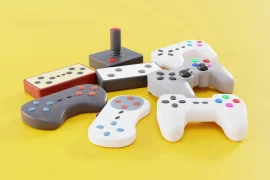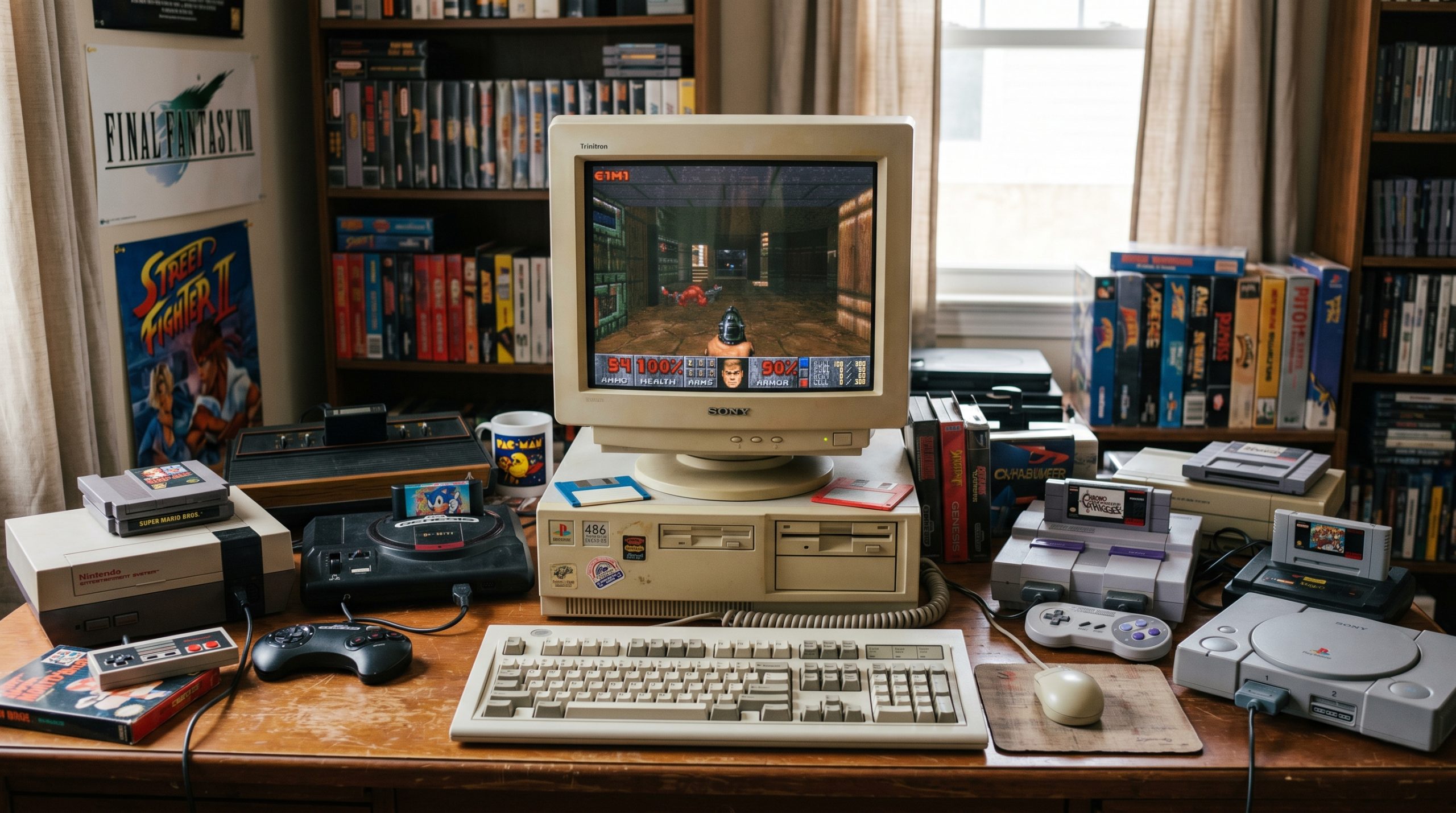
Controller cords once stretched across living room floors like permanent fixtures. Tangled wires wrapped around entertainment centers, players switched seats carefully to avoid disconnecting consoles accidentally, and multiplayer sessions often turned into arguments over who pulled a cable loose during a difficult boss fight. Those frustrations became such a normal part of retro gaming that most players barely questioned them at the time.
Modern wireless technology changed retro gaming setups dramatically without sacrificing the nostalgia that makes classic consoles special. After years spent rebuilding retro collections, restoring old systems, and testing countless accessories across different generations of hardware, I realized the best wireless controllers for retro consoles do far more than remove cables. They modernize classic gaming in subtle ways while preserving the original feel that retro enthusiasts care about deeply.
Wireless Retro Controllers Finally Feel Reliable
Early wireless controllers earned terrible reputations for good reason. Weak signals, terrible battery life, sluggish response times, and random disconnections made many of them feel unusable during serious gaming sessions. Retro enthusiasts especially avoided them because older games often demanded precise timing and instant responsiveness.
That situation changed completely over the last decade. Modern wireless technology dramatically reduced latency while improving battery performance and signal stability across nearly every major retro platform. The best wireless controllers now feel responsive enough that most players barely notice the absence of cables at all.
I remained skeptical about wireless retro gaming for years because I remembered how unreliable older wireless accessories felt during the PlayStation and Nintendo 64 eras. Once newer controllers entered the picture, though, the difference became impossible to ignore. Suddenly wireless retro gaming felt smooth, practical, and surprisingly authentic.
8BitDo Changed Retro Gaming Accessories
Few companies shaped modern retro accessories more successfully than 8BitDo. Their wireless controllers earned enormous respect among retro enthusiasts because they balanced classic aesthetics with modern functionality remarkably well.
The company understood something many manufacturers missed entirely: retro players wanted controllers that preserved the original feeling of older hardware rather than replacing it completely. Button placement, controller shape, and overall weight all mattered just as much as wireless performance itself.
My first experience with an 8BitDo controller immediately stood out because it felt familiar instead of gimmicky. The layout respected the original Super Nintendo design closely while adding modern comforts like rechargeable batteries and Bluetooth connectivity. That balance helped wireless retro controllers feel legitimate instead of experimental.
Super Nintendo Wireless Controllers Feel Natural
The Super Nintendo Entertainment System remains one of the most beloved retro consoles ever made, and its controller design aged remarkably well. Wireless versions preserving that iconic layout became instant favorites among retro collectors.
Games on the Super Nintendo often require quick directional movement and responsive button presses, especially platformers, fighting games, and action RPGs. Poor wireless latency would immediately ruin that experience, which explains why high-quality controllers matter so much for the system.
Several long Super Nintendo gaming sessions convinced me that modern wireless controllers finally reached the point where they genuinely complement retro hardware instead of compromising it. Platformers remained precise, fighting games stayed responsive, and RPG marathons became far more comfortable without cords stretched awkwardly across the room.
Sega Genesis Controllers Benefit Enormously
The Sega Genesis produced some of the fastest and most aggressive games of the 16-bit era. Fighting games, arcade shooters, and sports titles demanded sharp inputs that exposed weak controllers immediately.
Wireless Genesis controllers improved the experience significantly because Sega setups often involved intense multiplayer gaming sessions where cables became frustrating obstacles constantly. Local tournaments and couch multiplayer suddenly felt cleaner and easier to manage.
I noticed this especially during retro fighting game nights with friends. Wireless Genesis controllers eliminated tangled cords completely while allowing players to move comfortably around the room without worrying about disconnecting hardware accidentally during competitive matches.
Nintendo 64 Wireless Controllers Solved A Huge Problem
Few retro controllers aged more awkwardly than the original Nintendo 64 controller. Its unusual three-pronged design still divides players today, yet the console itself remains packed with legendary multiplayer games that continue attracting retro enthusiasts decades later.
Wireless Nintendo 64 controllers solved several long-standing frustrations simultaneously. Players gained freedom of movement while avoiding the awkward cable limitations that originally accompanied local multiplayer sessions. Modern analog sticks also improved durability compared to fragile original hardware prone to wear over time.
Using a wireless Nintendo 64 controller during multiplayer Mario Kart and GoldenEye sessions completely changed the atmosphere of retro gatherings. The room felt cleaner, movement felt unrestricted, and the setup itself became dramatically easier to manage without controller cords crossing in every direction.
PlayStation Wireless Controllers Modernized Older Consoles
Original PlayStation hardware still holds up remarkably well, but the wired controllers increasingly feel restrictive in modern gaming spaces. Wireless PlayStation adapters and updated controller designs solved that issue while preserving compatibility with classic hardware.
Retro PlayStation games especially benefit from wireless freedom because many sessions involve lengthy RPG campaigns or relaxed couch gaming environments. Being tethered closely to older consoles no longer feels necessary once reliable wireless solutions enter the setup.
One of the most noticeable improvements came during long RPG sessions on the original PlayStation. Leaning back comfortably without worrying about controller cable length made marathon gaming nights significantly more enjoyable. Small quality-of-life upgrades like that quietly transform retro gaming over time.
Battery Life Became A Major Improvement
Older wireless controllers frequently suffered from terrible battery performance. Some drained batteries within a few hours, while others required bulky battery packs that made controllers uncomfortable during extended gaming sessions.
Modern retro wireless controllers improved dramatically in this area. Rechargeable lithium batteries now provide long gaming sessions while reducing the constant expense and inconvenience of disposable batteries.
I stopped worrying about controller charging almost entirely once modern wireless retro hardware matured properly. Most controllers now last through entire weekends of retro gaming comfortably, which makes them feel practical rather than high-maintenance.
Low Latency Matters For Retro Games
Retro gaming exposes input delay immediately because older games were designed around precise timing and instant responsiveness. Platformers, shooters, and fighting games punish even tiny amounts of latency aggressively during gameplay.
The best wireless controllers for retro consoles minimize delay so effectively that gameplay feels nearly identical to wired setups. High-quality 2.4GHz wireless technology especially helped eliminate many concerns surrounding wireless retro gaming performance.
I tested several wireless controllers side by side with original wired hardware during difficult retro platformers specifically to compare responsiveness. Premium controllers performed so closely to wired alternatives that the difference became nearly impossible to notice during normal gameplay sessions.
Arcade Fans Demanded Better Wireless Options
Retro arcade enthusiasts remained among the harshest critics of wireless gaming initially because arcade-style games demand extremely accurate timing. Shoot-em-ups, fighting games, and beat-em-ups expose controller weaknesses faster than almost any other genre.
Modern wireless arcade sticks and retro pads finally reached the point where serious arcade fans began accepting them more widely. Improved polling rates, stable connections, and stronger build quality helped change opinions throughout the retro gaming community gradually.
Several retro arcade sessions completely changed my perspective on wireless performance. Fast shooters and competitive fighters remained responsive enough that gameplay stayed smooth even during demanding sequences requiring constant precision.
Wireless Adapters Expanded Compatibility
Not all retro players want replacement controllers entirely. Many still prefer authentic original hardware while simply removing the inconvenience of wired connections. Wireless adapters became the perfect compromise for those enthusiasts.
Adapters allowing original controllers to function wirelessly helped preserve authentic retro gaming feel while modernizing setups subtly. This approach became especially popular among collectors deeply attached to specific controller designs from childhood.
Using original retro controllers wirelessly through adapters felt strangely futuristic the first time I tried it. Suddenly decades-old hardware functioned comfortably in modern living spaces without sacrificing the tactile experience that made retro gaming feel special originally.
Build Quality Separates Great Controllers From Cheap Ones
The retro accessory market exploded rapidly once wireless gaming became popular again, and unfortunately, many low-quality products flooded online marketplaces. Weak plastic shells, inconsistent buttons, and unreliable wireless signals still plague cheaper controllers heavily.
Premium wireless retro controllers distinguish themselves through stronger construction and better materials. Responsive buttons, durable analog sticks, and reliable directional pads matter enormously during long gaming sessions involving demanding older games.
I made the mistake of buying several bargain wireless controllers during the early days of rebuilding my retro setup. Most failed surprisingly quickly or introduced frustrating gameplay issues. Investing in higher-quality hardware eventually saved both money and frustration over time.
Retro Multiplayer Feels Better Without Cords
Few aspects of retro gaming carry more nostalgia than local multiplayer sessions. Friends crowded around CRT televisions, arguing during racing games and fighting tournaments, defined entire gaming generations before online multiplayer dominated the industry.
Wireless controllers improved those experiences dramatically because movement around the room no longer risks disconnecting consoles or tangling cables constantly. Retro multiplayer setups feel cleaner, more social, and less physically restrictive.
Some of my favorite modern retro gaming nights involved wireless multiplayer sessions spread across couches and floor seating without a single cord crossing the room. The games still felt wonderfully old-school, yet the setup itself finally matched modern convenience expectations.
Charging Docks Help Organization
Retro gaming rooms already struggle with clutter due to consoles, cartridges, adapters, and accessories spread across shelves and entertainment centers. Wireless controllers introduce another challenge involving charging and storage organization.
Dedicated charging docks solve that issue elegantly while helping gaming setups remain visually organized. Controllers stay charged, accessible, and neatly displayed instead of scattered randomly around the room.
I underestimated charging docks initially because they sounded unnecessary compared to simple USB cables. Once multiple wireless controllers entered regular rotation, though, organized charging stations became essential for maintaining a clean retro setup.
Authentic Design Still Matters
Retro gaming thrives on nostalgia and familiarity. Players want modern convenience, but they also want controllers that preserve the emotional connection tied to older hardware designs. That balance remains critical for successful retro accessories.
The best wireless controllers for retro consoles respect original shapes, button layouts, and overall aesthetics carefully. Radical redesigns often fail because they disconnect players from the tactile memories associated with classic gaming experiences.
Holding a modern wireless controller modeled closely after an original Super Nintendo or Sega Genesis pad still triggers immediate nostalgia for many players. That emotional response matters tremendously because retro gaming involves memory and atmosphere just as much as gameplay itself.
Final Thoughts
Retro gaming continues thriving because classic consoles still deliver unforgettable experiences filled with creativity, challenge, and personality. Wireless controllers helped modernize those experiences without erasing the nostalgia and authenticity that make retro gaming culture special in the first place.
The best wireless controllers for retro consoles succeed because they combine low latency, strong build quality, reliable battery performance, and faithful design into accessories that genuinely improve retro gaming setups. They eliminate tangled cords, modernize multiplayer sessions, and allow players to enjoy older hardware more comfortably without sacrificing responsiveness.
Controller cables once felt inseparable from retro gaming itself, yet modern wireless technology proved that classic gaming can evolve carefully without losing its soul. Late-night RPG marathons feel more relaxing, multiplayer sessions become cleaner and more social, and aging consoles fit naturally into modern living spaces again. The games remain timeless, but the way players experience them continues improving quietly with each new generation of retro accessories.