Space disappears quickly once retro gaming enters a room. A single console turns into multiple systems, controllers pile up in drawers, cartridges spread across shelves, and suddenly the entire area feels overwhelmed by cables, accessories, and aging hardware. Many retro collectors imagine giant gaming basements lined with arcade cabinets and glowing CRT televisions, but the reality for most players looks very different.
Small rooms create challenges that force retro enthusiasts to think creatively. Limited floor space, crowded shelves, and bulky hardware can make even modest collections difficult to organize comfortably. After years spent rearranging consoles in apartments, bedrooms, and cramped gaming corners, I learned that smart design matters far more than room size itself. Retro gaming setup ideas for small rooms often produce spaces that feel more personal, efficient, and inviting than oversized setups filled with unnecessary clutter.
Vertical Storage Changes Everything
Floor space disappears rapidly in small retro gaming rooms, which makes vertical storage one of the smartest solutions available. Walls become valuable real estate once consoles, games, and accessories begin multiplying beyond what ordinary furniture can comfortably handle.
Tall shelving units immediately create more room without increasing clutter across the floor. Cartridge collections display beautifully on narrow vertical shelves, while boxed games and controllers remain easy to access without overwhelming the space visually. Proper vertical storage also helps collections feel organized rather than chaotic.
I realized this during a period when my retro collection nearly consumed an entire bedroom floor. Shifting the setup upward instead of outward completely transformed the room. Suddenly the space felt open again despite containing the same number of consoles, games, and accessories as before.
Compact CRT Televisions Fit Small Rooms Better
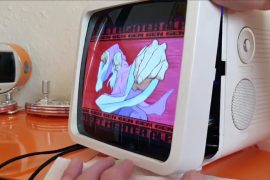
Large CRT televisions dominate retro gaming discussions, but smaller sets often work far better in tight spaces. Compact CRT displays preserve the authentic retro gaming experience without turning a room into a furniture obstacle course.
Smaller CRTs also create surprisingly cozy gaming environments. Sitting closer to the screen recreates the intimate atmosphere many players remember from childhood bedrooms and living rooms. Older games frequently feel more immersive on compact displays because the setup encourages focus and proximity.
One of my favorite retro gaming setups revolved around a modest twenty-inch CRT television positioned on a narrow stand beside stacked consoles. The room itself remained small, yet the setup felt warm and inviting rather than cramped. Sometimes scaling down hardware improves the atmosphere more than expanding it.
Floating Shelves Reduce Visual Clutter
Traditional shelving units can dominate small rooms visually, especially once retro collections begin expanding. Floating shelves create a lighter appearance that prevents gaming spaces from feeling boxed in or overcrowded.
Consoles displayed on floating shelves gain a museum-like presentation while freeing valuable floor space below. Controllers, boxed games, and smaller accessories also fit neatly without requiring bulky entertainment centers that consume half the room.
I underestimated floating shelves until installing several above a retro gaming station years ago. The difference felt immediate. The room suddenly appeared cleaner and more spacious despite housing the same amount of hardware. Retro gaming setup ideas for small rooms often succeed because they reduce visual heaviness as much as physical clutter.
Multi-Console HDMI Setups Save Massive Space
Older retro setups often required separate televisions, tangled cables, and multiple connection systems scattered across entertainment centers. Modern HDMI solutions simplify that problem dramatically, especially in smaller gaming spaces.
HDMI switchers and quality adapters allow multiple retro consoles to share a single display cleanly. Instead of dedicating separate areas to each system, players can consolidate entire collections into compact centralized gaming stations.
My setup became significantly easier to manage once I stopped treating each console as its own isolated project. A reliable HDMI switcher paired with organized cable routing instantly removed enormous amounts of clutter. Small retro rooms benefit tremendously from reducing unnecessary hardware duplication wherever possible.
Rolling Carts Add Flexibility
Permanent furniture arrangements can become frustrating in smaller spaces where adaptability matters constantly. Rolling carts provide an excellent alternative because they allow retro setups to move easily depending on the situation.
Consoles stored on rolling carts remain accessible without permanently occupying valuable floor space. The carts can slide beside televisions during gaming sessions and disappear neatly into corners or closets afterward. This flexibility becomes especially useful in shared rooms or apartments with limited dedicated gaming areas.
I started experimenting with rolling carts after struggling to balance retro gaming with everyday room functionality. The ability to reposition entire console setups within seconds changed everything. Suddenly the room served multiple purposes comfortably without sacrificing retro gaming access.
Cable Management Matters More In Small Spaces
Retro gaming setups produce enormous amounts of cables. Power cords, controller wires, HDMI adapters, RF switches, and charging cables quickly transform compact rooms into tangled disasters without proper organization.
Cable sleeves, adhesive clips, and labeled wiring systems make small retro spaces dramatically easier to maintain. Organized cables also improve airflow and reduce the visual stress that cluttered gaming areas often create.
Nothing made my smaller setups feel messier than loose cords spilling behind shelves and across floors. Once proper cable management entered the picture, the room instantly felt calmer and more functional. Small spaces punish disorganization far more aggressively than larger rooms do.
Foldable Seating Creates Extra Room
Large gaming chairs and oversized recliners consume enormous amounts of space that smaller retro rooms often cannot spare comfortably. Foldable seating offers a practical alternative without sacrificing comfort entirely.
Floor chairs, folding gaming seats, and compact stools allow players to create temporary gaming spaces that disappear afterward. This flexibility becomes especially useful for multiplayer retro sessions where extra seating only matters occasionally.
Several of my favorite retro gatherings happened in surprisingly tiny rooms using foldable floor seating arranged around compact CRT televisions. The setup felt relaxed and social rather than cramped because the furniture adapted to the moment instead of dominating the room permanently.
Wall-Mounted Controllers Save Drawer Space
Retro controllers multiply rapidly once collections expand across multiple generations. Standard drawers overflow quickly, and tangled cords create frustration whenever players search for specific hardware.
Wall-mounted controller holders solve that problem while adding personality to the room visually. Classic controllers displayed openly become part of the decoration instead of hidden clutter buried inside storage bins.
I originally viewed controller mounts as purely decorative until my storage drawers became impossible to navigate efficiently. Mounting controllers vertically beside shelving instantly improved organization while making the entire setup feel more intentional and visually balanced.
Handheld Consoles Deserve Dedicated Corners
Small retro gaming rooms benefit enormously from separating handheld gaming areas from larger console setups. Dedicated handheld stations create variety without demanding much additional space.
A simple shelf, charging dock, and comfortable chair can transform a tiny corner into an excellent handheld gaming area for systems like the Game Boy Advance, PSP, or Nintendo DS. These spaces also encourage quieter, more relaxed gaming sessions compared to larger television-centered setups.
One of the most enjoyable additions to my own gaming room involved a compact handheld corner positioned near a window with soft lighting and a small storage rack. That tiny space became one of the most frequently used parts of the entire setup despite occupying almost no room at all.
Minimalism Works Better Than Overcrowding
Retro collectors often feel tempted to display every console, accessory, and game simultaneously. Small rooms punish that instinct quickly because overcrowding makes setups feel stressful rather than inviting.
Rotating displays seasonally or focusing only on favorite systems creates cleaner and more enjoyable environments. Collections still remain accessible without turning every surface into overflowing storage space.
I resisted minimalist retro setups for years because I loved seeing entire collections displayed openly. Over time, though, I realized smaller curated displays actually highlighted favorite consoles and games more effectively. The room itself became more relaxing once unnecessary clutter disappeared.
Corner Setups Maximize Awkward Spaces
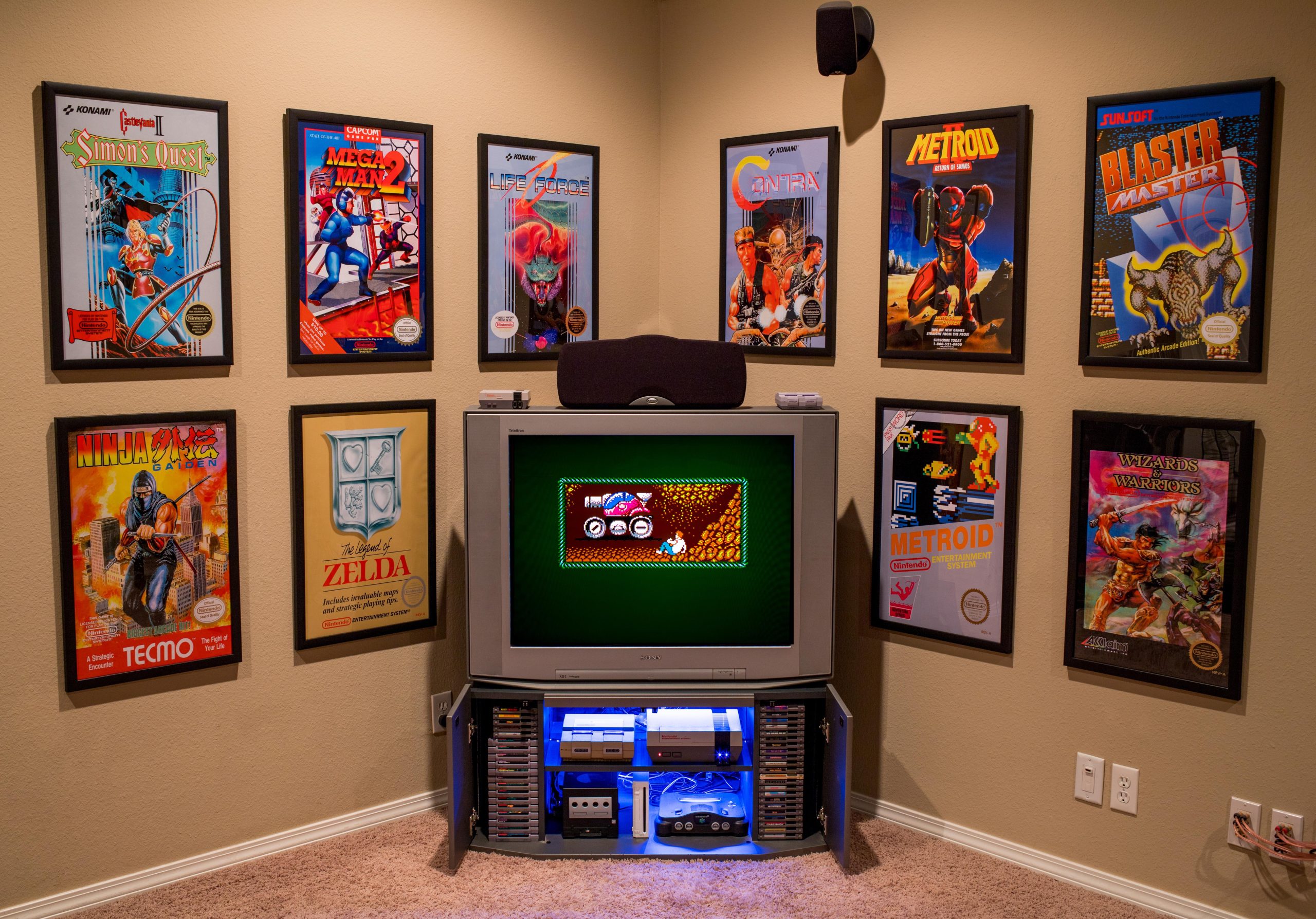
Corners frequently go underused in smaller rooms despite offering excellent retro gaming opportunities. Properly designed corner setups maximize awkward areas while leaving central floor space open and functional.
Compact corner desks and triangular shelving units fit retro consoles surprisingly well. CRT televisions positioned diagonally in corners also create cozy gaming environments that feel intentional rather than squeezed awkwardly into the room.
One apartment setup forced me into using a corner almost out of desperation due to limited space. That arrangement unexpectedly became one of the most comfortable retro gaming spaces I ever built. The corner naturally framed the setup while improving movement throughout the rest of the room.
Lighting Shapes The Entire Atmosphere
Small retro gaming rooms benefit enormously from thoughtful lighting. Poor lighting makes compact spaces feel cramped and cluttered, while softer illumination creates warmth and depth that completely changes the mood.
LED strips behind shelves, small lamps beside CRT televisions, and subtle ambient lighting transform retro setups into far more immersive environments. Proper lighting also highlights collections beautifully without overwhelming smaller rooms visually.
Some of the most memorable retro gaming nights happened in dimly lit spaces illuminated mainly by CRT glow and soft shelf lighting. Atmosphere matters tremendously in retro gaming because nostalgia thrives on mood as much as hardware itself.
Multi-Purpose Furniture Helps Smaller Rooms
Dedicated retro gaming furniture often consumes more space than small rooms can realistically spare. Multi-purpose furniture solves that issue by combining storage, seating, and display functionality efficiently.
Storage ottomans, entertainment benches with hidden compartments, and desks doubling as console stations all reduce clutter while preserving room flexibility. Smaller setups benefit enormously from furniture capable of serving several purposes simultaneously.
I eventually stopped buying furniture designed exclusively around gaming because it rarely fit compact spaces comfortably. Multi-purpose pieces integrated far more naturally into daily life while still supporting retro gaming sessions perfectly.
Portable Retro Setups Increase Flexibility
Permanent retro gaming stations are not always practical in smaller apartments or bedrooms. Portable setups create flexibility that allows gaming spaces to appear and disappear depending on the situation.
Compact console cases, portable monitors, and organized storage bins make temporary retro gaming stations surprisingly easy to assemble. This approach works especially well for collectors with limited space who still want access to multiple systems regularly.
Several years ago, I built a portable retro setup entirely out of necessity while living in an extremely small apartment. Unexpectedly, the flexibility became part of the appeal. Gaming sessions felt intentional and special because the setup transformed the room temporarily rather than occupying it permanently.
Small Rooms Often Feel More Personal
Massive gaming rooms look impressive online, but smaller retro spaces frequently feel more intimate and authentic. Compact setups encourage thoughtful organization and personal touches that larger collections sometimes lose beneath sheer scale.
Retro gaming setup ideas for small rooms often prioritize atmosphere over spectacle. Carefully arranged shelves, warm lighting, favorite consoles, and meaningful displays create environments that feel deeply connected to personal gaming history rather than simply functioning as oversized collections.
Some of the most inspiring retro gaming spaces I have seen occupied tiny bedrooms, apartments, or office corners packed with personality and creativity. Small rooms force collectors to focus on what truly matters instead of endlessly chasing expansion for its own sake.
Final Thoughts
Retro gaming thrives because older games continue delivering charm, creativity, and unforgettable experiences long after their original release eras ended. Limited room space does not diminish that passion. In many cases, smaller setups create warmer and more inviting gaming environments that feel deeply personal and comfortable.
Retro gaming setup ideas for small rooms succeed because they focus on efficiency, atmosphere, and thoughtful organization rather than endless expansion. Vertical storage, compact displays, organized cables, flexible seating, and curated collections all help transform tight spaces into excellent retro gaming environments.
Some of my favorite gaming memories happened in small rooms filled with glowing CRT televisions, stacked cartridges, and carefully arranged consoles humming late into the night. Space limitations often inspire creativity rather than frustration. A great retro gaming setup does not depend on room size nearly as much as the care and personality invested into building it.