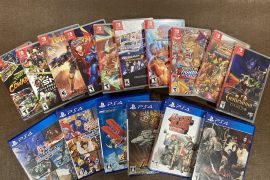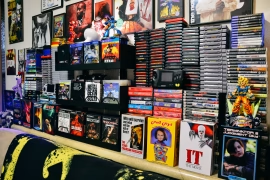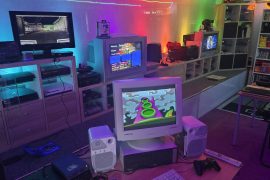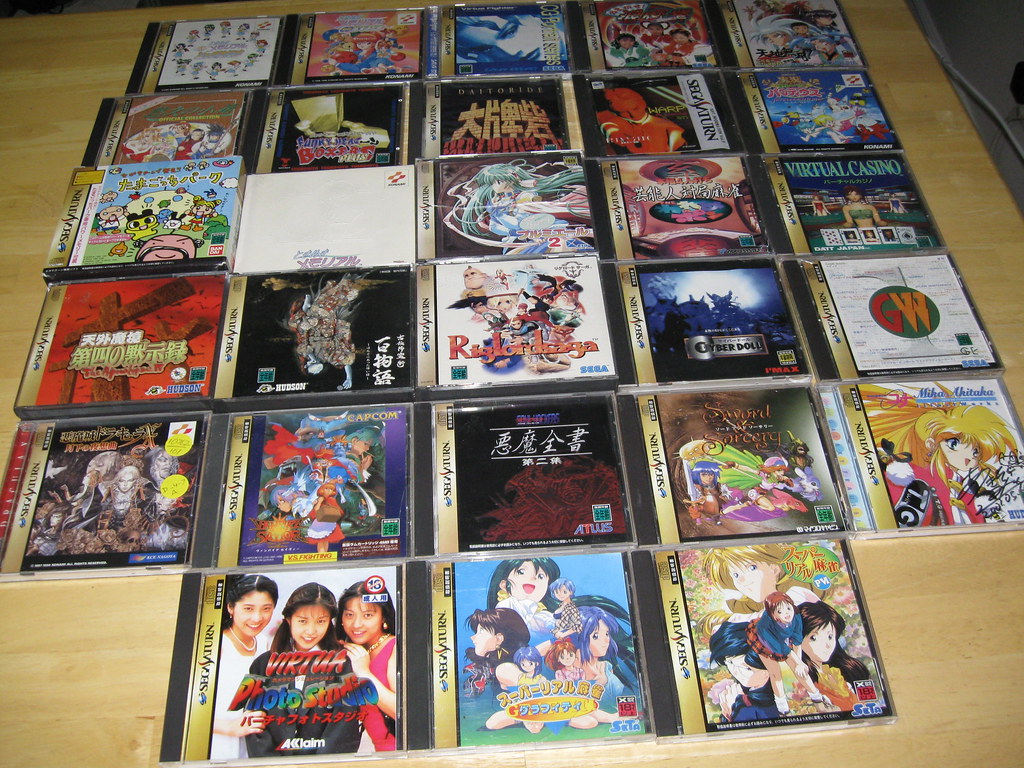
Few hobbies feel as satisfying as sliding an old Nintendo cartridge into a console and hearing that familiar startup sound fill the room again. Retro Nintendo collecting combines nostalgia, history, treasure hunting, and genuine appreciation for some of the most influential games ever made. Shelves lined with colorful cartridges, boxed handheld systems, and classic controllers create a feeling digital libraries simply cannot replace. Even common Nintendo games carry personality through their labels, packaging, and physical presence in ways modern downloads rarely capture.
Starting a collection today can feel intimidating because retro gaming prices climbed dramatically over the last decade. New collectors often see expensive auction headlines and assume the hobby became impossible without enormous amounts of money. The truth feels much more encouraging once someone spends time exploring the hobby properly. Beginner Tips for Building a Retro Nintendo Collection matter because smart habits early on prevent expensive mistakes later. A great collection grows steadily through patience, curiosity, and genuine enjoyment rather than panic buying or chasing rare games immediately.
Start With Games You Actually Want to Play
One of the biggest mistakes new collectors make involves buying games purely because someone online called them valuable or rare. A retro Nintendo collection should feel personal rather than assembled from random recommendation lists. Focusing on games that genuinely interest you creates a stronger connection to the hobby immediately.
The Nintendo Entertainment System and Super Nintendo Entertainment System libraries contain hundreds of excellent titles across nearly every genre imaginable. Platformers, RPGs, racing games, puzzle games, and sports titles all offer different experiences depending on personal taste. Starting with familiar favorites keeps collecting exciting instead of stressful.
I built large portions of my own Nintendo shelves around games tied to specific memories rather than market trends. Seeing titles connected to childhood weekends or favorite multiplayer sessions creates a much stronger emotional reaction than simply owning expensive cartridges for display purposes. Collections become far more rewarding once personality shapes the shelves.
Pick One Nintendo System First
Nintendo released enough consoles and handhelds to overwhelm new collectors quickly. Trying to collect for the Nintendo 64, Game Boy, Nintendo GameCube, and several other systems simultaneously often becomes financially exhausting.
Focusing on one console first creates clearer goals and helps collectors develop knowledge naturally. You start recognizing fair prices, rare variants, and hidden gems much faster once attention stays centered on a specific platform. The hobby feels less chaotic once shelves begin forming around a focused direction.
I always recommend beginners pick the Nintendo system that means the most to them personally. Nostalgia helps maintain enthusiasm during slower periods where hunting becomes difficult or expensive. Personal attachment matters more than collecting what other people consider trendy.
Learn the Difference Between Loose and Complete Games
Retro Nintendo collecting contains several different categories that dramatically affect pricing. Loose cartridges include only the game itself, while complete copies contain the original box, manual, and inserts. Factory-sealed games exist in an entirely different pricing world altogether.
The Nintendo 64 especially demonstrates this difference clearly because boxed Nintendo 64 games often cost several times more than loose cartridges. Cardboard packaging rarely survived childhood ownership intact, making complete copies increasingly difficult to find today.
I started with mostly loose cartridges because affordability mattered more than presentation initially. Over time, certain favorite games gradually became complete copies once I found good deals. That slower upgrade process felt much more manageable than chasing expensive boxed games immediately.
Set a Budget Before Buying Anything
Retro collecting becomes dangerous financially once excitement overrides discipline. Nintendo nostalgia affects people strongly, and it becomes very easy to overspend impulsively during conventions, online auctions, or marketplace browsing sessions.
Setting monthly or weekly spending limits prevents regret later. The hobby should remain enjoyable instead of turning into financial stress fueled by fear of missing deals. Great games continue appearing regularly, even if one opportunity slips away temporarily.
I learned this lesson after overspending heavily during an early retro convention because I convinced myself certain games would become impossible to find later. Months afterward, many of those same titles appeared again at better prices. Patience almost always rewards collectors eventually.
Avoid Chasing Rare Games Too Early
Rare Nintendo games attract enormous attention online, but beginners should resist the temptation to build collections around expensive grails immediately. Games like EarthBound or rare variants for the Nintendo Entertainment System can cost more than entire starter collections.
Building a foundation of affordable classics creates a stronger appreciation for the hobby overall. Great gameplay experiences exist throughout Nintendo’s libraries without requiring massive spending. Common games often deliver just as much enjoyment as rare collector trophies.
I enjoyed retro collecting far more once I stopped obsessing over expensive grails constantly. Filling shelves with fun, affordable games created momentum and excitement naturally. Rare titles became long-term goals instead of frustrating obstacles dominating the entire hobby.
Hunt Locally Whenever Possible
Online marketplaces provide convenience, but local hunting still creates some of the best retro collecting experiences available. Garage sales, flea markets, thrift stores, and local game shops occasionally produce surprising Nintendo finds at reasonable prices.
The thrill of discovering hidden cartridges inside random boxes remains one of the most satisfying parts of retro collecting culture. Systems like the Game Boy Advance and Nintendo DS still appear locally fairly often because many people stored handheld games carelessly over the years.
Some of my favorite Nintendo pickups happened unexpectedly during ordinary errands rather than planned hunting trips. Local searching also teaches patience and observation skills that online shopping never fully develops.
Learn How to Spot Fake Nintendo Games
Counterfeit Nintendo cartridges became increasingly common once retro prices climbed aggressively. Pokémon games, popular RPGs, and expensive Nintendo 64 titles frequently appear as reproductions online. Beginners should learn basic authentication signs before spending serious money.
Label quality, cartridge color, screw types, and board layouts all help identify legitimate copies. The Pokémon Emerald and other Game Boy Advance Pokémon titles especially attract counterfeit sellers because demand remains extremely high.
I remember buying a fake cartridge accidentally years ago because I focused entirely on price excitement instead of verification. The experience felt frustrating initially, but it forced me to study authentic Nintendo hardware much more carefully afterward. That knowledge became incredibly valuable later.
Protect Your Collection Early
New collectors sometimes overlook preservation until damage already appears. Nintendo boxes, manuals, cartridges, and discs all benefit from proper storage immediately. Dust, sunlight, humidity, and rough handling gradually damage collections even in ordinary rooms.
Protective sleeves and storage containers help tremendously for boxed games and manuals. Cartridges should remain clean and organized instead of tossed loosely inside drawers or bins. Small preservation habits early on prevent expensive problems later.
I wish I had protected certain childhood Nintendo games more carefully years ago. Some boxes faded heavily from sunlight exposure while manuals developed creases from careless storage. Watching that damage slowly appear changed how I handled future additions permanently.
Explore Nintendo Handheld Libraries
Many beginners focus heavily on home consoles while overlooking Nintendo’s incredible handheld history. The Game Boy Color, Game Boy Advance, and original Nintendo DS libraries contain amazing games often cheaper than comparable home console releases.
Handheld collecting also requires less physical space, making it ideal for beginners living in smaller apartments or shared rooms. Portable Nintendo games remain deeply nostalgic for many players because they traveled everywhere during childhood.
I actually rediscovered retro collecting seriously through Nintendo handhelds first. The smaller cartridges, colorful hardware variations, and massive RPG libraries created an addictive sense of exploration. Handheld shelves also look fantastic once collections begin growing.
Talk to Other Nintendo Collectors
Retro collecting communities provide enormous value for beginners willing to engage respectfully. Experienced collectors often share advice about pricing, preservation, hidden gems, and reliable sellers. Conversations also help collectors avoid common beginner mistakes.
Retro conventions, gaming stores, and online groups all create opportunities to meet fellow Nintendo fans. Some of the best collecting stories and discoveries emerge through simple conversations with people sharing similar interests.
I learned more practical Nintendo collecting knowledge from casual conversations than from most price guides or videos online. Collectors often enjoy helping newcomers because shared enthusiasm keeps retro gaming culture alive across generations.
Do Not Ignore Common Games
Retro collecting culture sometimes pushes beginners toward rarity obsession too quickly. Yet some of Nintendo’s most enjoyable experiences remain surprisingly affordable despite decades of popularity. Sports titles, puzzle games, licensed releases, and overlooked platformers often provide incredible value.
The Super Nintendo Entertainment System especially contains dozens of fantastic games still available cheaply compared to high-end RPGs or late-release collector favorites. Affordable games build collections steadily while introducing genres many collectors would otherwise ignore.
I found several personal favorites entirely by accident because they happened to sit inside bargain bins. Chasing only expensive or famous games narrows the hobby unnecessarily. Some of Nintendo’s most charming experiences remain hidden beneath the shadow of major franchises.
Upgrade Slowly Instead of Rebuying Constantly
Many beginners rush purchases because they fear prices rising further. That pressure often leads to buying damaged copies quickly and replacing them later repeatedly. A slower approach usually saves money over time.
Waiting for cleaner copies or better deals creates stronger long-term collections. Not every shelf needs filling immediately. Retro collecting lasts years for most enthusiasts, so patience matters far more than speed.
I became much happier with my Nintendo collection once I stopped treating it like a race. Carefully selected additions gradually replaced rushed impulse buys. The shelves eventually reflected my taste and memories instead of random panic purchases.
Enjoy the Games Beyond the Collection
Retro collecting becomes far more meaningful once the games remain active experiences rather than static shelf decorations. Playing through older Nintendo libraries reveals why certain titles became classics while others faded into obscurity over time.
The Nintendo GameCube and Nintendo 64 especially reward multiplayer sessions because many games were built around local social experiences. Retro collections feel alive once controllers stay connected and games remain playable regularly.
Some of my favorite memories came from replaying old Nintendo games with friends who never experienced those systems originally. Watching newer players discover classic Nintendo titles creates excitement that no display shelf alone can replicate.
Final Thoughts
Beginner Tips for Building a Retro Nintendo Collection ultimately come down to patience, personal taste, and genuine enjoyment of gaming history. Great collections are not built overnight through expensive purchases or trend chasing. They grow gradually through curiosity, smart habits, and meaningful connections to the games themselves.
Nintendo’s retro libraries remain some of the most rewarding spaces in gaming culture because they combine nostalgia, creativity, and timeless gameplay so effectively. Whether collecting cartridges, boxed handhelds, or complete console setups, the experience feels deeply personal once shelves begin reflecting real memories and interests.
The hobby may feel intimidating at first because of rising prices and endless collecting possibilities. Yet retro Nintendo collecting still rewards beginners willing to move slowly and enjoy the process. The excitement of finding a favorite childhood game, cleaning an old cartridge, and hearing that familiar startup music again never really fades no matter how large the collection becomes.