Few consoles inspire the kind of obsession that surrounds the Sega Saturn. Long before retro collecting exploded into mainstream culture, Saturn fans quietly hunted rare imports, defended overlooked exclusives, and searched local shops for games most players ignored during the console’s original life cycle. The Saturn never reached the commercial heights Sega hoped for in North America, yet that failure accidentally created one of the most fascinating collector markets in retro gaming history. Small print runs, unusual hardware architecture, and a library packed with experimental titles transformed the system into a treasure chest for serious collectors.
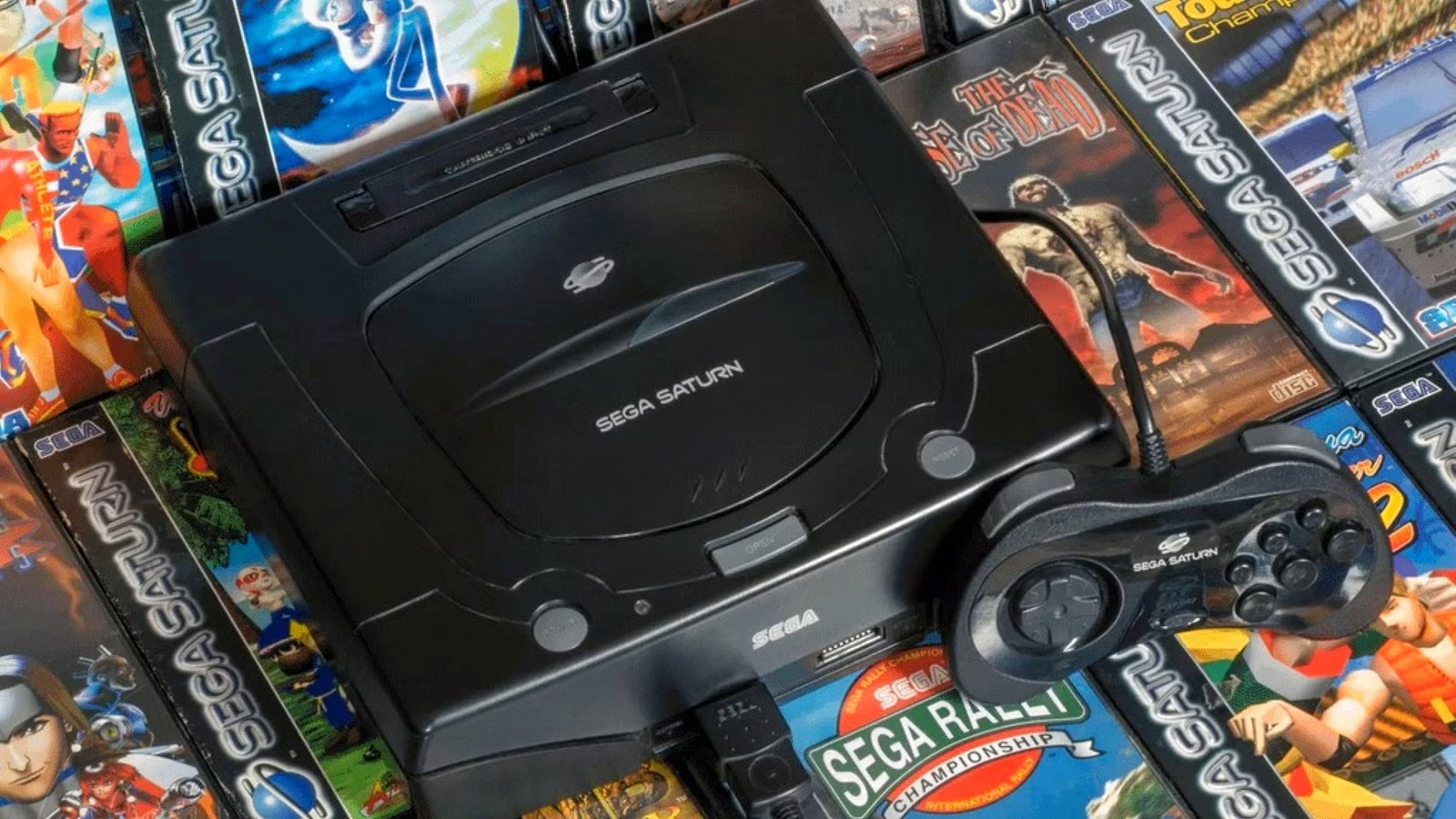
Walking into a room filled with Sega Saturn games still feels different from browsing shelves dedicated to Nintendo or PlayStation. The oversized jewel cases, dramatic cover art, and heavy focus on arcade-style gameplay give the platform its own distinct personality. The Most Collectible Sega Saturn Games Today are not only expensive because they are rare. Many became legendary because they captured a strange, ambitious period where Sega constantly experimented with ideas that larger companies would never risk. That unpredictability is exactly why collectors remain fascinated with the Saturn decades later.
Panzer Dragoon Saga Became the Ultimate Saturn Grail
Few retro games carry the same mythical reputation as Panzer Dragoon Saga. Released late in the Saturn’s lifespan with a very limited North American print run, the game became one of the rarest and most desired RPGs ever published on the system. Its reputation grew steadily after Sega discontinued the Saturn, especially once collectors realized how few copies survived complete and undamaged.
The game itself deserved the praise even without the rarity factor. Instead of relying on traditional fantasy settings, Panzer Dragoon Saga created a haunting science-fiction world filled with ruined civilizations and biomechanical creatures. The battle system blended real-time movement with strategic positioning in ways that still feel unique today.
I remember finally seeing a complete copy in person years ago at a retro convention, and the price alone stopped people in their tracks. Yet collectors still crowded around the display case because the game represents more than value alone. It became the symbol of Saturn collecting itself, almost like a rite of passage for serious Sega fans.
Burning Rangers Captured Sega’s Experimental Spirit
Burning Rangers feels like one of the purest examples of Sega’s willingness to take creative risks during the Saturn era. The game placed players inside futuristic rescue missions where firefighters saved civilians from burning structures while navigating unstable environments. Few companies would greenlight a concept like that today, which makes Burning Rangers feel even more special in retrospect.
Limited production numbers helped push the game into collector territory quickly after the Saturn faded from retail shelves. Complete copies became especially desirable because the original packaging featured striking artwork and vibrant color design that stood out instantly among other Saturn releases.
Playing Burning Rangers today still feels oddly refreshing because the game refuses to resemble anything else from its generation. The soundtrack, visual style, and mission structure create an experience that feels deeply tied to Sega’s experimental identity during the late 1990s.
Shining Force III Became a Collector Favorite
Strategy RPG fans continue chasing Shining Force III because of both its quality and unusual release history. Sega planned multiple interconnected scenarios for the game, but North American players received only part of the complete story officially. That fragmented release increased long-term fascination surrounding the title dramatically.
Collectors value complete copies highly because the Saturn RPG library already remains relatively small compared to competing platforms like the original PlayStation. Strong RPGs naturally became major collector targets once retro gaming communities began reevaluating the Saturn years later.
I still think part of the appeal comes from how unfinished the North American Saturn experience felt historically. Fans constantly wondered what could have happened if Sega handled localization and marketing differently. Games like Shining Force III represent that lingering curiosity perfectly.
Magic Knight Rayearth Became a Late-Release Treasure
Late-release Saturn games often carry enormous collector value because production numbers dropped sharply near the console’s end. Magic Knight Rayearth arrived extremely late in North America, making it one of the final official Saturn releases in the region.
Working Designs published the game with elaborate packaging, detailed manuals, and high-quality localization work that collectors still admire today. Complete copies became increasingly difficult to find because many Saturn owners had already moved toward newer consoles once the game released.
The artwork alone gives Magic Knight Rayearth tremendous shelf presence. Saturn collectors often appreciate presentation almost as much as gameplay, and Working Designs titles consistently delivered memorable packaging that elevated their long-term collector appeal significantly.
Saturn Bomberman Became a Multiplayer Legend
Multiplayer retro games often gain lasting collector demand because they remain genuinely fun long after graphical technology advances. Saturn Bomberman achieved legendary status partly because of its chaotic multiplayer mode supporting massive local matches with the proper multitap setup.
The Saturn version became especially beloved because of its smooth gameplay and energetic presentation. Collectors constantly hunt complete copies because multiplayer-focused retro titles still attract active players rather than sitting untouched strictly for display purposes.
I have seen Saturn Bomberman completely transform retro gaming gatherings. People who barely recognize the Saturn itself suddenly become hooked after a few rounds. Games with lasting social appeal naturally maintain strong collector demand because they continue generating memories decades after release.
Dragon Force Remains One of Sega’s Most Unique RPGs
Dragon Force stands out immediately because few strategy RPGs attempt battles on the scale Sega delivered here. Massive armies clashed across the screen simultaneously while political alliances and kingdom management shaped the broader campaign experience.
Collectors gravitated toward Dragon Force because the game feels deeply tied to the Saturn’s personality. It embraced large-scale sprite work, ambitious mechanics, and anime-inspired presentation in ways few competing consoles replicated successfully during that era.
The original North American release became increasingly valuable once collectors recognized how unusual the game really was. Saturn RPG fans constantly search for titles that showcase the system’s strengths rather than simply competing directly against PlayStation releases.
Radiant Silvergun Became a Shooter Masterpiece
Shooters occupy a special place in Saturn collecting culture, and Radiant Silvergun sits near the top of that hierarchy. Treasure developed the game with incredibly detailed mechanics, layered scoring systems, and visual intensity that pushed the Saturn hardware impressively hard.
Import collectors especially drove demand because the game never received a standard North American Saturn release. Japanese Saturn collecting exploded among Western fans once players realized many of the system’s strongest titles remained exclusive overseas.
I still remember the shock of seeing Radiant Silvergun running properly for the first time on original hardware. The speed, visual chaos, and precision felt unlike almost anything else from the 32-bit era. Certain Saturn games genuinely make the hardware seem more advanced than its reputation suggests.
Guardian Heroes Became a Cult Classic
Guardian Heroes combined beat-em-up combat with RPG progression systems in ways that felt wildly ambitious during the Saturn era. Treasure filled the game with branching story paths, exaggerated anime visuals, and fast-paced combat that still feels satisfying today.
The game became increasingly collectible because of its strong multiplayer appeal and unique style. Saturn collectors often chase games that demonstrate how experimental developers became during the 1990s, and Guardian Heroes represents that creative freedom perfectly.
The oversized character sprites and chaotic battles still look fantastic on CRT televisions. Some Saturn games aged surprisingly well visually because developers leaned heavily into stylized art direction instead of chasing realism unsuccessfully.
Albert Odyssey Gained Value Through Scarcity
Albert Odyssey became another highly collectible Saturn RPG largely because of limited distribution and strong presentation. Working Designs again played a major role through polished localization and memorable packaging that collectors continue appreciating decades later.
RPG collectors aggressively target Saturn libraries because the console received relatively few English-language releases compared to competitors. Scarcity naturally pushed prices upward once retro communities started reevaluating overlooked Saturn titles online.
I always found Saturn RPG collecting fascinating because the hunt feels much narrower and more focused than larger platforms. Collectors quickly recognize the major titles, which intensifies competition for complete copies significantly.
House of the Dead and Light Gun Collecting
Light gun games remain deeply connected to the Saturn identity, especially among arcade enthusiasts. The House of the Dead became particularly collectible because of its arcade reputation and strong home adaptation on Saturn hardware.
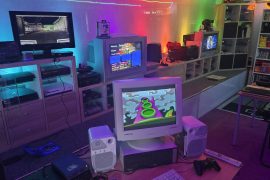
Complete setups involving original light guns, boxes, and CRT televisions create an especially nostalgic experience for collectors. Modern televisions complicate light gun compatibility, which ironically increased appreciation for authentic retro hardware setups.
Playing Saturn light gun games today still feels satisfying in ways modern shooters rarely capture. Physical aiming, split-second reactions, and arcade-style presentation create an energy that remains difficult to replicate through standard controllers alone.
Imports Changed Saturn Collecting Forever
Japanese Saturn collecting became almost unavoidable for serious fans because the Japanese library dwarfed the North American release lineup. Fighters, shooters, visual novels, and rhythm games flooded the Japanese market while Western releases remained comparatively limited.
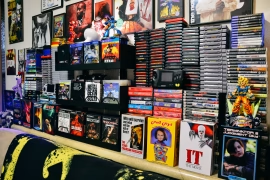
Import shelves filled with colorful Japanese spine cards and elaborate packaging create some of the most visually impressive retro collections anywhere. Systems like the Sega Saturn thrive especially well through import culture because so many essential experiences remained region-exclusive originally.
I think import collecting adds enormous personality to Saturn fandom overall. The console feels deeply connected to Japanese arcade culture and experimental development trends from the late 1990s. Exploring imports makes the Saturn library feel dramatically larger and stranger than most casual players realize.
Why Saturn Collecting Keeps Growing
The Saturn occupies a fascinating position in retro gaming because it feels both historically important and permanently misunderstood. Sega struggled commercially during the Saturn era, yet the console produced some of the most experimental and memorable games of its generation.
Collectors continue gravitating toward Saturn libraries because the platform rewards deeper exploration. Hidden gems, obscure imports, and unusual mechanics appear constantly once someone moves beyond the most famous titles. The sense of discovery remains stronger on Saturn than many more mainstream retro systems.
I still believe part of the Saturn’s collector appeal comes from its underdog reputation. Fans often feel personally attached to preserving the console’s legacy because so many great games became overlooked during the original release period. That emotional investment keeps Saturn collecting passionate and highly active today.
Final Thoughts
The Most Collectible Sega Saturn Games Today represent far more than expensive retro artifacts sitting behind glass cases. These games preserve a unique era where Sega embraced creative risks, arcade energy, and ambitious experimentation even while struggling commercially. That unusual combination gave the Saturn a personality few consoles ever matched.
Collectors continue chasing Saturn games because the library feels unpredictable and deeply rewarding once explored properly. RPGs, shooters, fighters, and arcade ports all contribute to a catalog filled with titles that still stand out decades later. Many of these games remain genuinely enjoyable rather than simply historically important.
The Sega Saturn may never have dominated mainstream gaming commercially, but its collector legacy grows stronger constantly. Shelves filled with Saturn jewel cases still capture attention immediately because the system represents one of gaming’s boldest and strangest chapters. That lasting fascination is exactly why Saturn collecting continues thriving today.