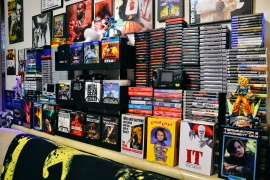
Cardboard ages far faster than most collectors expect. One careless shelf arrangement, a humid room, or direct sunlight hitting a favorite game box for a few months can permanently damage pieces of gaming history that survived decades already. Manuals wrinkle, corners crush, glossy covers fade, and inserts disappear surprisingly easily once collections grow larger. Many retro collectors focus heavily on cartridges and consoles at first, only realizing later that the packaging itself became one of the rarest and most valuable parts of the hobby.
Complete retro games feel entirely different from loose cartridges sitting inside storage bins. Original boxes, foldout maps, registration cards, and instruction manuals preserve the full experience exactly as players received it years ago. How to Protect Retro Game Boxes and Manuals becomes incredibly important once collectors understand how fragile older packaging really is. Preserving cardboard and paper materials takes patience and consistency, but the results dramatically improve both the visual appeal and long-term survival of a retro collection.
Store Boxes Away From Direct Sunlight
Sunlight quietly destroys retro packaging faster than many collectors realize. Colors fade unevenly, glossy surfaces lose vibrancy, and cardboard weakens over time after prolonged exposure. Damage happens gradually enough that collectors often fail to notice until comparing faded boxes beside cleaner copies later.
I once displayed several boxed Super Nintendo Entertainment System games near a window because the shelf looked fantastic under natural light. Months later, I noticed one side of the boxes had become visibly lighter than the protected portions facing inward. The fading was impossible to reverse, and the difference completely changed how I handled display lighting afterward.
Curtains, UV-filtering film, and indirect lighting help tremendously for long-term preservation. Display rooms can still look bright and inviting without exposing valuable packaging to direct sunlight constantly. Collectors often focus on temperature and dust while forgetting how aggressively sunlight damages older printed materials over time.
Use Protective Plastic Cases
Protective cases remain one of the smartest investments retro collectors can make once boxed games enter the collection seriously. Cardboard corners dent extremely easily during normal shelf movement, and even careful handling creates gradual wear over time. Plastic protectors provide a barrier against scratches, pressure, and accidental damage.
The Nintendo Entertainment System and Nintendo 64 libraries especially benefit from protective cases because their cardboard packaging damages so easily. Even minor shelf wear dramatically affects appearance and collector value. Clear protectors preserve the visual presentation while reducing unnecessary risk.
Not all protectors feel equal, though. Cheap flimsy cases sometimes fit poorly or create awkward pressure against corners. Acid-free materials and properly sized protectors work best because they safeguard packaging without introducing new long-term issues.
Handle Manuals With Clean Hands
Retro manuals absorb oils, dirt, and moisture from skin surprisingly quickly. Glossy pages develop fingerprints easily, while matte paper materials stain even faster once handled carelessly. Small habits during handling make enormous differences over time.
I became much more careful after noticing fingerprints slowly appearing across several older manuals despite believing my hands looked perfectly clean beforehand. Since then, I always wash my hands before browsing manuals or inserts from valuable games. That simple routine dramatically reduced accidental smudging and page wear.
Older manuals for systems like the Sega Genesis and PlayStation often used thin paper stock that bends and wrinkles very easily. Rough handling gradually weakens staples and folds, especially around frequently opened pages. Gentle handling preserves both appearance and structural integrity far longer.
Avoid Overcrowded Shelves
Overcrowded shelves quietly damage retro packaging through constant pressure and friction. Boxes squeezed tightly together become difficult to remove safely, increasing the risk of crushed corners and bent edges. Even minor friction eventually wears down glossy surfaces and spine artwork.
Retro collections always look cleaner once shelves allow breathing room between items. Boxed games remain easier to access while reducing accidental damage during browsing. The visual presentation improves significantly once collections stop resembling packed storage closets.
I reduced shelf crowding heavily after realizing I dreaded removing certain boxed games because of how tightly everything fit together. The moment I spaced shelves properly, the entire collection felt easier to enjoy. Accessibility matters just as much as protection in long-term collecting.
Control Humidity Inside the Collection Room
Humidity remains one of the biggest enemies of cardboard and paper materials. Boxes warp, manuals wrinkle, and mold develops surprisingly fast in unstable environments. Collectors living in humid climates face even greater preservation challenges because moisture constantly affects exposed materials.
I discovered humidity damage years ago after opening a storage container filled with slightly warped manuals and soft cardboard packaging. The room itself never felt especially damp, yet subtle moisture exposure over time still affected the collection noticeably. Since then, humidity control became part of my regular preservation routine.
Dehumidifiers help stabilize collection rooms significantly, especially during rainy seasons. Silica gel packs also provide extra protection inside drawers or enclosed storage containers. Stable environmental conditions dramatically extend the lifespan of older gaming materials.
Keep Boxes Off the Floor
Floor storage creates unnecessary risks many collectors overlook initially. Moisture, accidental spills, dust buildup, and pests all become larger threats once retro packaging sits directly on floors. Basements especially create dangerous conditions for cardboard preservation.
Even small water leaks or humidity buildup can ruin valuable packaging quickly. Boxes absorb moisture rapidly, causing warping and permanent structural damage before collectors even notice the problem. Elevating collections through shelving dramatically reduces those risks.
I once helped a collector move boxed games from a basement after a minor plumbing leak damaged several valuable titles. The cartridges survived fine, but the cardboard packaging absorbed moisture almost immediately. Since then, I never store retro boxes anywhere near floor level unnecessarily.
Store Manuals Upright and Supported
Manuals tossed loosely into drawers eventually curl, bend, or wrinkle badly over time. Upright storage methods provide better long-term support while making collections easier to browse. Small magazine holders or dedicated binder systems work surprisingly well for organizing manuals safely.
The Game Boy Advance and Nintendo DS libraries contain especially fragile manuals because handheld packaging often used thinner paper materials. Supporting manuals properly prevents folded edges and weakened spines from developing gradually.
I started organizing manuals separately after realizing loose stacks created constant friction damage during browsing. Once properly supported upright, the manuals remained flatter and easier to access. The difference became obvious within months.
Avoid Tape and DIY Repairs
Collectors sometimes panic after finding damaged boxes or torn manuals and attempt repairs using household tape or glue. Unfortunately, those fixes often create worse long-term damage than the original wear itself. Adhesives discolor paper over time while leaving residue difficult or impossible to remove safely.
Professional restoration exists for extremely valuable items, but amateur repairs usually reduce collector appeal significantly. Preserving original condition, even with imperfections, generally remains safer than risky home restoration attempts.
I once bought a boxed game where a previous owner repaired torn corners using thick clear tape decades earlier. The tape yellowed badly and bonded permanently to the artwork, making the damage far more distracting than the original tear likely looked. That experience completely changed my opinion on quick DIY fixes.
Protect Inserts and Loose Paper Materials
Retro games often included far more than manuals alone. Maps, registration cards, posters, advertisements, and promotional inserts all formed part of the original package experience. These loose paper materials disappear constantly because owners treated them as disposable extras during childhood.
Games like EarthBound became legendary partly because surviving inserts remain so difficult to find complete today. Collectors now value those original extras heavily because they preserve gaming history beyond the cartridge itself.
I store inserts inside acid-free sleeves whenever possible because thin paper tears extremely easily through repeated handling. Organizing inserts carefully also prevents accidental mixing between games, which becomes surprisingly common once collections expand significantly.
Rotate Display Pieces Occasionally
Collectors naturally display favorite boxed games prominently, but long-term display creates uneven exposure to dust, light, and environmental conditions. Rotating displayed items occasionally helps distribute wear more evenly across the collection.
Some collectors leave the same valuable boxes exposed for years without realizing certain sides receive more environmental stress than others. Rotating shelves periodically reduces fading risks and prevents constant pressure against specific edges or surfaces.
I began rotating display pieces every few months after noticing dust accumulation and lighting exposure affecting certain shelves differently. The process also refreshed the room visually because different games gained attention throughout the year instead of the same titles remaining permanently displayed.
Keep Food and Drinks Away From Collection Areas
Food and drinks create obvious risks, yet many collectors still snack casually near valuable retro packaging. One accidental spill can permanently stain cardboard or ruin manuals instantly. Crumbs and sticky residue also attract pests capable of damaging collections further.
I learned this lesson painfully after spilling soda near a shelf containing boxed Nintendo GameCube games years ago. Fortunately, the liquid missed most of the collection, but the close call permanently changed how I treated food around gaming shelves.
Dedicated gaming rooms feel safer once collectors establish simple rules about eating and drinking nearby. Protecting valuable packaging often depends more on preventing accidents than fixing damage afterward.
Archive Valuable Manuals Digitally
Digital backups provide excellent extra protection for fragile manuals and inserts. Scanning rare manuals allows collectors to browse information without repeatedly handling delicate originals. This approach becomes especially useful for extremely valuable or unusually fragile items.
The original manuals for games like Chrono Trigger and Panzer Dragoon Saga can become expensive enough that constant handling feels unnecessarily risky. Digital archives preserve the content while protecting physical originals from additional wear.
I still enjoy flipping through authentic manuals physically, but having digital copies changed how often I handle rare originals. The physical pieces remain preserved while the information itself stays easily accessible anytime.
Final Thoughts
Retro packaging represents far more than disposable cardboard and folded paper. Boxes, manuals, inserts, and promotional materials preserve the full personality of older gaming eras in ways loose cartridges alone never can. The artwork, design choices, and printed details capture moments in gaming history that deserve careful preservation.
How to Protect Retro Game Boxes and Manuals ultimately comes down to consistency and respect for fragile materials. Proper storage, humidity control, protective cases, careful handling, and organized shelving dramatically extend the lifespan of retro packaging collections. Small habits repeated consistently prevent enormous damage later.
The best retro collections always feel alive because collectors preserved not only the games themselves but the entire experience surrounding them. Holding a complete boxed game with its original manual and inserts still creates a feeling modern digital downloads cannot replicate. That connection to gaming history is exactly why preserving these materials matters so much.