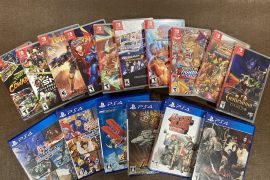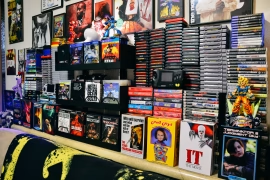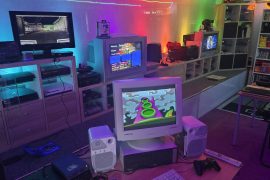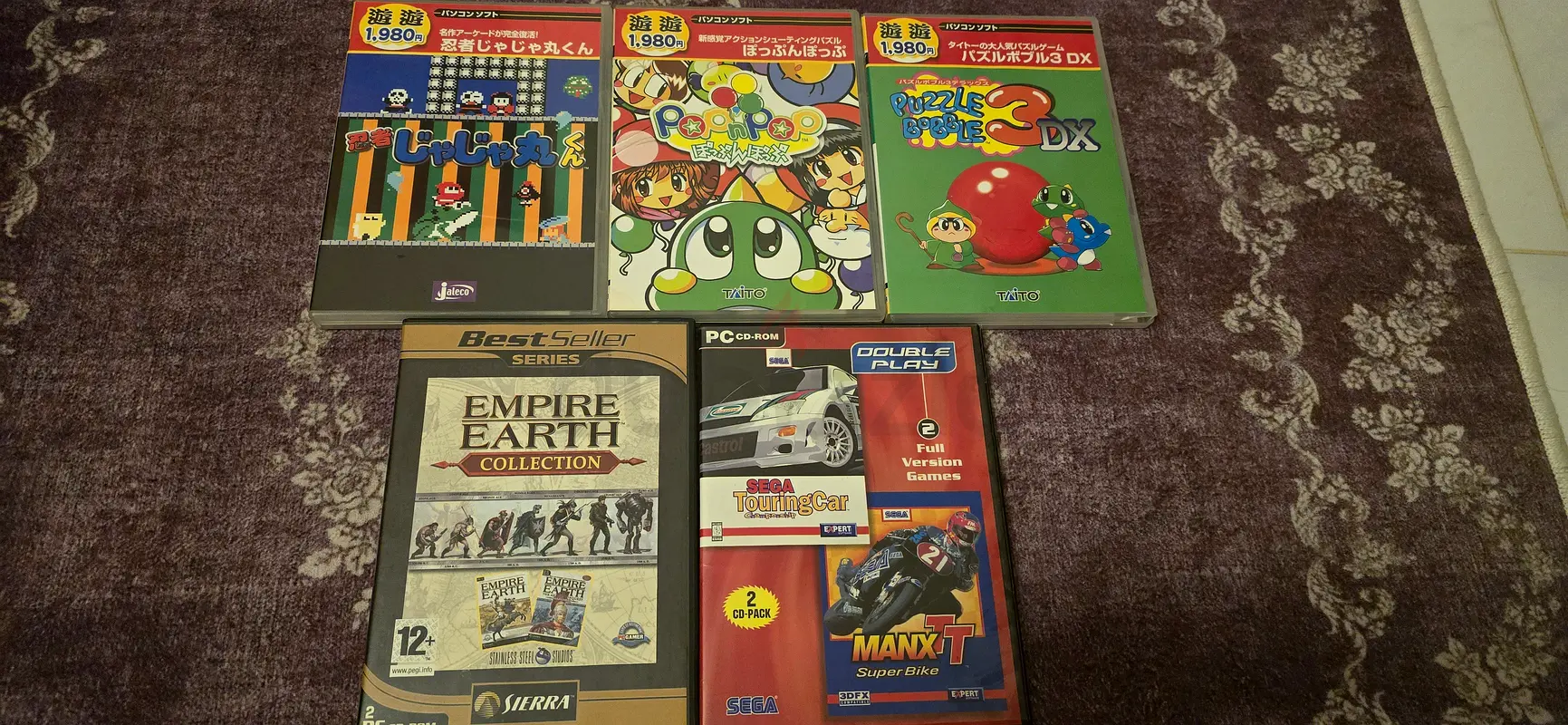
Dusty cartridges hidden beneath old DVDs, forgotten consoles sitting in cardboard boxes, and scratched jewel cases stacked beside outdated electronics still create a rush that modern digital storefronts cannot replicate. Retro collecting remains one of the few hobbies where patience and persistence can still reward collectors with genuine surprises. Prices may have climbed dramatically over the last decade, but affordable retro games have not disappeared completely. The hunt simply became more competitive and far more unpredictable.
Collectors entering the hobby often assume every classic title now costs a fortune because social media focuses heavily on rare games and expensive auction headlines. Reality feels more balanced once someone spends enough time exploring different sources. Cheap retro games still appear constantly for collectors willing to search beyond obvious places. Best Places to Find Cheap Retro Games ultimately comes down to timing, research, patience, and the ability to spot opportunities other buyers overlook.
Garage Sales Still Produce Surprising Finds
Garage sales remain one of the most exciting places to hunt retro games because many sellers simply want old belongings gone quickly. Unlike dedicated collectors or retro stores, homeowners running weekend sales often care more about clearing storage space than researching exact market values. That difference creates occasional opportunities that feel almost impossible elsewhere today.
Arriving early matters tremendously because experienced collectors and resellers actively monitor local garage sale listings. The best finds rarely survive long once doors open. I have found loose Nintendo 64 games mixed beside children’s toys and complete PlayStation 2 bundles sitting under folding tables for surprisingly low prices simply because sellers viewed them as outdated clutter.
Conversations also matter during garage sales more than many people realize. Asking politely about old consoles or games not currently displayed sometimes leads sellers to hidden storage boxes inside garages or closets. Some of my favorite retro pickups happened only because I asked a simple follow-up question before leaving a sale.
Flea Markets Reward Patience
Flea markets can feel chaotic, crowded, and overwhelming, but they remain excellent hunting grounds for retro collectors willing to dig carefully. Vendors often sell mixed inventory ranging from electronics and toys to tools and household goods, which means retro games sometimes appear without heavy price research attached.
The atmosphere differs dramatically from organized retro stores because inventory changes constantly. One weekend may produce nothing interesting, while the next suddenly reveals overlooked cartridges buried beneath random merchandise. Systems like the Sega Genesis and Game Boy appear surprisingly often because older collections still circulate through local markets regularly.
I always enjoy flea markets because the unpredictability keeps collecting exciting. Digging through boxes filled with tangled controllers and dusty cartridges feels far more satisfying than scrolling online listings endlessly. Even unsuccessful trips usually produce interesting conversations with vendors or fellow collectors sharing stories about older gaming eras.
Thrift Stores Can Still Surprise Collectors
Thrift stores became far more competitive after retro collecting exploded online, but worthwhile finds still happen consistently enough to justify regular visits. Many donated games arrive without detailed pricing research, especially at smaller independent thrift locations outside major cities.
The electronics sections often deserve the most attention because games become mixed with DVDs, VHS tapes, or outdated computer equipment. Cartridge games sometimes appear carelessly stacked inside plastic bins, while older disc-based systems like the Dreamcast and Nintendo Wii occasionally surface alongside miscellaneous electronics.
I have learned that consistency matters more than luck with thrift stores. Visiting regularly increases the chances of catching new inventory before resellers grab everything valuable. Some weeks produce absolutely nothing, but unexpected discoveries eventually make the effort worthwhile.
Facebook Marketplace Became a Major Hunting Ground
Local online marketplaces changed retro collecting dramatically over the last several years. Facebook Marketplace especially became one of the most active places for retro game hunting because casual sellers frequently list old collections without deep market research.
Large console bundles create some of the best opportunities. Sellers clearing storage spaces often price entire collections together simply to avoid dealing with individual listings. That approach sometimes leaves valuable games hidden among common titles, especially in older family-owned collections untouched for years.
Fast responses matter enormously on local marketplaces because good deals disappear quickly. I have lost count of how many times I messaged sellers minutes after listings appeared only to discover multiple collectors already competing for the same item. Timing became nearly as important as price knowledge in modern retro hunting.
Estate Sales Offer Hidden Potential
Estate sales feel completely different from garage sales because they often involve entire households untouched for decades. Older game collections sometimes remain exactly where families left them years earlier, especially in homes where children moved away long ago without reclaiming old consoles.
The best estate sales usually happen in homes where organizers are unfamiliar with retro gaming values. Complete collections for systems like the Super Nintendo Entertainment System and Nintendo Entertainment System occasionally appear with modest pricing simply because the focus remains on clearing the property efficiently.
Walking through estate sales often feels strangely nostalgic because the entire environment preserves fragments of another family’s history. Old CRT televisions, faded strategy guides, and stacks of cartridges sitting exactly where someone left them decades ago create a feeling modern retail environments simply cannot replicate.
Pawn Shops Are Often Overlooked
Pawn shops rarely receive as much attention from collectors as flea markets or thrift stores, but they can still produce excellent deals under the right circumstances. Many pawn shop owners focus primarily on modern electronics, jewelry, or tools, meaning retro inventory sometimes sits ignored for long periods.
Negotiation plays a larger role in pawn shops compared to fixed-price retail stores. Sellers may lower prices significantly for older inventory that has remained unsold for months. Disc-based systems like the Original Xbox and PlayStation appear especially often because people traded them frequently over the years.
I have noticed that smaller independent pawn shops tend to offer better retro deals than heavily commercialized chains. Local owners sometimes care less about exact market tracking and more about moving older stock quickly. Friendly conversations and repeat visits can also lead employees to mention incoming inventory before it reaches display shelves.
Retro Game Stores Still Have Affordable Sections
Many collectors assume retro game stores automatically equal overpriced inventory, but that perception is not entirely accurate. While rare games often carry premium pricing, most retro stores also maintain affordable sections filled with overlooked titles and common releases.
Systems like the PlayStation 2 and Xbox 360 still contain enormous libraries of inexpensive games despite growing collector interest. Great gameplay experiences often hide beneath bargain-bin pricing because collectors focus heavily on rarity instead of actual quality.
I enjoy browsing retro stores even when prices exceed local marketplace deals because the atmosphere itself feels welcoming. Talking with knowledgeable staff and seeing organized shelves filled with gaming history creates a different kind of excitement compared to random hunting environments.
Online Auctions Require Discipline
Online auctions remain useful for finding cheaper retro games, though patience and restraint become essential. Bidding wars destroy affordability quickly once collectors become emotionally invested. Smart buyers focus on overlooked listings, poor title descriptions, or auctions ending during unusual hours.
eBay remains one of the largest retro marketplaces globally, but competition is fierce for popular titles. Lesser-known games, incomplete bundles, or poorly photographed listings sometimes slip beneath collector attention long enough to create bargains.
I learned quickly that emotional bidding almost always leads to regret. Setting firm price limits before auctions begin prevents overspending during the final minutes. Walking away from overpriced auctions feels frustrating temporarily, but patience usually creates better opportunities later.
Local Classified Ads Still Matter
Traditional classified websites and local listing apps continue producing worthwhile retro finds because many casual sellers prefer simple local transactions over shipping and auction platforms. These sellers often prioritize convenience instead of maximizing profits.
Older collectors downsizing personal collections sometimes advertise complete setups locally without researching current retro values deeply. Console bundles with controllers, memory cards, and stacks of games create particularly strong opportunities because buyers focus on convenience rather than individual pricing details.
Some of my smoothest retro purchases happened through local classified listings because the transactions felt direct and relaxed. Meeting collectors face-to-face also creates opportunities for conversations, future leads, and occasional bonus items sellers decide to include unexpectedly.
Swap Meets and Community Markets Create Unexpected Opportunities
Community swap meets and local market events attract sellers unloading random household items without specialized knowledge about retro gaming. Games frequently appear beside comic books, old movies, and vintage electronics because sellers treat everything as miscellaneous secondhand merchandise.
These events reward collectors willing to inspect tables carefully instead of scanning quickly for obvious grails. Handheld games especially get overlooked because smaller cartridges disappear easily among larger cluttered displays. The Game Boy Advance and Nintendo DS libraries still contain affordable hidden gems waiting inside mixed handheld lots.
I enjoy community markets because they feel less aggressive than larger collector conventions. The atmosphere remains casual enough that genuine discoveries still happen naturally. Bargaining also tends to feel friendlier compared to heavily commercial retro events.
Buy Bundles Instead of Individual Games
One of the smartest ways to save money involves purchasing bundles rather than hunting games individually. Sellers unloading entire collections often undervalue certain titles because they focus on clearing space quickly instead of maximizing each item separately.
Console bundles become especially valuable once collectors resell duplicates or unwanted games afterward. A single overlooked RPG or rare accessory hidden inside a larger lot can dramatically reduce overall costs once sold separately. Systems like the Nintendo GameCube frequently appear in family bundles containing surprisingly valuable extras.
I built significant portions of my own collection through bundles rather than individual purchases. Sorting through large lots also creates excitement because unexpected surprises appear regularly. Some of the best games in my collection arrived accidentally inside bigger purchases intended mainly for other items.
Build Relationships With Sellers and Collectors
Retro hunting becomes far easier once collectors develop local connections. Sellers often remember repeat buyers who behave respectfully and communicate honestly. Trusted relationships sometimes lead to advance notifications about incoming collections before public listings appear.
Retro stores, flea market vendors, and fellow collectors frequently share leads once familiarity develops over time. Networking creates opportunities impossible through random searching alone. Experienced collectors also trade duplicates or sell directly within trusted communities at fairer prices than public marketplaces.
Some of my favorite retro finds happened entirely through personal connections built over years of collecting. One collector contacted me directly after discovering boxed Sega Saturn games during a house cleanup because he remembered my interest from earlier conversations. Relationships often become more valuable than any single marketplace.
Final Thoughts
Retro collecting may feel more competitive than it did years ago, but affordable games still exist for collectors willing to search patiently and consistently. Great deals rarely appear through luck alone anymore. Persistence, timing, and research matter far more than simply hoping for miracle discoveries.
Best Places to Find Cheap Retro Games ultimately depend on flexibility and curiosity. Garage sales, flea markets, thrift stores, estate sales, online marketplaces, and local connections all offer different advantages depending on the collector’s goals and patience level. The hunt itself remains one of the most rewarding parts of retro gaming culture.
Cheap retro games still hide in dusty boxes, forgotten closets, and overlooked marketplace listings waiting for collectors willing to search carefully. That excitement never really disappears no matter how expensive the hobby becomes overall. Finding a great game at a great price still delivers the same rush collectors felt decades ago, and that feeling keeps the hunt alive.