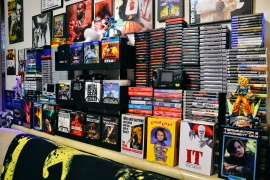
Dust settles fast on old cartridges, cardboard fades under sunlight, and disc cases crack far easier than most collectors expect. Retro gaming collections may look indestructible sitting on shelves, but age slowly affects nearly everything connected to classic gaming hardware. Plastic yellows, manuals wrinkle, batteries die, and humidity quietly damages valuable pieces of gaming history if collectors ignore proper storage. A strong collection is not only built through hunting rare titles and finding great deals. Preservation matters just as much.
The best retro collections always feel alive instead of forgotten. Shelves lined with carefully stored games create a completely different atmosphere compared to stacks of cartridges tossed inside random plastic bins. Proper storage protects value, extends hardware lifespan, and makes the collection far easier to enjoy on a daily basis. Best Ways to Store Retro Game Collections becomes an important topic the moment a hobby grows beyond a few loose cartridges sitting beside a television.
Use Sturdy Shelving Instead of Plastic Tubs
Plastic tubs seem practical at first because they hold large numbers of games cheaply. Many new collectors toss cartridges, controllers, and accessories into storage bins assuming that hidden storage automatically equals protection. The problem appears months later once labels begin rubbing together, cardboard corners dent, and finding specific games becomes frustrating.
Shelving completely changed how I viewed my own collection. Seeing games displayed vertically instead of stacked in piles made the entire hobby feel more organized and personal. Shelves also reduce unnecessary pressure on cartridges and boxed games, helping preserve their shape over time. Older cardboard packaging from systems like the Super Nintendo Entertainment System and Nintendo 64 damages easily when compressed inside crowded bins.
Strong wooden or metal shelving works best because retro collections become surprisingly heavy over time. Cartridge libraries especially add enormous weight once dozens of games begin filling shelves. Cheap particleboard shelving may sag eventually, particularly under larger collections containing consoles, CRT televisions, and boxed hardware.
Protect Games From Sunlight
Sunlight quietly destroys retro collections faster than many collectors realize. Direct exposure fades cartridge labels, bleaches cardboard boxes, and yellows console plastic over time. Some damage happens gradually enough that collectors barely notice until comparing faded items beside cleaner copies years later.
I once stored part of my collection near a window because the natural lighting looked fantastic during the day. Months later, several spine labels had noticeably faded, and one console shell developed uneven discoloration from sunlight exposure. That mistake permanently changed how I positioned shelves and display setups inside gaming spaces.
Rooms with indirect lighting remain ideal for long-term preservation. Curtains, blinds, or UV-filtering window film help reduce exposure dramatically. Retro collections still look great displayed openly, but avoiding direct sunlight becomes essential once collectors invest serious time and money into preserving older games and hardware.
Store Cartridge Games Vertically
Cartridge games may seem nearly indestructible compared to discs, but poor storage still creates unnecessary wear. Stacking cartridges horizontally in large piles increases pressure on labels and makes accidental damage more likely during frequent handling. Vertical storage protects both the cartridges and the shelf presentation itself.
The Nintendo Entertainment System, Sega Genesis, and Game Boy libraries all benefit from upright storage methods. Vertical organization also makes browsing far easier because titles remain visible instead of buried beneath stacks of plastic. A well-organized shelf encourages collectors to revisit games more often instead of forgetting what they own.
Custom cartridge stands and dividers add extra stability for larger collections. Loose cartridges tend to slide awkwardly once shelves become partially filled, especially with smaller handheld games. Simple organizers solve that problem while giving collections a cleaner appearance overall.
Use Protective Cases for Boxed Games
Cardboard packaging remains one of the most fragile parts of retro collecting. Complete copies of older games command huge prices partly because original boxes rarely survived childhood ownership in good condition. Corners crush easily, glossy surfaces scratch quickly, and humidity warps cardboard faster than most collectors expect.
Protective plastic cases became one of the smartest purchases I made after expanding beyond loose cartridges. They prevent shelf wear, reduce accidental dents, and help maintain shape over long periods. Boxed copies of games for systems like the Super Nintendo Entertainment System and Nintendo Entertainment System especially benefit from added protection because replacement packaging costs can become absurdly expensive.
Not all protective cases are equal, though. Cheap plastic sleeves sometimes fit poorly or create pressure points on corners. Acid-free materials and properly sized protectors work best because they preserve the packaging without introducing additional risks over time.
Keep Humidity Under Control
Humidity quietly damages retro collections in ways many beginners fail to notice immediately. Manuals wrinkle, disc artwork sticks to cases, metal contacts corrode, and mold develops in extreme conditions. Collectors living in humid environments face even greater risks because moisture affects electronics constantly.
I underestimated humidity for years until opening a storage box containing several warped manuals and slightly rusted accessories. The damage was not catastrophic, but it proved how quickly poor environmental conditions affect older gaming items. Since then, climate control became part of my routine instead of an afterthought.
Dehumidifiers help tremendously in rooms dedicated to gaming collections. Silica gel packs also provide useful extra protection inside drawers or storage containers holding valuable items. Stable temperatures and low humidity preserve both hardware and packaging far more effectively than random storage conditions.
Organize Cables and Accessories Carefully
Retro collections become chaotic fast once cables, controllers, memory cards, and accessories pile together. Tangled wires create stress on connectors, while loose accessories disappear surprisingly easily inside crowded storage spaces. Organization prevents damage while making setups much easier to manage.
Small labeled bins or drawer systems work extremely well for accessory storage. Controllers for systems like the PlayStation 2, Dreamcast, and Nintendo GameCube remain safer once separated neatly instead of tossed together carelessly. Velcro cable ties also prevent cords from twisting into impossible knots.
One of the most frustrating moments in retro collecting happens when setting up a console only to discover missing cables or damaged connectors. Organized storage eliminates that problem almost entirely. Collections feel far more functional once accessories remain easy to locate and safely preserved.
Avoid Storing Games in Basements or Attics
Basements and attics may seem like convenient storage spaces, but they expose collections to major environmental risks. Temperature swings, moisture buildup, dust, and pests create terrible conditions for retro hardware and packaging. Long-term storage in these spaces often leads to permanent damage.
Cardboard absorbs moisture extremely quickly in humid basements, while attics become dangerously hot during warmer seasons. Electronics also suffer under extreme temperature fluctuations. Plastic shells warp, adhesives weaken, and batteries leak far more easily in unstable environments.
I once helped a fellow collector salvage games from a poorly ventilated attic, and the damage was heartbreaking. Several boxes had warped completely, while manuals stuck together from humidity exposure. Since then, I have always treated climate stability as seriously as the collection itself.
Clean Consoles Before Long-Term Storage
Dust buildup inside retro consoles slowly creates performance problems over time. Fans clog, cartridge pins collect grime, and disc drives struggle once dirt accumulates internally. Storing dirty hardware without maintenance only worsens those issues later.
The Sega Saturn and original PlayStation especially benefit from occasional cleaning because aging disc drives already face wear from decades of use. Cartridge-based systems also require attention since dirty contacts create reading errors and startup problems.
I began cleaning hardware regularly after opening an old console filled with years of dust and pet hair. The system still functioned, but airflow had become severely restricted. Simple maintenance dramatically improves long-term reliability and reduces the chances of unexpected hardware failure.
Separate Valuable Items From Daily Use Games
Some games become too valuable or fragile for constant handling. Rare boxed titles, promotional items, and expensive cartridges benefit from extra protection compared to everyday play copies. Separating display pieces from frequently used games helps preserve condition significantly.
Collectors often maintain “play copies” for expensive titles specifically to avoid damaging valuable originals. Games like EarthBound or Chrono Trigger can cost enormous amounts in complete condition, making careful storage even more important. Constantly removing fragile cardboard packaging increases wear surprisingly fast.
I eventually realized I enjoyed certain games more once I stopped obsessively handling pristine collector copies. Having separate playable versions removed stress while allowing the rarer pieces to remain protected. That balance made the hobby feel more relaxed overall.
Label and Catalog Larger Collections
Large retro collections become difficult to manage without organization systems. Duplicate purchases happen frequently once collectors lose track of what they already own. Searching endlessly for specific titles also becomes frustrating once shelves expand significantly.
Digital catalog apps and spreadsheets help track inventory, pricing, condition, and missing items. Physical labeling systems also work well for storage drawers, accessory bins, and backup hardware. Organized collections save time while making insurance documentation easier if valuable items are involved.
My own collection became dramatically easier to manage after cataloging everything properly. I stopped accidentally buying duplicates and gained a much clearer sense of which systems deserved further attention. Organization transformed collecting from chaotic accumulation into something more intentional.
Display Collections Without Overcrowding
Overcrowded shelves create both visual and physical problems. Tight spacing increases the risk of scratches, bent corners, and accidental drops while making collections harder to appreciate. Games displayed too tightly together also become annoying to remove safely.
Retro collections breathe better once shelves leave room for visibility and airflow. Consoles displayed beside carefully spaced games create a cleaner appearance that feels more curated instead of cluttered. The presentation itself becomes part of the enjoyment once collections stop resembling storage closets.
I reduced shelf crowding significantly a few years ago and immediately noticed the difference. Games became easier to access, labels remained safer from friction damage, and the entire room felt more inviting. Sometimes removing clutter improves a collection more than adding new purchases ever could.
Final Thoughts
Retro gaming collections represent far more than stacks of plastic cartridges and aging electronics. They preserve decades of gaming history, personal memories, and cultural moments that shaped entire generations of players. Proper storage protects those experiences while ensuring future enjoyment remains possible long after original hardware disappears from store shelves.
Best Ways to Store Retro Game Collections ultimately comes down to consistency and care. Shelving, climate control, protective cases, and organization may seem minor individually, but together they dramatically extend the life of both games and consoles. Small improvements made early often prevent major damage years later.
A well-preserved collection always feels more enjoyable because collectors know their favorite games remain safe and accessible. Great storage habits protect not only financial value but also the emotional connection tied to retro gaming itself. That connection is what keeps collectors returning to old cartridges, glowing CRT screens, and classic consoles decade after decade.