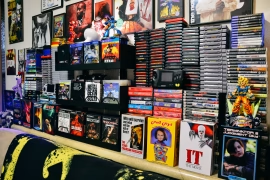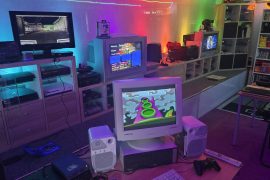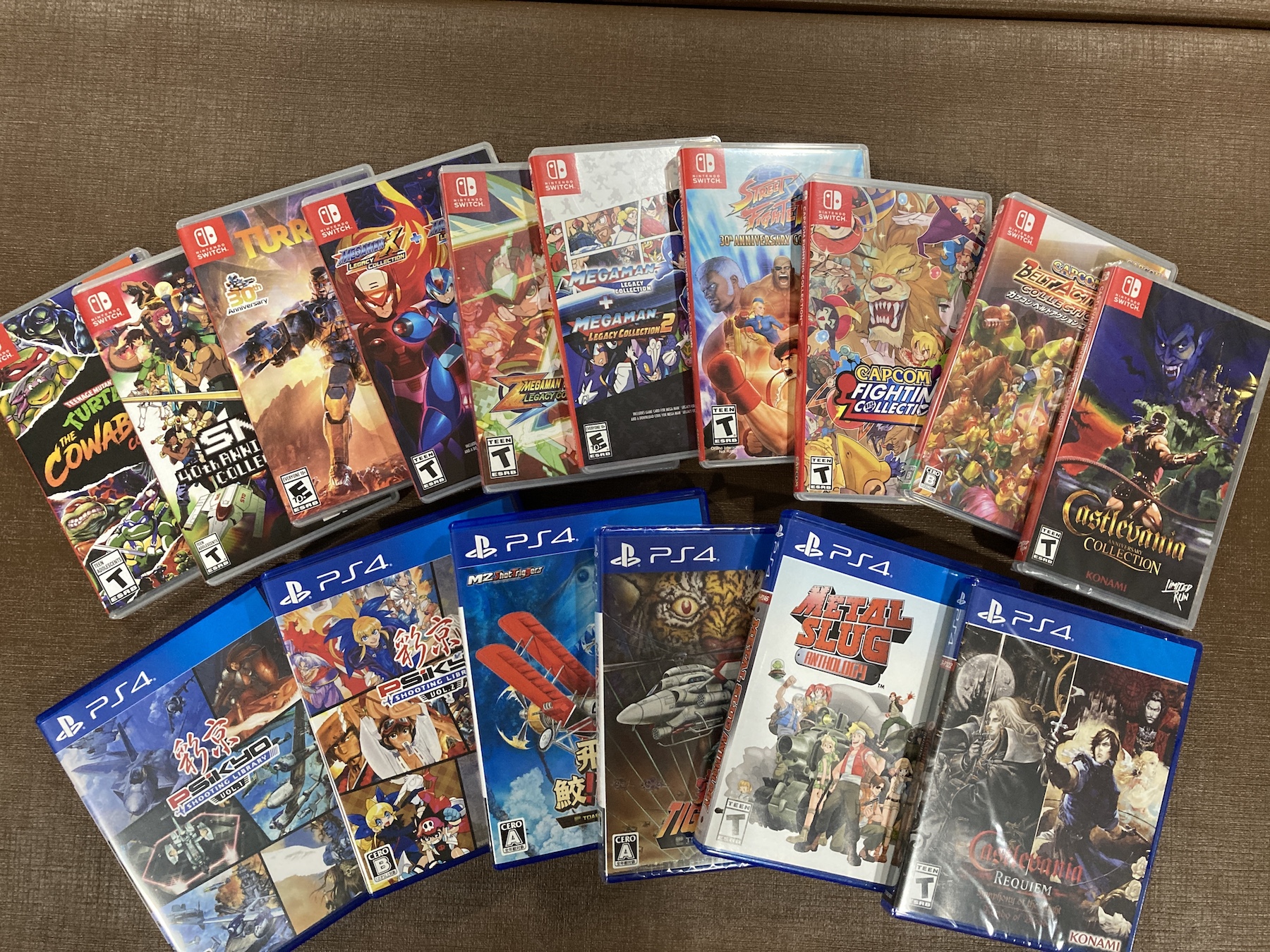
Dust-covered cartridges, faded instruction manuals, and the hum of an old CRT television still carry a kind of magic modern gaming struggles to replicate. Retro games feel physical in a way digital storefronts never will. Sliding a cartridge into a console and hearing that familiar startup sound creates a connection that goes beyond graphics or frame rates. The hobby pulls people in because it feels personal, nostalgic, and surprisingly rewarding.
A strong retro game collection is not built overnight. Shelves packed with rare titles might look impressive online, but the real joy comes from the hunt, the stories behind each purchase, and the memories attached to every system. Some collectors focus on preserving gaming history, while others simply want to replay the titles that defined their childhood. Both approaches work perfectly because retro collecting is flexible enough to fit nearly any budget or interest.
Define the Type of Collection You Want
Walking into retro collecting without a plan can drain your wallet fast. The market is packed with expensive games, limited editions, reproductions, and impulse purchases that seem exciting in the moment but eventually gather dust. A clear direction keeps the hobby enjoyable instead of overwhelming.
One approach is focusing on a single console generation. Collecting for the Nintendo Entertainment System or the Sega Genesis gives structure to the hunt and helps build knowledge around a specific era. Another route is genre collecting. RPG fans often chase classic titles from the Super Nintendo Entertainment System, while arcade enthusiasts may hunt for fighting games or shoot-’em-ups from the 1990s.
I have always found smaller goals more satisfying than trying to own everything. A focused shelf tells a better story than hundreds of random games purchased purely because they were cheap. Building a collection around childhood favorites, overlooked gems, or historically important releases creates a lineup that actually means something.
Start With Consoles That Are Easy to Maintain
Older hardware can be fragile, especially systems that have been sitting in storage for decades. Some consoles age beautifully, while others develop issues that frustrate beginners almost immediately. Starting with reliable hardware saves time and money.
The PlayStation 2 remains one of the best entry points into retro collecting because the library is massive, replacement parts are easy to find, and prices are still relatively reasonable. The Nintendo Wii is another excellent starting point since it can play GameCube titles on early models and remains affordable in many regions. Systems from the cartridge era can be more durable overall, though cleaning contacts becomes part of routine maintenance.
I learned quickly that condition matters more than excitement during a purchase. A console with yellowed plastic or cosmetic scratches might still work flawlessly, but systems with corroded battery compartments, missing cables, or broken controller ports often turn into repair projects. Beginners are usually better off paying slightly more for tested hardware than gambling on mystery bundles.
Learn the Difference Between Loose, Complete, and Sealed Games
Retro collectors use specific terms constantly, and understanding them prevents expensive mistakes. Loose copies include only the game cartridge or disc. Complete in box, often shortened to CIB, means the game includes the original packaging and manuals. Sealed games remain unopened and usually command the highest prices.
A loose copy of Super Mario World might cost a fraction of a pristine boxed version. That difference can shock newcomers, especially once they discover how valuable cardboard packaging has become in the retro market. Manuals, inserts, maps, and promotional flyers also influence pricing far more than many people expect.
I prefer complete copies whenever possible because the packaging feels like part of the historical experience. Looking through old manuals reminds me how much personality older games had before tutorials became fully digital. At the same time, loose copies remain the smartest option for collectors who care more about playing than displaying.
Research Prices Before Buying Anything
Retro gaming prices fluctuate constantly. A title that sells for twenty dollars one month can jump to sixty after a popular YouTuber features it in a video. Walking into a flea market or online auction without price knowledge leaves collectors vulnerable to massive overpaying.
Websites like PriceCharting and completed listings on eBay help establish realistic market values. Local retro shops can sometimes price games higher due to overhead costs, but they also provide the advantage of inspecting items before purchase. Online marketplaces may offer bargains, though shipping damage and counterfeit cartridges remain real risks.
I keep a rough mental price range for every game on my wishlist. That habit prevents emotional spending during conventions or garage sales where excitement can cloud judgment. Some of my best finds happened because I knew immediately that a game was severely underpriced and acted before another collector spotted it.
Watch Out for Reproductions and Counterfeits
Counterfeit retro games have become increasingly common, especially for expensive titles. Reproduction cartridges can look convincing enough to fool beginners, particularly in blurry online photos. While some collectors buy reproductions knowingly for display or casual play, paying authentic prices for fake games is painful.
Popular titles like EarthBound, Chrono Trigger, and Pokémon Emerald are frequently counterfeited because authentic copies are valuable. Learning basic signs of authenticity becomes essential. Cartridge labels, screw types, board layouts, and print quality often reveal whether a game is genuine.
I became far more careful after nearly buying a fake RPG at a convention years ago. The seller seemed legitimate, but the label colors looked slightly off under bright light. That moment taught me to slow down and inspect everything carefully instead of rushing through purchases because of fear someone else might grab the item first.
Garage Sales and Flea Markets Still Matter
The golden age of finding rare games for almost nothing has mostly disappeared, but local hunting still produces surprises. Many sellers simply want to clear space and have no interest in researching market values. Persistence matters more than luck in these situations.
Garage sales often produce the best results early in the morning. Flea markets require patience because inventory changes constantly, and relationships with vendors can lead to future deals. Thrift stores remain unpredictable, though competition from resellers has intensified over the years.
Some of my favorite finds came from places that looked completely unpromising at first glance. A dusty cardboard box beneath a table once led me to a stack of overlooked Nintendo 64 games at prices that felt frozen in 2004. Moments like that keep collectors hunting even after countless disappointing trips.
Protect and Store Your Collection Properly
Retro games are aging pieces of technology, not indestructible toys. Sunlight, humidity, dust, and poor storage conditions slowly damage cartridges, discs, and cardboard packaging. Preservation becomes part of the hobby once a collection begins growing.
Plastic protective cases help preserve boxed games, while cartridge dust covers reduce exposure to dirt. Disc-based games should remain upright instead of stacked to avoid scratches and warping. Temperature control also matters more than many collectors realize, especially in humid environments where mold can destroy paper inserts and labels.
I stopped storing games in cramped plastic bins after noticing slight warping on several cardboard boxes. Shelving systems not only display collections better but also reduce unnecessary wear. A properly organized setup makes it easier to appreciate the collection instead of treating it like hidden clutter.
Focus on Games You Actually Want to Play
Many newcomers become obsessed with rarity before building any genuine connection to the hobby. Expensive games attract attention online, but collecting purely for status usually leads to burnout. A meaningful library feels far more satisfying than one built around market trends.
The retro scene is filled with affordable masterpieces that remain incredibly fun today. Titles like Castlevania: Symphony of the Night, F-Zero X, and Street Fighter II continue earning praise because their gameplay still holds up decades later. Great collecting starts with curiosity, not investment speculation.
I have passed on expensive games that never interested me personally, even when prices seemed reasonable. Meanwhile, I happily replay certain mid-tier titles every year because they still deliver genuine enjoyment. Those are the games that end up defining a collection over time.
Build Relationships Within the Retro Community
Retro gaming communities can be incredibly helpful once you connect with the right people. Local gaming groups, conventions, online forums, and collector communities offer knowledge that takes years to develop independently. Experienced collectors often share maintenance tips, repair advice, and leads on fair deals.
Conventions create opportunities to see rare items in person while meeting sellers and fellow enthusiasts face to face. Conversations at these events often become more memorable than the purchases themselves. The shared passion for gaming history creates an instant connection between strangers.
I have learned more from casual conversations with collectors than from hours of watching videos online. One longtime arcade collector once spent nearly thirty minutes explaining how to identify sun-faded labels on cartridge games. Advice like that becomes invaluable over time because experience cannot be replicated through quick internet searches alone.
Avoid Turning the Hobby Into Pure Investment Hunting
Retro gaming prices have exploded in recent years, attracting investors who see old games as financial assets instead of entertainment history. While some titles appreciate dramatically in value, chasing profits alone changes the entire atmosphere of collecting.
Speculative buying creates inflated prices and encourages hoarding. Sealed grading culture has pushed certain games into absurd territory, especially for iconic franchises like The Legend of Zelda and Super Mario Bros.. That environment can intimidate newcomers who simply want to enjoy classic games without treating shelves like a stock portfolio.
I still believe the healthiest collections come from genuine enthusiasm. Games tied to personal memories tend to remain meaningful long after market trends shift. A modest shelf filled with favorites often feels more rewarding than a room packed with expensive titles purchased solely because they were considered “good investments.”
Explore Imports and Lesser-Known Titles
Many collectors focus exclusively on mainstream North American releases, but some of the most fascinating retro games never left Japan or Europe. Import collecting opens the door to unique artwork, unusual genres, and hidden classics overlooked by western audiences.
Japanese versions of older games frequently cost less than English releases, especially for cartridge-based systems. Fighting games, puzzle titles, rhythm games, and shoot-’em-ups often remain fully playable even without language knowledge. Consoles like the Sega Saturn and PC Engine become far more interesting once imports enter the picture.
Browsing import shelves always feels refreshing because the artwork and packaging capture a different era of gaming culture. Some Japanese box art is wildly more creative than western releases, giving familiar games an entirely different personality. Exploring beyond mainstream releases keeps the hobby exciting long after the obvious classics are collected.
Patience Separates Great Collectors From Impulsive Buyers
Retro collecting rewards patience more than almost any other hobby I know. Rushing to complete a shelf usually leads to overpaying, settling for poor condition copies, or buying games that never truly mattered in the first place. The slow build is part of what makes the experience satisfying.
Some collectors spend years searching for specific titles in the right condition at the right price. That process creates anticipation modern digital purchases simply cannot replicate. Finding a long-sought game unexpectedly in the wild still delivers a thrill that online shopping rarely matches.
How to Start Collecting Retro Video Games becomes far easier once patience replaces urgency. Great collections evolve naturally through curiosity, persistence, and personal taste. Years later, the stories behind the games often become just as valuable as the games themselves.
Final Thoughts
Retro gaming collecting blends nostalgia, history, technology, and personal storytelling into one deeply rewarding hobby. Shelves filled with cartridges and discs represent far more than entertainment products. Each title reflects a different moment in gaming culture, from the arcade boom of the 1980s to the experimental creativity of the early 2000s.
The best collections are rarely the most expensive. They are the ones built carefully over time with intention and enthusiasm. A small lineup of games that genuinely matter to you will always feel more meaningful than chasing trends or internet approval.