Neon lights, cigarette smoke, buzzing CRT screens, and the sound of quarters clinking into cabinets once defined entire weekends for arcade fans. Arcades were chaotic, loud, competitive, and unforgettable. Popular giants like Pac-Man, Street Fighter II, and Mortal Kombat still receive praise today, but dozens of brilliant arcade games quietly disappeared over the years despite offering gameplay ideas that still feel fresh and exciting.
Many of those forgotten titles experimented with mechanics modern gaming continues chasing today. Cooperative chaos, stylish action, fast multiplayer competition, and creative cabinet designs appeared long before online gaming became dominant. Forgotten arcade games that deserve a comeback still have the power to entertain modern audiences because strong gameplay never truly becomes outdated.
Sunset Riders Captured Pure Arcade Energy
Sunset Riders delivered nonstop action with a level of personality many modern shooters struggle to match. Wild West settings rarely felt this energetic, and blasting through outlaws while dramatic music played created an experience that instantly grabbed attention. I could spend hours replaying levels simply because the pacing never slowed down.
The cooperative gameplay made the experience even better. Working through stages with friends while scrambling to avoid bullets created chaotic moments that always ended with laughter or shouting across the arcade cabinet. Each playable character also had enough personality to make repeated sessions feel different.
Its visual style remains appealing decades later because it embraces exaggerated animation and colorful environments instead of realism. A modern remake with online co-op and updated visuals could thrive easily while preserving the fast-paced arcade spirit that made the original unforgettable.
Alien vs. Predator Deserved More Recognition
Alien vs. Predator blended science fiction action with brutal arcade combat in spectacular fashion. Fighting xenomorph hordes alongside heavily armed marines and Predators created instant excitement from the moment the game started.
Combat felt satisfyingly aggressive because characters had distinct weapons, movement styles, and attack patterns. One player could dominate enemies with heavy firepower while another rushed forward using close-range attacks. I always admired how chaotic the screen became during larger battles without losing gameplay clarity.
The atmosphere also separated the game from standard beat ‘em ups. Dark futuristic environments, detailed enemy animations, and intense sound design captured the tone of the Alien franchise surprisingly well. A modern revival could easily attract both retro gamers and science fiction fans.
Crazy Taxi Still Feels Wild and Addictive
Crazy Taxi transformed reckless driving into one of the most entertaining arcade experiences ever created. Racing through crowded streets while passengers screamed for faster routes felt wonderfully chaotic in the best possible way.
The game rewarded aggression instead of caution. Drifting around corners, launching taxis over hills, and narrowly missing traffic became essential for achieving high scores. That arcade-style design made short sessions incredibly addictive because improving performance always felt achievable.
Music also played a huge role in the game’s identity. Punk rock tracks blasted through speakers while players sped through cities at ridiculous speeds, giving the experience nonstop momentum. A true comeback with modern cities and online leaderboards could easily succeed today.
The Simpsons Arcade Game Still Delivers Cooperative Fun
The Simpsons Arcade Game captured the humor and energy of the animated series perfectly. Playing as Homer, Marge, Bart, or Lisa while battling bizarre enemies across Springfield felt like stepping directly into a cartoon episode.
Cooperative gameplay created some of the game’s best moments. Team attacks encouraged players to work together, and the simple combat system allowed nearly anyone to join immediately. Arcades became crowded around cabinets because the game was accessible, funny, and consistently entertaining.
Modern multiplayer games often focus heavily on competition, which makes the cooperative simplicity of this arcade classic feel refreshing today. A comeback featuring hand-drawn visuals and four-player online co-op could easily reconnect players with that classic arcade energy.
House of the Dead 2 Perfected Light Gun Action
The House of the Dead 2 embraced ridiculous horror storytelling and nonstop zombie action with complete confidence. Shooting through hordes of undead creatures while delivering hilariously dramatic dialogue created an unforgettable arcade atmosphere.
The branching paths added replay value that many shooters lacked during that era. Different choices changed enemy encounters, level progression, and endings, which encouraged repeated playthroughs. I always enjoyed replaying stages to uncover alternate routes and hidden surprises.
Light gun games largely disappeared as arcades declined, but the concept still feels exciting. Motion controls and virtual reality technology could easily revive the genre while preserving the fast-paced intensity that made House of the Dead 2 so entertaining.
Cadillacs and Dinosaurs Mixed Two Brilliant Ideas
Cadillacs and Dinosaurs sounded ridiculous on paper but somehow worked perfectly in execution. Driving through post-apocalyptic environments filled with dinosaurs while fighting gangs created one of the strangest and most memorable arcade settings ever designed.
Combat felt impactful because punches, weapons, and environmental attacks carried satisfying weight. Enemies flooded the screen constantly, which kept players moving aggressively instead of cautiously. The game balanced chaos and control remarkably well.
Its world also had genuine personality. Dinosaurs roaming ruined cities gave the environments unique identity compared to more generic arcade beat ‘em ups. Modern audiences would probably embrace the absurd premise instantly if the series ever returned.
OutRun Turned Driving Into Relaxation
OutRun approached racing differently by focusing less on strict competition and more on atmosphere. Cruising through scenic roads while vibrant music played created an almost meditative arcade experience.
Branching paths encouraged exploration and replayability. Different routes offered unique scenery, traffic patterns, and challenges, making long sessions feel varied instead of repetitive. I always appreciated how the game created excitement without relying entirely on aggressive difficulty.
Its visual style remains timeless because it embraces bright colors and smooth motion rather than realism. Modern racing games often prioritize simulation, but OutRun proved arcade driving can still feel exciting through style and atmosphere alone.
Snow Bros. Deserved Greater Popularity
Snow Bros. delivered addictive cooperative gameplay with simple mechanics that remained entertaining for hours. Rolling enemies into giant snowballs and knocking them across stages created satisfying chain reactions that rewarded smart positioning.
The game’s pacing helped it stand out. Levels moved quickly, enemies constantly pressured players, and matches rarely dragged. Cooperative sessions became especially chaotic during later stages where survival required precise movement and teamwork.
Its colorful visuals and charming animations still hold up surprisingly well today. A modern comeback could easily succeed as a downloadable cooperative platformer while preserving the original game’s playful energy.
Time Crisis Revolutionized Arcade Shooters
Time Crisis introduced cover mechanics that changed arcade shooters permanently. Ducking behind cover with a foot pedal added tension and strategy absent from simpler light gun games.
The pacing remained relentless from beginning to end. Enemies attacked aggressively, timers created pressure, and quick reflexes became essential for survival. I still remember the adrenaline rush of barely surviving intense firefights during crowded arcade sessions.
Few arcade experiences felt as cinematic during the 1990s. Explosions, dramatic camera angles, and fast movement created the feeling of starring inside an action movie. Modern technology could revive that formula beautifully with motion controls or VR systems.
Rival Schools Brought Personality to Fighting Games
Rival Schools blended anime-inspired storytelling with accessible fighting mechanics in a way that felt refreshing compared to more serious competitors. High school students battling through exaggerated martial arts scenarios gave the game enormous charm.
Team-up attacks became one of its strongest features. Calling partners into battle created flashy combinations that encouraged experimentation and added excitement to matches. Competitive sessions felt dramatic without becoming overly technical for casual players.
Character variety also helped the game stand out. Athletes, delinquents, teachers, and martial artists all brought distinct personalities and fighting styles into combat. A comeback could easily attract modern fighting game audiences searching for something more colorful and playful.
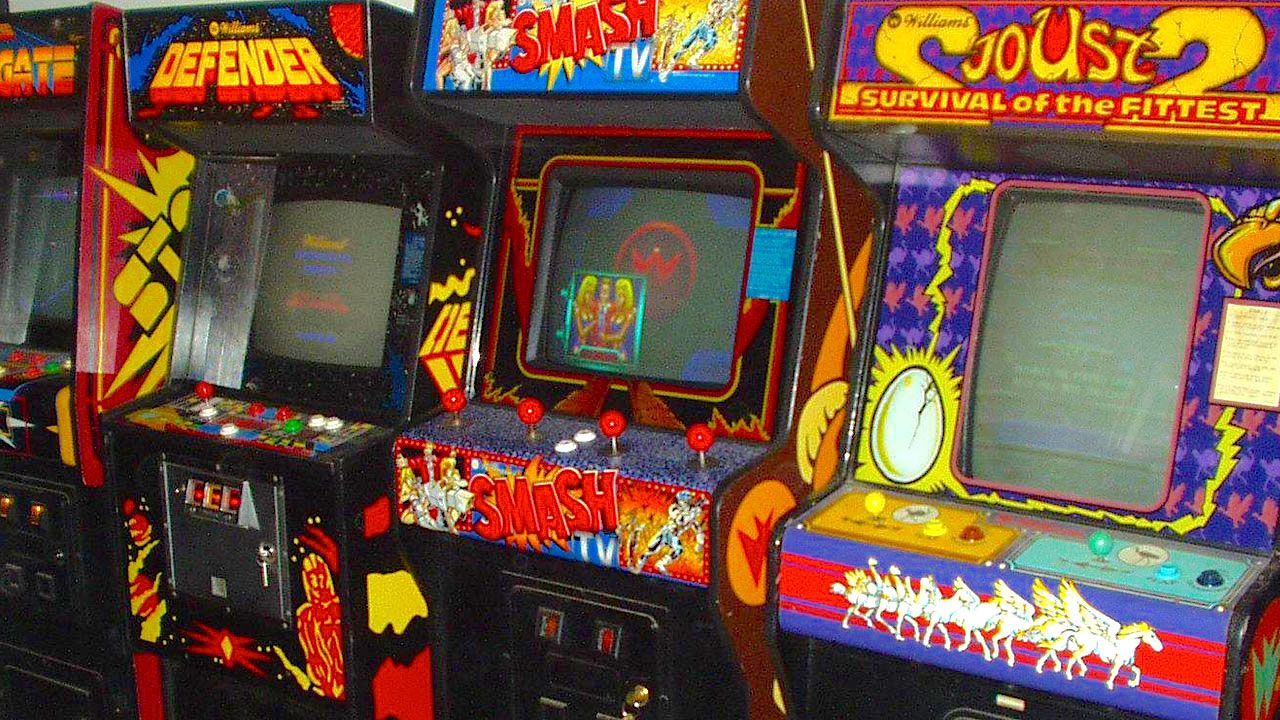
Gauntlet Created Cooperative Chaos Before Online Gaming
Gauntlet became legendary because of its cooperative gameplay. Four players battling monsters together while desperately searching for food created frantic teamwork rarely seen during the arcade era.
Character classes encouraged strategic cooperation naturally. Warriors excelled in combat while wizards dominated with magic attacks, which pushed players toward teamwork instead of individual play. I always enjoyed how quickly friendships turned competitive whenever health resources became limited.
Modern multiplayer gaming owes a tremendous debt to Gauntlet. Cooperative dungeon crawlers remain popular today, which makes it surprising the franchise has not received a truly major modern revival.
Forgotten Arcade Games That Deserve a Comeback Still Offer Unique Ideas
Many arcade games disappeared not because they lacked quality, but because the arcade industry itself declined dramatically. Home consoles grew more powerful, online multiplayer expanded rapidly, and local arcades slowly faded from mainstream entertainment culture.
Despite that decline, many forgotten arcade games still contain ideas modern gaming rarely captures successfully. Fast local multiplayer, immediate accessibility, stylized gameplay, and score-based competition created experiences designed purely for fun rather than endless progression systems.
Arcade games also respected pacing differently. Most titles grabbed players immediately because they had only seconds to earn attention inside noisy arcades filled with competing machines. That direct design philosophy still feels refreshing compared to modern games overloaded with tutorials and menus.
Arcades Thrived on Social Energy
Arcades were never only about the games themselves. Crowded rooms filled with spectators, rivalries, and cooperative teamwork created excitement difficult to replicate online. Watching skilled players dominate cabinets often inspired others to improve or challenge them directly.
Forgotten arcade games that deserve a comeback could thrive partly because modern players miss those social experiences. Local cooperative gaming has become less common, yet many players still crave shared experiences in physical spaces rather than isolated online matchmaking.
Modern arcades, gaming bars, and retro conventions already demonstrate renewed interest in classic gaming culture. Reviving forgotten titles with updated visuals and online features could reconnect older players with nostalgia while introducing younger audiences to arcade design philosophy.
Why These Games Still Matter
Gameplay remains timeless when mechanics feel satisfying. Smooth controls, memorable music, exciting pacing, and strong visual identity matter far more than realistic graphics. Many forgotten arcade games continue feeling enjoyable because they focused intensely on player engagement rather than technical spectacle.
Modern gaming sometimes prioritizes massive worlds and endless content over immediate fun. Arcade games rarely had that luxury. They needed to entertain instantly, maintain excitement continuously, and convince players to spend another coin after losing.
That design mentality created some of the purest gameplay experiences in gaming history. Revisiting forgotten arcade classics often reminds me how effective simple but polished mechanics can still be decades later.
Final Thoughts
Arcade history stretches far beyond the handful of titles most players remember immediately. Beneath the giants that dominated headlines existed dozens of creative, stylish, and addictive games that deserved far greater recognition than they ultimately received.
Forgotten arcade games that deserve a comeback still have enormous potential because their core ideas remain entertaining today. Cooperative beat ‘em ups, light gun shooters, arcade racers, and fast-paced multiplayer titles could easily thrive again with modern technology and online connectivity.
The strongest arcade games succeeded because they captured pure excitement. They respected players’ time, delivered instant action, and created unforgettable social experiences around glowing cabinets and crowded rooms. Long after many arcades disappeared, those forgotten classics still deserve another chance to remind players how thrilling gaming can feel when fun becomes the entire focus.