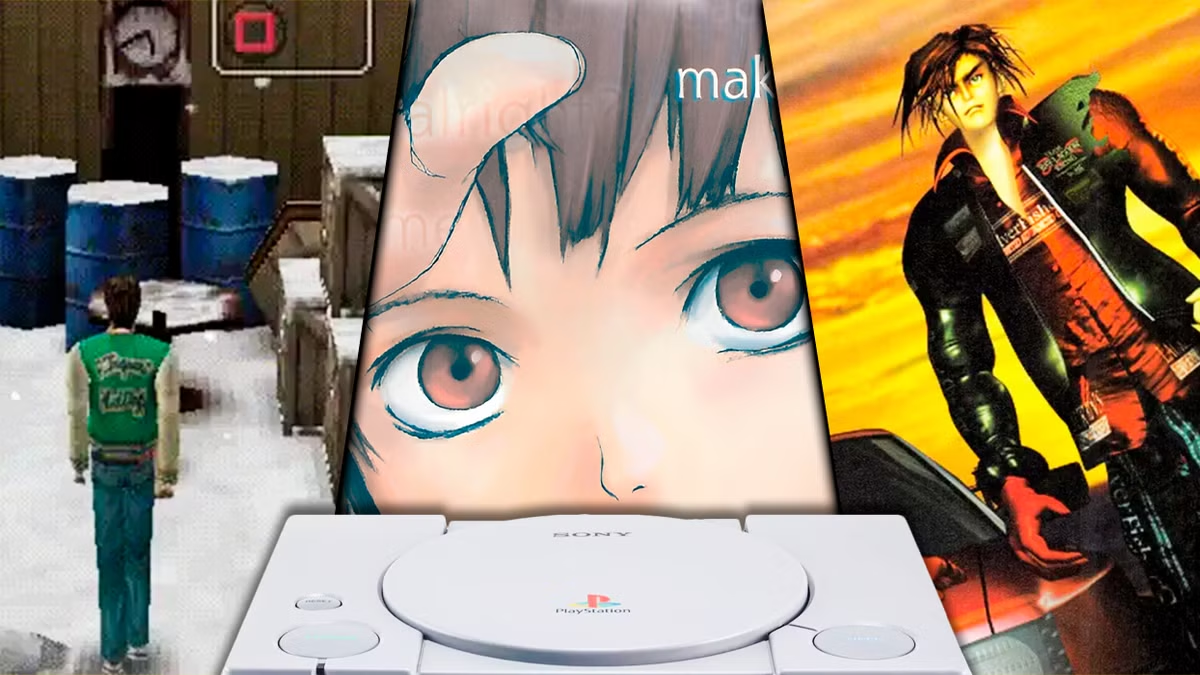
Dust-covered memory cards, scratched jewel cases, and the sound of a PlayStation startup screen still trigger memories stronger than most modern gaming experiences. The original PlayStation arrived at a moment when developers were experimenting fearlessly, pushing gaming into cinematic storytelling, 3D exploration, survival horror, and competitive multiplayer in ways that felt revolutionary. Many games from that era have aged poorly, but a select group continue to feel remarkably enjoyable decades later.
What surprises me most is how often I return to PlayStation 1 classics despite having access to modern hardware with photorealistic graphics and enormous open worlds. The best PS1 games that still hold up today succeed because their core gameplay remains satisfying. Tight controls, memorable music, creative mechanics, and unforgettable atmosphere continue carrying these titles long after the hardware became obsolete.
Metal Gear Solid Still Feels Cinematic
Metal Gear Solid changed my expectations for storytelling in games almost instantly. Sneaking through Shadow Moses while avoiding guards created constant tension, but the real magic came from presentation. Voice acting, dramatic camera angles, and cinematic pacing made the game feel years ahead of its time.
Stealth gameplay remains surprisingly polished even today. Enemy patrol patterns force patience, and rushing through areas usually leads to chaos. The radar system, cardboard boxes, and gadget variety give players multiple ways to approach situations, which keeps replay sessions fresh instead of repetitive.
Boss fights remain some of the most creative encounters ever designed. Psycho Mantis reading memory cards and forcing players to switch controller ports still feels legendary because it broke expectations completely. Few modern games take risks with gameplay ideas the way Metal Gear Solid did during the late 1990s.
Castlevania: Symphony of the Night Refuses to Age
Castlevania: Symphony of the Night remains one of the smoothest side-scrolling games ever created. Movement feels fluid, combat stays responsive, and exploration constantly rewards curiosity. I can replay it years apart and still lose hours uncovering hidden areas inside Dracula’s castle.
Its progression system deserves enormous credit for the game’s longevity. Gaining stronger weapons, abilities, and transformations creates a satisfying sense of momentum throughout the adventure. Backtracking never feels tedious because new powers constantly unlock previously unreachable sections.
The gothic art direction and soundtrack also continue holding up beautifully. Pixel art aged far more gracefully than early polygon graphics, and Symphony of the Night proves that atmosphere matters more than technical realism. The castle still feels haunting, mysterious, and strangely comforting all at once.
Resident Evil 2 Mastered Survival Horror
Resident Evil 2 captured fear through pacing rather than nonstop action. Exploring the Raccoon City Police Department with limited ammunition created constant anxiety. Opening doors became stressful because danger could appear at any moment.
The dual-character system added replay value rarely seen during that era. Leon and Claire experienced overlapping events differently, which encouraged multiple playthroughs. I remember replaying the game repeatedly just to see alternate scenarios and hidden interactions.
Its atmosphere still works because the game understands restraint. Music disappears during tense moments, environments remain claustrophobic, and enemy placement constantly keeps players uncomfortable. Many modern horror games rely heavily on jump scares, but Resident Evil 2 built dread through anticipation.
Final Fantasy VII Changed RPG Storytelling
Final Fantasy VII delivered an emotional scale that felt massive during the PlayStation era. Midgar alone created the impression of a living world far beyond anything I had experienced previously in gaming. The combination of pre-rendered backgrounds, cinematic cutscenes, and unforgettable music gave the adventure extraordinary atmosphere.
Combat remains enjoyable because of the Materia system. Characters become customizable through magic combinations and strategic builds rather than rigid class restrictions. Experimenting with different setups still feels rewarding today because the mechanics encourage creativity.
The story continues resonating decades later because its themes remain relevant. Corporate greed, environmental destruction, identity struggles, and personal loss give the narrative emotional weight beyond typical fantasy adventures. Even players unfamiliar with retro gaming often become invested surprisingly quickly.
Silent Hill Still Creates Unease
Silent Hill unsettled me in ways few horror games ever managed. Thick fog covered technical limitations brilliantly while also creating terrifying uncertainty. Hearing static from the radio while enemies approached somewhere beyond visibility turned exploration into psychological torture.
Unlike many horror games, Silent Hill focused heavily on mood and symbolism. Monsters often represented emotional trauma rather than simple threats, which gave the experience deeper psychological impact. The town itself felt alive, hostile, and deeply mysterious.
Sound design deserves enormous praise for why the game still works. Industrial noises, distorted music, and eerie silence combine into one of the most disturbing audio experiences in gaming history. Even outdated visuals cannot weaken the atmosphere created through sound alone.
Tony Hawk’s Pro Skater 2 Defined Arcade Sports Gaming
Tony Hawk’s Pro Skater 2 delivered pure gameplay addiction from the moment I landed my first successful combo. The controls felt responsive enough to reward skill while remaining accessible to beginners. Chaining tricks together became incredibly satisfying once muscle memory developed.
Level design played a massive role in the game’s longevity. Schoolyards, hangars, and urban environments were filled with hidden routes, secret tapes, and creative lines waiting to be discovered. I spent countless hours replaying stages searching for better combos and higher scores.
The soundtrack also became iconic. Punk rock and hip-hop tracks matched the game’s energy perfectly, turning ordinary sessions into memorable experiences. Few sports games have ever captured style and momentum as effectively as Tony Hawk’s Pro Skater 2.
Gran Turismo Set the Standard for Racing Sims
Gran Turismo impressed players by treating cars seriously. Instead of exaggerated arcade handling, the game focused on realism, progression, and vehicle collection. Buying used cars and gradually upgrading them created a rewarding long-term experience.
Driving mechanics still feel surprisingly solid for a PlayStation 1 title. Different vehicles handle distinctly, and mastering corners requires patience rather than reckless speed. That balance between realism and accessibility helped the game appeal to both casual players and car enthusiasts.
Progression also remains addictive today. Earning licenses, winning tournaments, and unlocking faster vehicles creates constant motivation to continue. Modern racing games owe a tremendous amount to Gran Turismo’s formula.
Crash Bandicoot 3 Balanced Challenge and Fun
Crash Bandicoot 3: Warped refined the series into one of the best platformers on the console. Movement felt precise, levels remained creative, and difficulty scaled naturally without becoming overwhelming too early.
What keeps the game enjoyable today is variety. Traditional platforming mixes with motorcycle stages, underwater sections, airplane missions, and time trials. That constant change of pace prevents the adventure from becoming repetitive over long play sessions.
Collectibles add strong replay value as well. Gems, relics, and hidden paths encourage players to revisit stages repeatedly while improving performance. The challenge remains satisfying because success depends on skill rather than luck.
Tekken 3 Perfected Fighting Game Flow
Tekken 3 remains incredibly fun because its combat feels smooth and responsive even by modern standards. Characters move quickly, combos connect cleanly, and matches maintain exciting pacing from start to finish.
The roster diversity gave players endless reasons to experiment. Jin Kazama, Hwoarang, Eddy Gordo, Nina Williams, and King all offered dramatically different playstyles. I spent hours practicing combos and memorizing counters while competing against friends.
The game also balanced accessibility with depth exceptionally well. Beginners could enjoy casual matches immediately, but advanced players discovered layers of strategy through movement, timing, and punishment systems. That balance helped Tekken 3 age gracefully.
Ape Escape Introduced Creative Gameplay Mechanics
Ape Escape felt unique because it embraced the DualShock controller fully. Capturing runaway monkeys with gadgets required precision and creativity, making gameplay feel fresh compared to standard platformers of the era.
The gadget system kept progression entertaining throughout the adventure. Slingshots, stun clubs, remote-control cars, and flying gadgets constantly expanded gameplay possibilities. Unlocking new tools always created excitement because each one changed how levels could be explored.
Humor also helped the game remain memorable. The mischievous monkeys displayed ridiculous personalities, and the lighthearted tone made the adventure consistently enjoyable. Few platformers balanced comedy and gameplay this effectively.
Parasite Eve Blended Horror and RPG Mechanics
Parasite Eve combined cinematic horror with role-playing progression in a way that still feels unusual today. Battles flowed in real time while allowing strategic pauses for attacks and abilities, creating tense encounters that rewarded quick thinking.
The setting gave the game a grounded atmosphere rarely seen in RPGs. Exploring a parasite-infested New York City felt unsettling yet believable. That urban horror style separated Parasite Eve from fantasy-heavy competitors.
Its pacing also deserves recognition. The game remains concise compared to sprawling modern RPGs, which helps maintain momentum from beginning to end. Story progression rarely drags, making repeat playthroughs surprisingly appealing.
Vagrant Story Rewarded Patience and Skill
Vagrant Story demanded patience but rewarded players with one of the deepest combat systems on the PlayStation. Timing chain attacks correctly felt immensely satisfying, especially during difficult boss encounters.
Weapon crafting and customization added another layer of complexity. Experimenting with blades, affinities, and enemy weaknesses required strategy instead of simple grinding. The game trusted players to learn systems gradually rather than oversimplifying mechanics.
Its visual presentation also remains impressive. Character models and cinematic direction pushed the PlayStation hardware remarkably hard, creating dramatic scenes that still look stylish despite technical limitations.
Why PS1 Games Continue Holding Up
Many PlayStation 1 classics succeed today because developers focused heavily on gameplay identity rather than visual realism alone. Technical limitations forced creativity, leading studios to experiment with atmosphere, mechanics, and pacing instead of relying on graphical spectacle.
Music also played a major role in the longevity of these games. Soundtracks from titles like Final Fantasy VII, Silent Hill, and Castlevania remain instantly recognizable decades later. Strong audio design creates emotional memory that survives hardware generations.
Replayability mattered too. Hidden content, alternate endings, unlockable characters, and score chasing encouraged players to revisit games repeatedly. That design philosophy gave many PS1 titles lasting value that modern games sometimes struggle to replicate.
The Best PS1 Games That Still Hold Up Today Earned Their Legacy
Nostalgia certainly influences retro gaming discussions, but nostalgia alone cannot keep players engaged for decades. The best PS1 games that still hold up today remain enjoyable because their mechanics continue working on a fundamental level. Responsive controls, memorable worlds, and satisfying progression still matter regardless of graphical age.
Modern developers continue borrowing ideas from PlayStation classics because those foundations remain effective. Survival horror owes enormous debts to Resident Evil and Silent Hill. Cinematic storytelling still follows paths pioneered by Metal Gear Solid and Final Fantasy VII.
Returning to these games often reminds me how focused older titles felt. Developers worked within strict hardware limitations, which forced tighter pacing and clearer gameplay priorities. That focus created experiences that remain engaging long after the console itself disappeared from store shelves.
Final Thoughts
The original PlayStation represented a turning point in gaming history. Developers experimented fearlessly with storytelling, horror, platforming, racing, stealth, and role-playing mechanics in ways that shaped the industry permanently. Many titles faded with time, but the strongest releases continue feeling rewarding decades later.
Revisiting these classics proves that great gameplay survives technological change. Sharp visuals and massive budgets cannot replace memorable design, responsive controls, or atmosphere that genuinely pulls players into another world. The games that endure are the ones that still feel fun after the novelty fades.
The best PS1 games that still hold up today earned their reputation through creativity, personality, and timeless mechanics. Long after memory cards stopped saving progress and CRT televisions disappeared from living rooms, those adventures continue reminding players why the PlayStation era remains one of gaming’s most important generations.