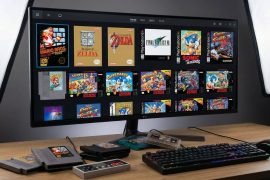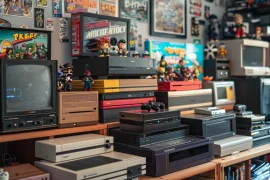
Crowds gathered around arcade cabinets long before livestreams, million-dollar tournaments, and professional gaming organizations existed. Rivalries formed inside smoky arcades, college computer labs, and crowded living rooms where players fought for bragging rights, local reputation, and pure pride. Competitive gaming did not suddenly appear with modern esports. Its roots stretch back decades into an era where passion mattered far more than sponsorships, and recognition came from skill witnessed directly by people standing only a few feet away.
Modern esports often feels massive, corporate, and globally connected, but the spirit driving it today was born in much smaller spaces. I have always found it fascinating how naturally competitive gaming emerged once players realized video games could become tests of reflexes, strategy, endurance, and creativity. The history of competitive gaming before esports reveals how communities built rivalries, tournaments, and gaming culture from the ground up long before anyone imagined packed arenas or multimillion-dollar prize pools.
Arcades Created the First Gaming Battlegrounds
Arcades became the birthplace of organized competitive gaming because they brought players together physically in shared public spaces. Machines lined walls while crowds formed naturally around the strongest local players. High scores displayed publicly on screens transformed games into constant challenges where strangers competed without even meeting directly.
That environment created an entirely different relationship between players and games. Scores were not private achievements hidden inside bedrooms. They became public statements visible to anyone entering the arcade. A respected name at the top of a machine carried serious local status because everyone understood how difficult it was to earn.
I still think arcades captured a raw form of competition modern gaming sometimes lacks. Players faced pressure directly because rivals and spectators stood nearby watching every mistake and success in real time. That face-to-face atmosphere built emotional intensity impossible to fake.
High Scores Became Symbols of Status
Before head-to-head multiplayer dominated gaming culture, high scores served as the ultimate competitive measure. Arcade games challenged players to survive longer, react faster, and optimize scoring strategies beyond what casual audiences initially imagined possible.
Entire local communities revolved around score chasing. Players memorized enemy patterns, movement routes, and scoring systems while searching for tiny advantages capable of pushing numbers slightly higher. Competition became obsessive because even minor score improvements could elevate a player’s reputation dramatically.
The emotional power of those scoreboards still fascinates me. Three initials displayed at the top of a machine represented hours of practice, persistence, and mastery. Modern ranked systems update constantly online, but arcade high scores felt permanent and deeply personal in ways difficult to replicate today.
Gaming Competitions Existed Earlier Than Many Realize
Organized gaming tournaments appeared surprisingly early in gaming history. Universities, arcades, and technology companies occasionally hosted competitions decades before esports became mainstream entertainment. Players gathered for events built around score competitions, elimination brackets, and multiplayer challenges.
One of the earliest major examples came during the early arcade era when large tournaments attracted national attention. Companies realized competition generated excitement around gaming products, while players enjoyed opportunities to prove themselves outside local scenes.
Looking back now, those early events feel primitive compared to modern esports productions, yet the core elements already existed. Rivalries, spectators, brackets, prize incentives, and gaming celebrity culture were beginning to emerge naturally long before streaming platforms transformed competitive gaming globally.
Fighting Games Changed Everything
Competitive gaming evolved dramatically once fighting games exploded in popularity during the late arcade era. Suddenly players competed directly against one another rather than simply comparing scores asynchronously. Skill differences became instantly visible because matches unfolded publicly and intensely.
Games built around one-on-one competition transformed arcades into social battlegrounds. Players lined quarters along cabinets while waiting for chances to challenge local champions. Victories attracted crowds quickly, and dominant players became legendary within regional gaming communities.
I still believe fighting games established much of modern competitive gaming culture. Concepts like matchup knowledge, execution skill, tournament brackets, trash talk, and crowd reactions became central parts of gaming identity through arcade fighting scenes. Those foundations still influence esports culture heavily today.
Home Consoles Expanded Local Competition
Arcade competition remained important, but home consoles brought competitive gaming into living rooms during the 80s and 90s. Multiplayer sessions with friends became central parts of gaming culture as consoles improved technologically and offered increasingly sophisticated competitive experiences.
Split-screen racing games, sports simulations, shooters, and fighting titles fueled endless local rivalries. Entire afternoons disappeared into rematches where players memorized one another’s habits and strategies over months or even years of repeated competition.
The social side of those experiences mattered enormously. Competitive gaming before esports felt deeply personal because rivals often knew each other closely. Trash talk, celebrations, and frustrations happened face-to-face rather than anonymously through online matchmaking systems.
PC Gaming Built Early Competitive Communities
Computer gaming introduced another major chapter in the history of competitive gaming before esports. Local area network events, commonly called LAN parties, allowed players to connect computers directly and compete together for hours or entire weekends.
These gatherings became legendary among early PC gamers. Friends hauled bulky monitors, desktop towers, keyboards, and tangled cables into garages, basements, and community spaces transformed temporarily into competitive gaming arenas.
LAN culture created incredibly tight communities because players spent enormous amounts of time together physically. Competitive matches blended naturally with social interaction, technical troubleshooting, and late-night conversations about games and strategy. Many modern esports communities trace their origins directly back to those early LAN environments.
Doom and Quake Revolutionized Multiplayer Competition
First-person shooters changed competitive gaming permanently once games like Doom and Quake introduced fast-paced multiplayer combat over network connections. Players no longer needed arcades or shared consoles to compete intensely against one another.
Quake especially became hugely influential because it rewarded mechanical precision, map control, movement skill, and reaction speed at extraordinary levels. Skilled players quickly separated themselves from casual audiences through abilities that looked almost superhuman for the time.
Watching talented Quake players during the late 90s felt genuinely shocking. Movement techniques, aim precision, and tactical awareness pushed gaming into entirely new territory competitively. Many ideas central to modern esports shooters emerged directly from those early PC shooter communities.
Local Gaming Stores Hosted Early Tournaments
Gaming stores became important gathering places for competitive scenes before widespread online gaming existed. Small tournaments brought together players from surrounding areas eager to test themselves against unfamiliar competition.
These events rarely offered major financial rewards, yet attendance remained strong because reputation mattered enormously. Winning local tournaments created status within gaming communities and strengthened rivalries that carried across future events.
I loved the atmosphere surrounding those smaller competitions. Folding chairs, crowded CRT televisions, tangled controller cords, and loud reactions created environments filled with passion despite minimal resources. Competitive gaming before esports felt grassroots because communities built everything themselves through shared enthusiasm.
Magazines and Early Media Helped Spread Rivalries
Gaming magazines played an important role in expanding competitive gaming culture during earlier decades. Publications covered tournament results, legendary players, strategy discussions, and high-score achievements that spread local gaming stories nationally.
Players followed famous competitors through magazine articles long before livestreaming and social media existed. Tips, strategies, and rumors circulated slowly through printed media, creating anticipation and mystique surrounding elite players and major competitions.
That slower information flow added excitement because gaming communities felt interconnected through shared discoveries rather than instant online access. Rivalries carried myth-like qualities since many players only heard about famous competitors through secondhand stories and occasional media coverage.
Speedrunning Emerged From Competitive Obsession
Competitive instincts naturally extended beyond multiplayer games into single-player experiences as players searched for new ways to challenge themselves. Speedrunning eventually emerged from communities obsessed with completing games faster and more efficiently than anyone else.
Players traded routes, glitches, and optimization techniques while pushing games beyond intended limits. What started as informal competition gradually evolved into structured communities dedicated entirely to mastery and precision.
I find speedrunning fascinating because it reflects pure competitive creativity. Players transformed single-player games into battlegrounds through collective experimentation and relentless practice. That mentality existed long before speedrunning became widely recognized online.
Internet Forums Connected Competitive Communities
Early internet forums transformed competitive gaming by allowing distant communities to communicate regularly. Strategies, tournament results, gameplay discoveries, and rivalries spread far beyond local regions for the first time.
Discussion boards became gathering spaces where competitive players debated tactics endlessly while building reputations through skill and knowledge. Online communication accelerated competitive development because information traveled faster than ever before.
The rise of internet communities marked a major transition period. Competitive gaming before esports remained grassroots and community-driven, but online connectivity started laying foundations for the global competitive ecosystems that would eventually emerge.
Competitive Gaming Was Driven by Passion First
One major difference between early competitive gaming and modern esports involved motivation. Most players competed purely because they loved games and enjoyed proving themselves against others. Fame, sponsorships, and financial success rarely existed as realistic expectations.
Communities built tournaments independently because they genuinely cared about competition. Players traveled long distances for small events offering little more than bragging rights and local recognition. Passion fueled everything because no established professional structure existed yet.
That authenticity created unique energy within older competitive scenes. Rivalries felt personal rather than corporate, and communities relied heavily on trust, friendship, and shared obsession with gaming improvement. The history of competitive gaming before esports carries emotional weight partly because it developed organically from genuine enthusiasm.
Console Wars Fueled Competitive Identity
Gaming competition extended beyond individual matches into broader cultural rivalries during the 80s and 90s. Console loyalty became deeply personal as players argued passionately over hardware superiority, exclusive games, and multiplayer experiences.
Schoolyards, magazines, and gaming stores buzzed constantly with debates between competing fanbases. Those arguments shaped gaming identity because players attached themselves emotionally to specific platforms and gaming communities.
While sometimes ridiculous, those rivalries strengthened gaming culture socially. Players bonded through shared loyalty and competition even outside direct gameplay itself. Modern gaming communities still carry traces of that same tribal energy today.
Competitive Gaming Became Spectator Entertainment Naturally
Long before Twitch or YouTube existed, people already enjoyed watching skilled players compete. Crowds formed around arcade cabinets naturally because high-level gameplay looked exciting and unpredictable.
Spectators reacted emotionally to difficult plays, dramatic comebacks, and intense rivalries. Competitive gaming proved entertaining to watch because human skill, tension, and personality created compelling experiences regardless of technological era.
I think this often gets overlooked in discussions about esports history. Competitive gaming did not become watchable because streaming technology arrived. It became watchable because people have always enjoyed observing mastery, competition, and emotional stakes unfold publicly.
The History of Competitive Gaming Before Esports
Modern esports may dominate headlines today, but competitive gaming existed long before packed arenas and streaming platforms transformed the industry commercially. Arcades, LAN parties, local tournaments, and grassroots communities established the culture, traditions, and competitive spirit esports later inherited.
The history of competitive gaming before esports reveals how deeply human competition shaped gaming from the very beginning. Players naturally pushed games toward rivalry, mastery, and social recognition because gaming offered perfect environments for skill expression and public challenge.
Looking back now, the most fascinating part of early competitive gaming is how much passion existed without major financial incentives driving it. Communities built scenes from scratch because they genuinely loved competing and improving together. Modern esports may operate on a far larger scale, but its emotional core still comes directly from those earlier generations of players battling for pride around arcade cabinets, living room televisions, and glowing computer monitors.