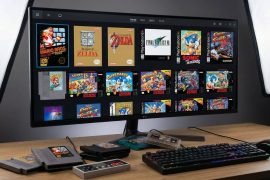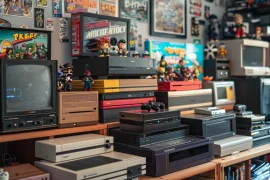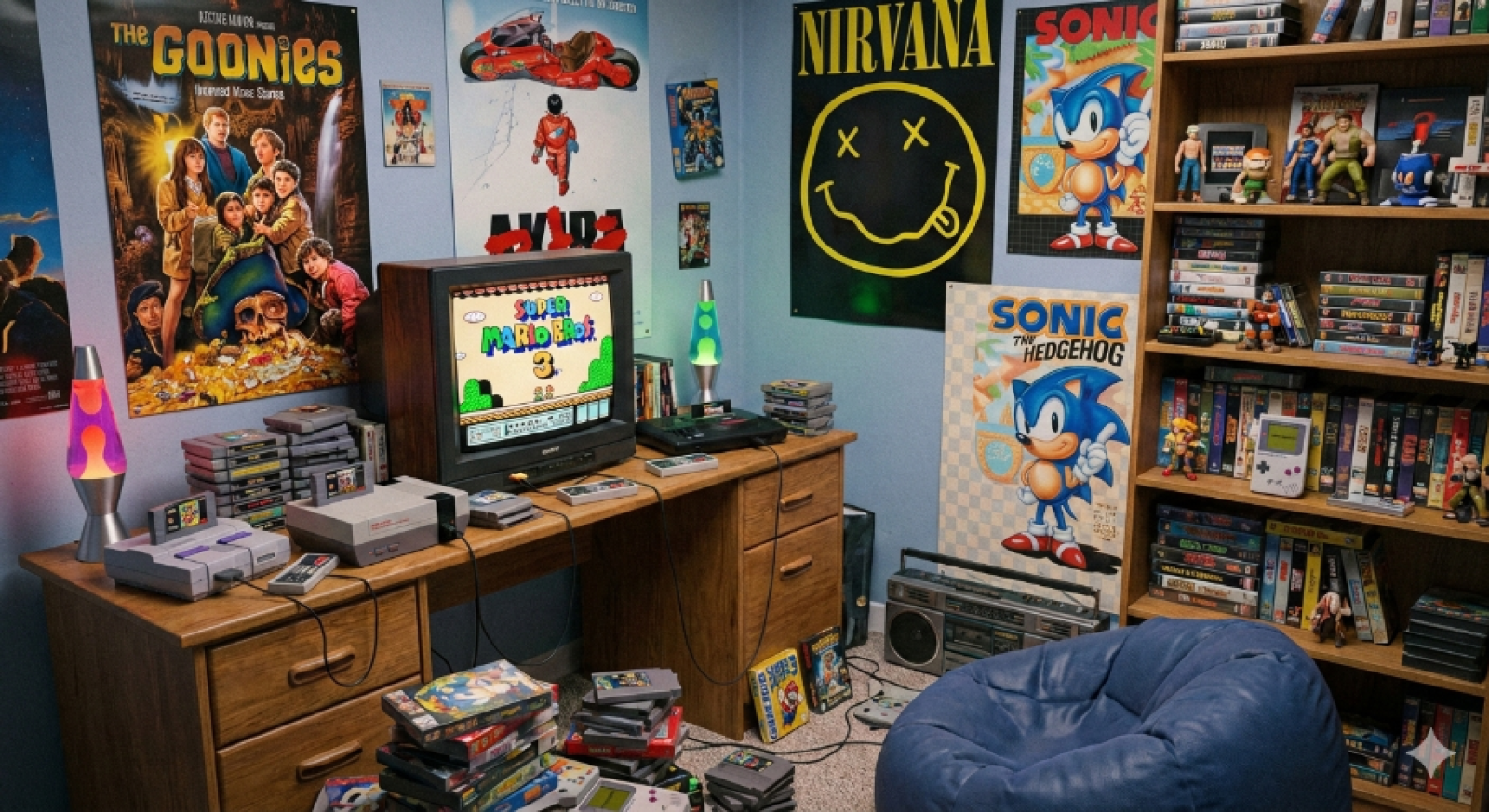
Gaming felt different before constant internet connections, digital storefronts, and endless updates changed how players interacted with their favorite hobby. Entire routines surrounded gaming during the 80s, 90s, and early 2000s, and many of those habits disappeared quietly as technology evolved. Players developed rituals around cartridges, memory cards, gaming magazines, and local multiplayer sessions that shaped daily life in ways modern gaming rarely replicates. Looking back now, some of those habits seem inconvenient by today’s standards, yet they also carried personality and emotional weight modern systems often lack.
Retro gaming habits we all miss were never only about the games themselves. They involved the anticipation before playing, the social experiences surrounding consoles, and the small routines players repeated without even thinking about them. I still catch myself remembering moments attached to old gaming habits more vividly than the actual games sometimes. Sitting cross-legged on the floor untangling controller wires, reading manuals during car rides home, and waiting an entire month for magazine previews somehow became inseparable parts of the gaming experience itself.
Reading Instruction Manuals Before Playing
Opening a new game used to feel like opening a complete package rather than simply launching software. Instruction manuals carried artwork, character descriptions, lore, gameplay tips, and hidden details players studied carefully before ever touching the controller.
Many manuals became entertainment on their own because players read them repeatedly during school breaks, car rides, or long trips home from game stores. The anticipation built slowly as players imagined the worlds waiting inside the cartridge or disc.
I still miss that ritual deeply because manuals created emotional buildup before gameplay even began. Modern digital interfaces provide convenience, but they rarely deliver the same sense of mystery and excitement physical manuals created naturally.
Renting Games for the Weekend
Video rental stores shaped gaming culture for an entire generation of players. Weekend trips to rental shops became serious events where players walked crowded aisles desperately searching for popular games before somebody else grabbed them first.
Renting games encouraged experimentation because players took chances on unfamiliar titles constantly. A cool cover art design or interesting screenshot could convince someone to spend an entire weekend trying a game they knew almost nothing about beforehand.
I loved the urgency attached to rentals because time felt limited. Players stayed up late trying to finish games before returning them, and those rushed gaming marathons created unforgettable memories filled with excitement and exhaustion.
Writing Down Cheat Codes
Before achievements, downloadable content, and constant online updates dominated gaming culture, cheat codes represented hidden treasures players shared like secrets. Entire notebooks filled with handwritten codes circulated between friends at school and during sleepovers.
Some codes unlocked absurd gameplay modes, hidden characters, or overpowered abilities that completely transformed games. Half the fun involved hearing rumors about secret combinations and testing whether they actually worked.
I still remember carefully copying cheat codes onto scraps of paper because forgetting a specific sequence could ruin an entire afternoon. That small ritual made gaming feel mysterious and communal in ways modern gaming sometimes struggles to recreate.
Gathering Around One Television
Retro multiplayer gaming depended heavily on physical presence. Friends crowded around small televisions sitting only inches apart while competing in split-screen shooters, fighting games, sports titles, and racing games.
Living rooms became chaotic social spaces where players argued, celebrated, and laughed together constantly. Trash talk carried more emotional impact because opponents sat directly beside each other reacting in real time.
I honestly think gaming lost part of its social magic once online multiplayer replaced local sessions so completely. Modern online gaming offers convenience, but it rarely captures the atmosphere created by four friends shouting at the same television deep into the night.
Visiting Arcades After School
Arcades once felt like sacred spaces for gamers. Bright cabinets, flashing lights, loud music, and crowded machines created environments filled with energy impossible to replicate fully at home.
Players gathered after school not only to play games but to socialize, watch skilled competitors, and discover new titles. Arcades introduced trends, rivalries, and gaming rumors long before social media or streaming platforms existed.
I still remember the excitement of entering an arcade and hearing dozens of machines running simultaneously. That sensory overload became part of gaming culture itself and helped shape how players experienced competition and community.
Blowing Into Cartridges
Few retro gaming habits remain as strangely universal as blowing into cartridges after games failed to load correctly. Players believed firmly that a quick burst of air somehow fixed technical issues instantly, even though it probably caused more problems over time.
The ritual became automatic because everyone did it. Friends, siblings, and parents all repeated the same routine whenever cartridges refused to cooperate.
I laugh about it now, but those tiny moments added personality to retro gaming hardware. Modern digital systems work more efficiently, yet they also feel far less tactile and memorable compared to older gaming rituals.
Waiting Months for Gaming News
Gaming information traveled slowly during the retro era. Players relied heavily on monthly magazines, television programs, and word of mouth because internet coverage either barely existed or remained inaccessible for many households.
That slower information cycle built anticipation differently. A few screenshots in a magazine could fuel excitement for months because players lacked instant gameplay videos, livestreams, and endless online analysis.
I miss that anticipation sometimes because modern gaming news moves too quickly to savor properly. Retro gaming culture allowed excitement to build gradually, which made upcoming releases feel more special and mysterious.
Memorizing Entire Games
Older games often lacked save systems or provided limited opportunities to save progress. Players memorized enemy patterns, hidden secrets, level layouts, and puzzle solutions through repetition because mastery mattered enormously.
That repetition created deep familiarity between players and games. People knew entire levels almost instinctively because they replayed sections countless times while chasing improvement and completion.
I still remember specific retro game maps more clearly than directions around certain real neighborhoods. The constant repetition burned those experiences into memory permanently.
Swapping Games With Friends
Game trading represented a huge part of retro gaming culture because buying new games regularly remained expensive for many families. Friends swapped cartridges and discs constantly to experience titles they otherwise could not afford.
Those exchanges built trust and social interaction naturally. Players recommended hidden gems passionately while negotiating trades almost like business deals between collectors.
I think swapping games created stronger gaming communities because people depended on one another more directly. Sharing collections made gaming feel collaborative rather than isolated.
Reading Gaming Magazines Cover to Cover
Gaming magazines were treated almost like sacred documents during the retro era. Players studied previews, reviews, cheat codes, strategy guides, and rumor sections repeatedly throughout the month while waiting for new issues to arrive.
Certain magazine pages became worn from overuse because players revisited favorite screenshots and walkthrough sections constantly. Entire friend groups discussed the same articles because information sources remained centralized rather than fragmented online.
I still remember the smell of freshly opened gaming magazines and the excitement of flipping through pages discovering upcoming releases. Digital gaming coverage may be faster now, but it rarely feels as tangible or memorable.
Fighting Over Controller Choices
Controller preferences became strangely serious during retro gaming sessions. Players argued constantly over who received the “good controller” while blaming losses on worn buttons, loose connections, or uncomfortable designs.
Some people insisted certain controllers improved performance while others refused using third-party accessories completely. Those tiny arguments somehow became essential parts of multiplayer culture itself.
I still smile remembering how emotionally attached players became to specific controllers. Gaming felt personal partly because everyone developed rituals and preferences surrounding hardware itself.
Discovering Secrets Without Internet Guides
Retro gaming rewarded experimentation because instant online walkthroughs were unavailable for most players. Hidden levels, unlockable characters, and secret mechanics spread through rumors, trial and error, and conversations between friends.
That uncertainty made discoveries feel genuinely exciting. Players never knew whether strange rumors were true until testing them personally inside the game itself.
I think modern gaming lost some mystery because secrets rarely stay hidden long anymore. Retro games encouraged exploration naturally because communities uncovered information slowly together rather than instantly online.
Carrying Memory Cards Everywhere
Memory cards became treasured possessions during the later retro gaming era. Players carried save data physically between houses because multiplayer sessions and sleepovers often involved transporting personal progress manually.
Losing a memory card felt catastrophic because hundreds of hours of gameplay could disappear instantly. People guarded those tiny accessories carefully almost like valuable collectibles.
I still remember checking my pockets repeatedly before leaving friends’ houses because forgetting a memory card could ruin weeks of progress. Physical save storage somehow made achievements feel more personal and meaningful.
Calling Friends Instead of Sending Invites
Multiplayer sessions once required actual planning through phone calls and conversations rather than instant online invitations. Players coordinated schedules manually and often waited excitedly for friends to arrive carrying controllers and games.
That process built anticipation before gaming sessions even started. Multiplayer felt like a social event because gathering required effort, communication, and commitment.
I think those extra steps strengthened friendships surrounding gaming culture. Modern systems make multiplayer easier, but retro gaming habits often made the social side feel more intentional and memorable.
Retro Gaming Habits We All Miss
Retro gaming habits we all miss mattered because they turned gaming into a complete social and emotional experience rather than simple digital entertainment. Reading manuals, renting games, gathering around televisions, and trading cartridges created rituals players repeated constantly throughout childhood and adolescence. Those routines built anticipation, strengthened friendships, and gave gaming culture personality beyond the software itself.
Technology improved dramatically over the years, but convenience sometimes replaced emotional texture along the way. Instant downloads, online matchmaking, and constant updates streamlined gaming while quietly removing many small rituals that once made the hobby feel personal and communal.
I still love modern gaming, yet part of me misses the slower, more tactile world surrounding retro games. The habits attached to old school gaming created memories extending far beyond graphics or gameplay mechanics alone. They represented a time when gaming felt mysterious, social, imperfect, and deeply human all at once.