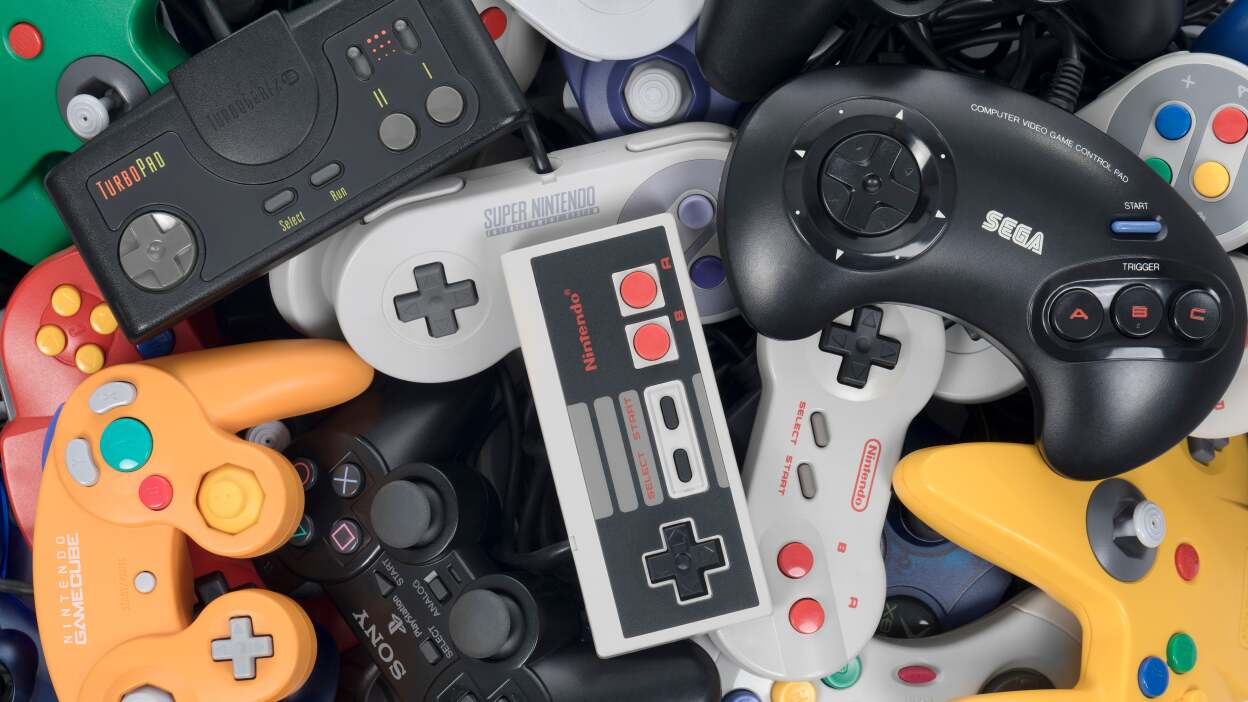
Modern gaming evolves so quickly that entire trends rise and disappear within only a few years, yet classic video games continue attracting loyal players decade after decade. People still gather around aging consoles, search flea markets for cartridges, restore arcade cabinets, and replay titles released long before online multiplayer and high-definition graphics became industry standards. Younger players discover these games for the first time while older gamers revisit them repeatedly without losing interest. That kind of staying power rarely happens by accident.
The timeless appeal of classic video games comes from far more than nostalgia alone. Great retro games continue surviving because their core ideas remain entertaining regardless of changing technology. Tight gameplay, memorable music, strong artistic identity, and emotional connection gave older games lasting power that modern graphics alone cannot guarantee. I still revisit classic games regularly because many of them feel refreshingly focused and satisfying compared to some modern releases overloaded with distractions, endless updates, and unnecessary complexity.
Gameplay Came Before Everything Else
Classic games relied heavily on gameplay because older hardware offered limited technical possibilities. Developers could not depend on cinematic cutscenes, realistic graphics, or massive open worlds to hold players’ attention, so mechanics needed to feel immediately engaging.
Movement, combat, puzzle-solving, and level design carried enormous importance during the retro era. A game succeeded or failed largely based on how satisfying it felt moment to moment because players interacted directly with the mechanics constantly without lengthy interruptions.
I still think this design philosophy explains why so many older games remain enjoyable today. Strong gameplay never truly becomes outdated, and classic developers focused relentlessly on refining mechanics players would want to revisit repeatedly.
Pixel Art Still Looks Beautiful
One of the biggest reasons retro games aged gracefully involves their artistic direction. Pixel art embraced stylization rather than chasing realism technology could not fully support, which allowed many older games to retain visual charm decades later.
Developers used color palettes, animation tricks, and creative sprite design to build memorable worlds despite severe technical limitations. The best pixel art still communicates personality, atmosphere, and emotion incredibly effectively even compared to many modern games.
I honestly believe some retro games look better today than certain early attempts at realistic graphics from later console generations. Stylized visuals tend to age far more gracefully because they prioritize artistic identity instead of temporary technical achievement.
Music Became Instantly Memorable
Classic video game soundtracks remain legendary because composers worked within strict limitations that forced creativity. Limited sound channels and primitive hardware pushed musicians toward memorable melodies and strong emotional themes instead of layered orchestral complexity.
Those compositions became deeply attached to players’ memories because they repeated frequently during gameplay. A single retro gaming melody can still trigger emotional reactions instantly decades after players last heard it.
I continue listening to classic gaming music regularly because the melodies themselves remain genuinely powerful. Great music survives technological change naturally, and many retro composers created timeless soundtracks with surprisingly limited tools.
Difficulty Created Stronger Memories
Classic games rarely handed out easy victories. Limited continues, punishing enemies, and difficult stages forced players to improve steadily through repetition and persistence.
That challenge strengthened emotional attachment because success felt meaningful. Finishing difficult sections created satisfaction players remembered long afterward because overcoming obstacles demanded real focus and effort.
I still remember specific gaming victories from older titles more vividly than many modern gaming experiences. Struggling through difficult retro games made success emotionally rewarding in ways automatic checkpoints and constant tutorials sometimes reduce today.
Simplicity Made Games Accessible
Many classic games introduced their mechanics quickly and clearly. Players often understood the basic objective within minutes, which allowed the gameplay itself to become the primary focus immediately.
That accessibility helped retro games appeal across age groups and skill levels. Younger players, casual gamers, and experienced fans could all jump into many classic titles without spending hours studying complicated systems.
I think simplicity remains one of retro gaming’s greatest strengths. A game does not need endless mechanics or sprawling progression trees to stay engaging if the core interaction feels satisfying enough.
Local Multiplayer Strengthened Friendships
Classic gaming emerged during the height of couch multiplayer culture. Friends gathered physically around televisions to compete, cooperate, argue, and celebrate together in shared spaces filled with energy and personality.
Split-screen shooters, racing games, fighting games, and party titles created unforgettable social experiences because players reacted to each other directly in real time. The atmosphere surrounding those sessions became inseparable from the games themselves.
I still miss the emotional intensity of local multiplayer gaming. Online gaming offers convenience, but sitting beside friends during chaotic matches created social memories impossible to replicate completely through headsets and internet connections.
Mystery Surrounded Older Games
Classic gaming existed before instant online guides, livestreams, and constant social media analysis revealed every secret immediately. Rumors spread slowly through magazines, arcades, and conversations between friends, which gave games a stronger sense of mystery.
Players experimented constantly because nobody knew everything about a game right away. Hidden characters, secret levels, and strange glitches became legendary topics of discussion precisely because information remained incomplete.
I think modern gaming lost some magic once mysteries stopped lasting very long. Retro games encouraged curiosity naturally because players needed to discover things themselves instead of reading solutions instantly online.
Physical Media Added Personality
Classic gaming involved physical interaction beyond simply playing the games. Cartridges, discs, manuals, memory cards, and console boxes became emotional parts of the experience themselves.
Instruction manuals introduced characters and mechanics while also building anticipation before gameplay even started. Collections displayed on shelves gave players tangible connection to their favorite games in ways digital libraries rarely match emotionally.
I still enjoy holding retro cartridges and flipping through old manuals because those objects carry memories attached to specific periods of life. Physical gaming media gave the hobby texture and personality modern digital convenience sometimes lacks.
Arcade Culture Made Gaming Social
Arcades helped establish gaming as a communal experience long before online multiplayer existed. Crowded machines, local rivalries, and spectators gathered around skilled players created social environments packed with excitement.
Watching talented players dominate difficult arcade games inspired others while turning gaming into live entertainment naturally. Arcades encouraged competition, experimentation, and social interaction constantly.
I still remember how electric arcades felt during busy evenings. The flashing lights, loud sound effects, and crowded cabinets created atmospheres unlike anything modern gaming spaces usually replicate fully.
Retro Games Encouraged Replayability
Classic games often relied heavily on replay value because technical limitations restricted overall content size. Developers responded by designing games around mastery, hidden secrets, alternate paths, and high-score chasing.
Players replayed levels repeatedly while improving performance gradually. That repetition strengthened emotional connection because players developed deep familiarity with mechanics, maps, and enemy patterns over time.
I replay retro games constantly because great gameplay loops remain satisfying no matter how many times I experience them. Many older games understood that replayability mattered more than simply overwhelming players with content volume.
Characters Became Cultural Icons
Classic gaming introduced mascots and characters who transcended gaming itself. Figures like Mario, Sonic, Mega Man, Pac-Man, and Link became instantly recognizable symbols associated with entire generations of entertainment culture.
Those characters succeeded because their designs emphasized strong personality and visual clarity. Players connected emotionally with them through memorable gameplay experiences repeated across multiple years and platforms.
I think classic gaming mascots carried unique charm because developers needed characters to communicate identity immediately through limited graphics and animation. That focus produced some of the most iconic designs in entertainment history.
Retro Games Felt Complete
Classic games generally launched as finished products because developers could not rely on future patches or downloadable content to fix major issues later. Players bought complete experiences contained fully inside cartridges and discs.
Unlockable content, hidden characters, bonus levels, and secrets existed within the game naturally rather than being separated into post-launch monetization systems. That structure often made classic games feel more cohesive and rewarding.
I still appreciate the simplicity of inserting a cartridge and knowing the full experience already exists there waiting. Older games respected players’ time differently because they focused entirely on the product itself rather than long-term service models.
Nostalgia Strengthens the Emotional Bond
Nostalgia absolutely contributes to retro gaming’s popularity, but the emotional attachment runs deeper than simple memory alone. Classic games became connected to friendships, family moments, childhood routines, and important periods of life for millions of players.
Hearing familiar soundtracks or replaying beloved levels can instantly revive emotions tied to earlier experiences. Games act almost like emotional time capsules preserving memories players carry for decades.
I think nostalgia becomes especially powerful in gaming because the medium is interactive. Players do not simply watch old memories passively. They actively participate in them again through gameplay itself.
Younger Players Continue Discovering Retro Games
One of the clearest signs of retro gaming’s timeless appeal is how many younger players continue embracing classic titles despite having access to vastly more advanced technology. Great gameplay and artistic identity still resonate regardless of generation.
Retro-inspired indie games also helped introduce younger audiences to older design philosophies. Many modern developers openly celebrate classic gaming traditions because those core ideas remain effective and emotionally satisfying.
I love seeing younger gamers discover retro titles for the first time because it proves great games never fully disappear. Technology changes constantly, but strong design principles remain timeless.
The Timeless Appeal of Classic Video Games
The timeless appeal of classic video games exists because great design, memorable music, creative visuals, and emotional connection never truly become obsolete. Classic games survived changing technology because they focused heavily on mechanics, atmosphere, and player engagement rather than temporary graphical trends alone.
Retro gaming continues attracting loyal fans across generations because the experiences remain fun, challenging, social, and emotionally meaningful. Players revisit older games not only for nostalgia but because many of those titles still deliver satisfying gameplay better than some modern releases.
I believe classic video games continue enduring because they captured something fundamental about why gaming became magical in the first place. They encouraged imagination, rewarded persistence, and brought people together through shared experiences that still feel deeply human decades later.