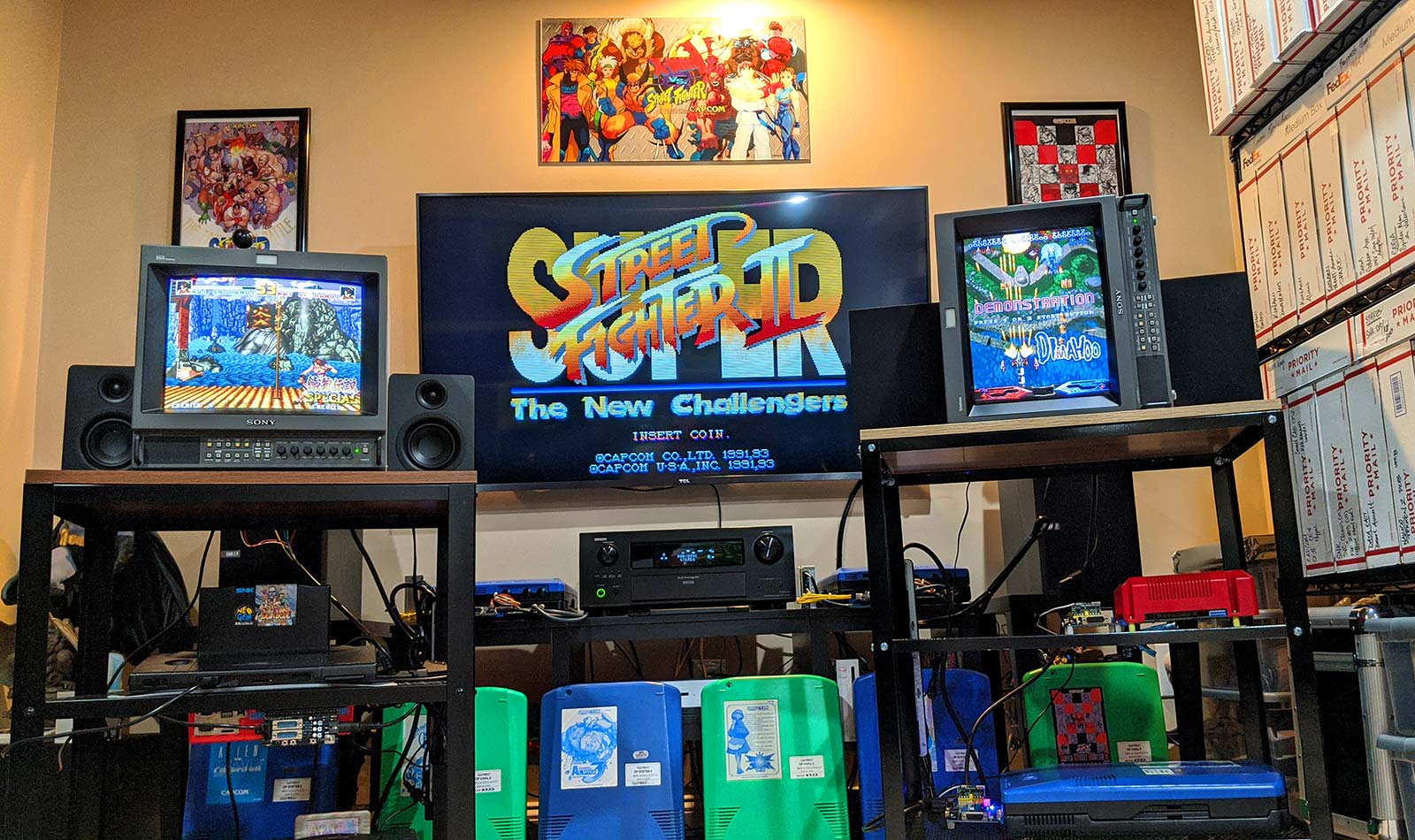
Modern gaming may dominate headlines with photorealistic graphics, massive online worlds, and billion-dollar releases, but older games continue attracting passionate fans decades after their original launch dates. Dusty cartridges, CRT televisions, wired controllers, and pixelated sprites still hold emotional power for players who grew up during gaming’s earlier eras. Even younger audiences who never experienced arcades or 16-bit consoles firsthand continue discovering older games and falling in love with them. That lasting appeal says a great deal about what made classic gaming special in the first place.
Why old school gaming still has loyal fans goes far beyond simple nostalgia. The loyalty surrounding retro games comes from gameplay design, emotional connection, creativity, and social experiences that remain deeply satisfying today. I still find myself returning to older games regularly because many of them deliver focused, memorable experiences without unnecessary distractions. They remind me why gaming became exciting in the first place before endless updates, battle passes, and online ecosystems transformed the industry into something much larger and far more complicated.
Gameplay Felt Direct and Focused
Old school games often placed gameplay above everything else because developers worked within severe technical limitations. Graphics, storage space, and processing power remained restricted, which meant the core mechanics needed to carry the entire experience successfully.
Movement, combat, platforming, and level design received enormous attention because weak gameplay could not hide behind cinematic presentation or open-world scale. Players noticed instantly whether a game felt satisfying because there were fewer layers separating them from the mechanics themselves.
I still think many retro games feel incredibly refreshing because of that directness. You start the game, learn the mechanics quickly, and immediately begin interacting with carefully designed challenges instead of navigating endless menus, tutorials, and progression systems first.
Difficulty Created Emotional Investment
Old school games rarely handed victories to players easily. Limited lives, punishing enemies, and difficult level design forced players to practice, experiment, and improve steadily through repeated failure.
That challenge created stronger emotional attachment because success actually felt earned. Finishing difficult games produced satisfaction modern checkpoint-heavy design sometimes struggles to replicate fully. Players carried memories of hard-fought victories for years because overcoming those challenges required patience and persistence.
I still remember specific retro gaming moments more vividly than many modern experiences precisely because they were difficult. Beating a brutal boss or surviving a difficult stage felt like genuine accomplishment rather than simply progressing automatically through content.
Retro Games Respected Player Intelligence
Older games often trusted players to figure things out independently. Developers provided minimal tutorials and expected players to experiment naturally through gameplay itself rather than stopping constantly for detailed instructions.
That design philosophy encouraged curiosity and exploration. Players talked with friends, tested strange ideas, and learned through experience because games did not explain every mechanic immediately.
Modern games sometimes overwhelm players with tutorials and objective markers, but old school gaming often felt more rewarding because discovery happened organically. I still enjoy the sense of mystery older games created simply by refusing to explain everything upfront.
Local Multiplayer Built Stronger Memories
Old school gaming thrived during the golden era of couch multiplayer. Friends gathered physically around televisions to compete, cooperate, argue, and celebrate together in shared spaces filled with energy and chaos.
Those experiences created stronger emotional memories because the interaction happened face-to-face. Trash talk, laughter, frustration, and rivalry became inseparable parts of the gaming experience itself.
I think many loyal retro gaming fans miss that social atmosphere deeply. Online multiplayer offers convenience, but it rarely captures the emotional intensity of sitting beside friends during heated split-screen battles late into the night.
Pixel Art Still Holds Artistic Power
Retro visuals continue attracting loyal fans because pixel art possesses unique artistic identity and charm. Limited hardware forced developers to prioritize creativity, readability, and memorable character design over photorealistic detail.
Great pixel art communicates personality through color, animation, and visual clarity incredibly efficiently. Many retro games still look visually appealing today because their art styles embraced stylization instead of chasing realism technology could not fully achieve at the time.
I honestly think pixel art aged better than many early realistic graphics attempts. Strong visual style tends to survive technological change far more gracefully than outdated realism does.
Soundtracks Became Emotionally Timeless
Old school gaming produced some of the most memorable music in entertainment history. Limited sound hardware forced composers to focus heavily on melody, rhythm, and emotional clarity rather than complex production techniques.
Those soundtracks stayed with players because they were catchy, distinctive, and emotionally effective. A few synthesized notes from classic games can still trigger powerful nostalgia and emotional reaction decades later.
I continue listening to retro gaming music regularly because the compositions themselves remain genuinely excellent. Great melodies never stop working simply because technology evolves.
Games Felt Complete at Launch
One major reason why old school gaming still has loyal fans involves the difference in how games were released. Older titles generally arrived as finished products because developers could not rely on future patches, downloadable content, or online updates to fix problems later.
Players inserted cartridges or discs expecting complete experiences immediately. Secret content, unlockable characters, and bonus modes existed inside the game itself rather than behind additional purchases or seasonal content structures.
That sense of completeness still feels satisfying today. Retro games often respected players’ time and money differently because the entire experience existed physically and permanently from day one.
Arcades Created Gaming Communities
Arcades introduced countless players to competitive gaming culture long before modern esports existed. Crowded cabinets, local rivalries, and public competition created social environments filled with excitement and personality.
Players developed reputations within arcade communities while learning from stronger competitors nearby. Watching talented players dominate difficult games inspired others to improve while also turning gaming into spectator entertainment naturally.
I still miss the atmosphere arcades created because they made gaming feel communal and alive. People gathered physically around shared enthusiasm rather than interacting anonymously through internet connections alone.
Simplicity Made Games Accessible
Old school gaming often relied on simple concepts executed extremely well. Platformers, shooters, puzzle games, racing titles, and arcade-style experiences usually introduced mechanics quickly without overwhelming players with endless complexity.
That accessibility allowed almost anyone to pick up a controller and start having fun within minutes. Younger players, older relatives, and casual audiences could all participate without spending hours learning complicated systems first.
I think this simplicity explains why many retro games remain enjoyable across generations. Great mechanics do not require excessive complexity to stay engaging and emotionally satisfying.
Physical Media Strengthened Emotional Connection
Cartridges, discs, manuals, and console hardware gave old school gaming tangible identity. Players physically handled collections, traded games with friends, and displayed favorite titles proudly on shelves.
Instruction manuals added personality through artwork, backstory, and hidden details players studied away from the screen itself. The physical relationship with games made ownership feel more personal and memorable.
Digital libraries offer convenience today, but they sometimes lack the emotional attachment physical retro collections created naturally. Holding a favorite cartridge still feels meaningful because it carries memories tied directly to earlier periods of life.
Retro Games Encouraged Replayability
Older games often relied heavily on replay value because technical limitations restricted overall content size. Developers compensated through difficult gameplay, hidden secrets, branching paths, and score systems encouraging repeated playthroughs.
Players mastered levels gradually while uncovering hidden mechanics and improving performance over time. Games stayed engaging because skill progression mattered more than simply consuming new content endlessly.
I still replay retro games far more frequently than many modern titles because they remain mechanically satisfying after multiple sessions. Great gameplay loops never lose their appeal completely.
Indie Developers Revived Retro Design Philosophy
Modern indie developers helped introduce old school gaming values to entirely new audiences. Smaller studios embraced retro aesthetics and gameplay principles because they recognized how timeless many classic ideas remained.
Retro-inspired indie games proved players still valued tight controls, challenging gameplay, memorable music, and focused experiences. Younger audiences discovered older design philosophies through modern reinterpretations that respected retro traditions while refining them slightly.
I love seeing indie developers celebrate gaming history creatively rather than simply copying older games mechanically. The best retro-inspired projects understand why those design ideas mattered originally and build upon them thoughtfully.
Nostalgia Strengthens Emotional Loyalty
Nostalgia absolutely plays an important role in retro gaming loyalty, but the emotional connection runs deeper than simple memory alone. Older games often became attached to friendships, childhood routines, family experiences, and important life periods players remember fondly.
Revisiting classic games allows people to reconnect with those emotions temporarily. Familiar music, visuals, and gameplay instantly revive memories tied to earlier stages of life.
I think nostalgia becomes powerful partly because retro games accompanied so many meaningful moments socially and emotionally. The games themselves acted almost like emotional landmarks within people’s personal histories.
Gaming Culture Felt More Mysterious
Old school gaming existed before constant internet access revealed everything instantly. Rumors spread slowly through magazines, arcades, schoolyards, and gaming stores, which gave games an atmosphere of mystery modern audiences rarely experience.
Players experimented constantly because secrets felt genuinely hidden. Discovering unlockable characters, hidden levels, or strange glitches created excitement because information remained incomplete and uncertain.
I still miss that sense of mystery sometimes. Modern gaming culture analyzes and documents everything almost immediately, while older games allowed discoveries to spread gradually through real-world communities and conversation.
Why Old School Gaming Still Has Loyal Fans
Why old school gaming still has loyal fans becomes obvious once you spend time revisiting the games themselves. Beneath the pixel art, synthesized music, and aging hardware lies gameplay design built around creativity, challenge, social interaction, and emotional engagement. Those foundations remain powerful regardless of technological progress.
Old school gaming continues attracting loyal audiences because the experiences feel focused, memorable, and deeply human. Players remember not only the games but also the friendships, rivalries, discoveries, and emotions surrounding them. Retro gaming represents an era where imagination often mattered more than technical scale, and many players still crave that feeling today.
I believe the loyalty surrounding retro games exists because great design never truly becomes outdated. Technology evolves constantly, but satisfying gameplay, memorable music, strong artistic identity, and meaningful social experiences remain timeless. Old school gaming still matters because it reminds players why video games became magical in the first place.