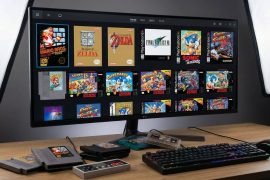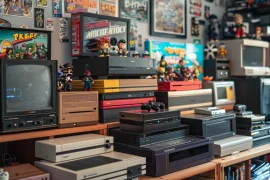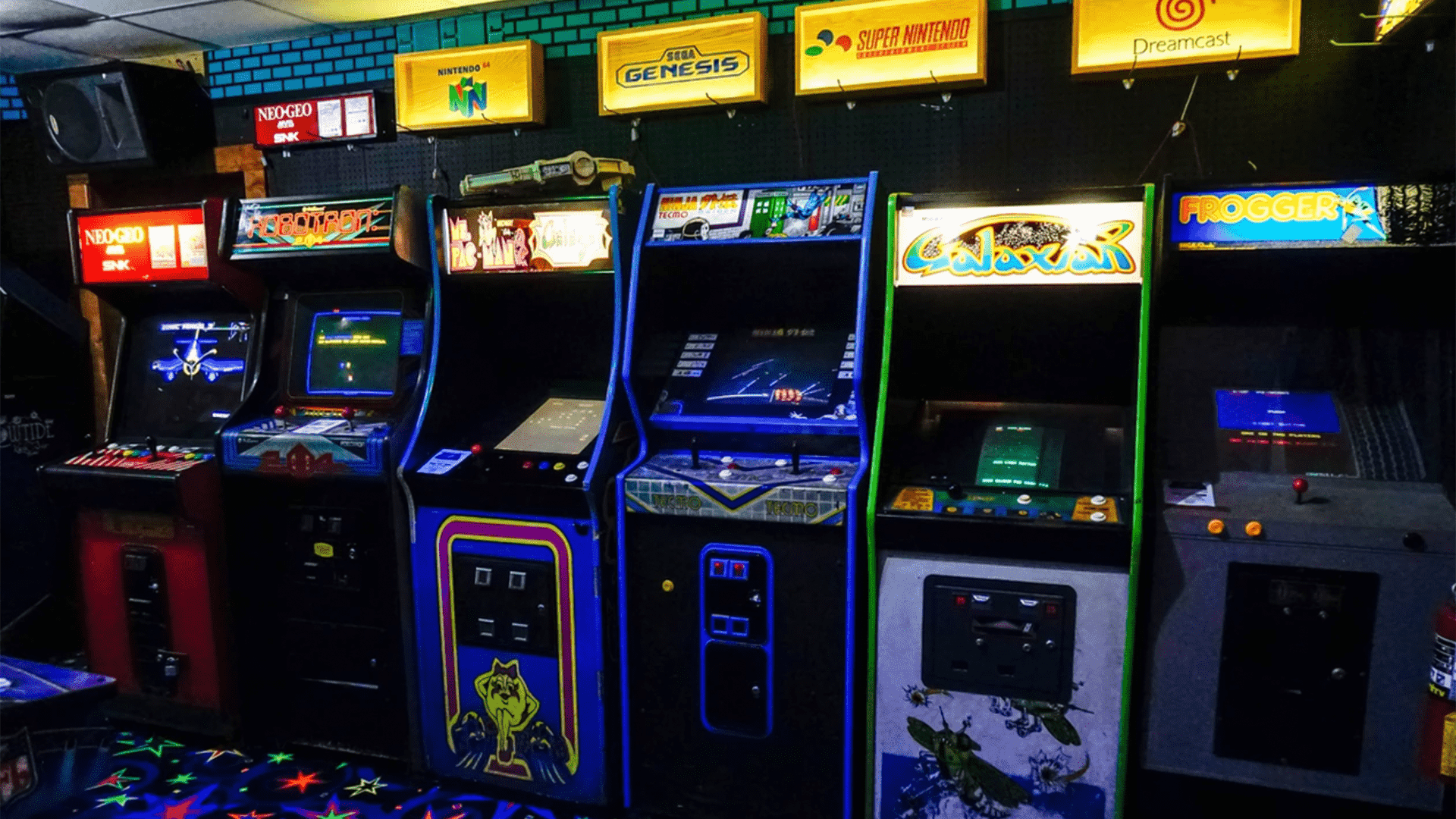
Old game consoles have a strange way of turning ordinary evenings into conversations about childhood memories, family traditions, and different eras of life. A parent picks up a controller and suddenly starts talking about late-night arcade trips from decades ago. A younger player laughs at the blocky graphics at first, then slowly becomes completely invested in beating a difficult level that still holds up surprisingly well today. Moments like that happen constantly around retro games because they bridge age gaps naturally through shared experiences instead of forcing interaction artificially.
How retro gaming connects generations has become more noticeable over the years as gaming itself moved fully into mainstream culture. People who grew up during the arcade era now have children and even grandchildren discovering many of the same games that shaped their own childhoods. Unlike many forms of entertainment tied tightly to specific generations, retro games continue finding new audiences because gameplay, challenge, creativity, and emotional connection remain timeless. I have seen older relatives light up while explaining classic games to younger players, and I have also watched younger gamers gain genuine respect for gaming history after spending only a few hours with older systems.
Retro Games Create Shared Experiences
One reason retro gaming connects different generations so effectively is because the games encourage shared participation naturally. Older consoles often focused heavily on local multiplayer, turn-taking, and watching others play, which made gaming feel social rather than isolated.
Families gather around retro games differently than they often do around modern online titles. Players pass controllers around, give advice during difficult sections, and react together to victories and failures. The atmosphere becomes collaborative even during competitive games because everyone occupies the same physical space.
I think this matters enormously today because modern entertainment sometimes pushes people into separate digital bubbles. Retro gaming often pulls people back into shared rooms where conversation and interaction happen constantly alongside gameplay itself.
Simpler Controls Remove Barriers
Modern games can intimidate older generations because controllers feature countless buttons, layered menus, online systems, and complex mechanics. Retro games usually rely on far simpler control schemes that make jumping in much easier for people unfamiliar with current gaming trends.
A grandparent who never touched modern gaming can still understand classic platformers, puzzle games, or arcade titles within minutes. Younger players often become surprised by how quickly older relatives adapt once unnecessary complexity disappears.
I have watched people who normally avoid video games completely become comfortable with retro gaming almost immediately. Simpler mechanics remove the fear of looking inexperienced, which allows players from different generations to enjoy games together without frustration dominating the experience.
Nostalgia Opens Emotional Conversations
Retro games carry powerful emotional weight for older players because they connect directly to specific moments in life. A familiar startup sound or iconic soundtrack can instantly trigger stories about childhood friendships, favorite arcades, or family gaming sessions from decades earlier.
Those memories naturally become conversation starters between generations. Younger players hear stories attached to the games, while older players revisit experiences they may not have discussed in years. Gaming becomes more than entertainment because it turns into a form of storytelling and memory sharing.
I love hearing older gamers explain why certain titles mattered so much during their youth. Younger players begin seeing retro games not as outdated technology but as pieces of personal history connected to real emotions and experiences.
Younger Gamers Discover Gaming History
Retro gaming gives younger generations direct access to gaming history instead of forcing them to experience it only through documentaries or articles. They can actually play the games that established genres, mechanics, and franchises still dominating modern gaming culture.
That firsthand experience changes perspective quickly. Younger players often gain appreciation for how creative developers became despite severe technical limitations. They also start recognizing how many modern gaming ideas originated decades earlier.
I think retro gaming helps younger players understand gaming evolution in a much deeper way. Playing older titles reveals how design philosophies changed over time while showing how many classic gameplay concepts remain effective even today.
Parents and Children Bond Through Games
Retro gaming often becomes especially meaningful between parents and children because older games allow parents to share part of their own childhood directly. Introducing a child to a beloved classic feels different from simply recommending a modern game casually.
Parents become guides rather than observers. They explain secrets, demonstrate difficult sections, and share stories connected to specific levels or characters. Children experience not only the game itself but also the emotional attachment surrounding it.
I have seen retro gaming create incredible family moments because it allows parents to participate actively instead of watching passively. The experience becomes collaborative, personal, and emotionally layered in ways many modern entertainment experiences rarely achieve.
Arcades Still Fascinate Younger Generations
Many younger gamers grew up entirely with home consoles, smartphones, and online multiplayer systems. Arcades feel almost mythical to them because the culture surrounding those spaces differs so dramatically from modern gaming habits.
Older generations often describe arcades with incredible enthusiasm because those spaces represented social gathering points filled with excitement, competition, and discovery. Younger players listening to those stories become fascinated by gaming culture before internet connectivity existed.
I still enjoy watching younger gamers experience arcade cabinets for the first time. The physical controls, public competition, and loud atmosphere feel refreshingly different to players raised primarily on private online gaming experiences.
Retro Difficulty Encourages Teamwork
Older games frequently featured brutal difficulty levels that demanded patience, experimentation, and repeated failure. Families and friends often tackle those challenges together now, sharing strategies and celebrating progress collectively.
Watching multiple generations work together through difficult retro games creates surprisingly strong bonding experiences. Younger players may possess faster reflexes, while older players often contribute patience, pattern recognition, and historical familiarity with gaming logic.
I think difficult retro games accidentally became excellent tools for collaboration. Players naturally discuss ideas, trade strategies, and encourage one another because overcoming older game design often requires collective persistence rather than isolated play.
Physical Media Sparks Curiosity
Retro gaming also connects generations through physical objects themselves. Cartridges, discs, instruction manuals, memory cards, and old controllers feel tangible and interesting in ways digital downloads often do not.
Younger players become curious about how older hardware functioned, while older players enjoy explaining gaming rituals from earlier eras. Blowing dust from cartridges, swapping discs, and reading manuals before playing all become small cultural lessons passed between generations.
Those physical elements make retro gaming feel more interactive beyond the software itself. The hardware carries personality and history that encourages conversation naturally.
Retro Music Creates Instant Recognition
Classic gaming soundtracks often become shared emotional touchpoints between generations. Iconic melodies remain recognizable decades later because retro music emphasized memorable composition and strong hooks rather than atmospheric background audio alone.
Older players hear nostalgia instantly, while younger players often discover how catchy and emotionally effective retro gaming music still feels. Families sometimes end up humming the same melodies together despite decades separating their gaming experiences.
I think music plays a huge role in why retro gaming connects people emotionally. A familiar gaming soundtrack can immediately erase generational distance because emotional reaction to music remains universal.
Retro Collections Become Family Traditions
Many retro gamers eventually turn collecting into family activities involving children, siblings, and relatives. Searching flea markets, gaming stores, conventions, and online listings together becomes part treasure hunt and part historical exploration.
Younger family members learn about older systems while older collectors enjoy passing knowledge forward. Conversations about rare cartridges, damaged labels, and forgotten consoles become shared hobbies rather than solitary obsessions.
I have seen retro collections evolve into genuine family traditions over time. The hobby creates opportunities for multiple generations to participate together while preserving gaming history collectively.
Couch Multiplayer Encourages Face-to-Face Interaction
Retro gaming emerged during an era dominated heavily by local multiplayer experiences. Players sat beside one another physically, reacting to victories and defeats together in real time rather than communicating primarily through headsets online.
That design philosophy still works beautifully for families today. Grandparents, parents, and children can all participate together in shared gaming sessions where conversation flows naturally throughout the experience.
Modern online systems offer convenience, but couch multiplayer creates stronger personal interaction. Retro games often encourage laughter, playful arguments, and emotional reactions that strengthen relationships directly.
Older Games Feel Less Overwhelming
Many retro games feel easier for mixed-age groups to enjoy together because they avoid endless updates, battle passes, microtransactions, and complicated online ecosystems. Players simply turn the system on and start playing immediately.
That accessibility removes friction between generations. Older relatives do not need tutorials explaining modern gaming culture, while younger players appreciate the immediate simplicity and focus on gameplay itself.
I think retro gaming succeeds partly because it strips entertainment back to core interaction and fun. Without constant distractions surrounding progression systems and online services, players focus more fully on shared experiences.
Retro Gaming Preserves Cultural History
Video games now represent an important part of cultural history, and retro gaming allows older generations to pass that history forward directly. Games become cultural artifacts carrying stories about technology, creativity, music, art, and entertainment from earlier decades.
Younger generations gain insight into how gaming culture evolved while older generations preserve memories and experiences tied to those earlier eras. Retro gaming becomes a bridge between historical appreciation and modern entertainment simultaneously.
I believe preserving gaming history matters because games shaped millions of childhoods and social experiences worldwide. Sharing retro games across generations helps ensure that history remains alive and emotionally meaningful rather than forgotten.
How Retro Gaming Connects Generations
How retro gaming connects generations becomes obvious anytime people of different ages gather around an older console and begin sharing stories, reactions, and memories naturally. Retro games create common ground because they emphasize gameplay, social interaction, and emotional connection in ways that remain accessible across age groups.
Older generations revisit meaningful parts of their past while younger players discover the roots of modern gaming culture firsthand. Those interactions create conversations and shared experiences capable of strengthening friendships, family relationships, and mutual appreciation between people who might otherwise struggle to connect through entertainment.
I think retro gaming remains powerful because it reminds people that great games are not defined purely by technology or graphics. They are defined by the memories, emotions, and human connections they create over time. Decades may separate players from different generations, but a classic game controller placed in someone’s hands still has the ability to bring people together almost instantly.