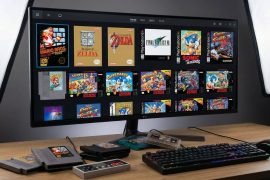
Modern gaming technology continues advancing at an incredible pace. Photorealistic graphics, open-world design, online connectivity, and cinematic storytelling dominate much of the industry today, yet the fingerprints of older games remain visible almost everywhere. Beneath modern visuals and massive budgets, countless developers still rely on ideas born during the arcade era, the 8-bit generation, and the rise of early home consoles. The influence of retro games on modern developers reaches far deeper than nostalgia because many of gaming’s strongest design principles were established decades ago under strict technical limitations.
The more time I spend revisiting retro classics and comparing them to modern releases, the clearer those connections become. Developers today constantly borrow gameplay structures, artistic ideas, level design philosophies, and storytelling techniques from older generations because those concepts still work remarkably well. Retro games shaped how developers think about challenge, pacing, creativity, and player engagement long before the modern gaming industry became what it is now.
Retro Games Taught Developers the Importance of Gameplay First
Older games could not rely on cinematic storytelling, massive open worlds, or advanced graphical realism to impress players. Hardware limitations forced developers to focus heavily on gameplay because that remained the primary tool available for holding player attention.
Controls needed to feel responsive, mechanics needed to remain engaging, and gameplay loops needed to encourage replayability. If the core experience lacked fun, players noticed immediately because there were fewer distractions surrounding the mechanics themselves. That design philosophy still influences many respected modern developers today.
I think this is why so many modern indie creators admire retro games deeply. Older titles proved that strong gameplay can survive technological aging far better than visual spectacle alone. Many developers now intentionally return to retro design principles because they want their games to feel mechanically satisfying before anything else.
Pixel Art Became a Creative Choice Again
For years, pixel art was viewed mainly as a technical necessity tied to outdated hardware. Modern developers eventually helped change that perception completely by embracing pixel visuals intentionally rather than treating them as limitations from gaming’s past.
Retro games demonstrated how expressive pixel art could become through smart animation, strong color palettes, and memorable character design. Developers today continue studying classic sprite work because it teaches visual clarity and artistic efficiency in ways hyper-realistic graphics sometimes do not.
I love seeing modern studios use pixel art confidently instead of apologetically. Many developers realized retro visuals possess timeless charm because they prioritize style and readability rather than chasing realism endlessly. The influence of retro games on modern developers becomes obvious anytime a stunning modern indie title embraces pixel aesthetics proudly.
Difficulty Design Came Directly From Retro Gaming
Retro games earned reputations for difficulty partly because arcade roots encouraged developers to challenge players aggressively. Limited lives, punishing enemies, and demanding platforming sections became normal parts of gaming culture during earlier generations.
Modern developers continue drawing inspiration from that philosophy, especially within action games and challenging RPGs. Difficult games today often reward patience, memorization, mechanical mastery, and persistence in ways clearly inspired by retro design traditions.
I think many players became exhausted by games that held their hands constantly for years. Retro-inspired challenge returned because developers recognized players still enjoy earning victories through skill and determination rather than passive progression systems.
Level Design Philosophy Still Reflects Retro Influence
Retro developers worked within tiny storage limitations, meaning levels needed careful structure and purposeful design. Empty space wasted valuable memory, so environments often became tightly crafted experiences filled with deliberate enemy placement, secrets, and pacing decisions.
Modern developers still study those classic level structures because they demonstrate how much can be accomplished through intelligent design rather than sheer scale alone. Some modern games may feature massive worlds, but many of the best-designed areas still rely on focused principles established decades ago.
I notice this constantly while replaying older platformers and action games. Levels feel compact yet memorable because developers concentrated heavily on rhythm, challenge progression, and environmental storytelling. Modern creators continue borrowing those ideas because strong pacing never stops mattering.
Retro Games Inspired Modern Indie Development
Independent developers arguably carry retro gaming influence more visibly than any other part of the modern industry. Smaller studios frequently embrace retro aesthetics, gameplay mechanics, and storytelling approaches because older games provide practical creative models for ambitious teams with limited resources.
Retro games also proved smaller projects could leave enormous cultural impact through originality and strong design rather than massive production budgets. Many indie developers see retro gaming history as evidence that creativity matters more than technical excess.
I admire how indie studios often reinterpret retro concepts instead of merely copying them mechanically. The best indie games feel inspired by older eras while still introducing modern pacing, smoother controls, and contemporary storytelling sensibilities. That balance keeps retro influence evolving instead of becoming creatively stagnant.
Speed and Responsiveness Became Essential Lessons
Many retro games emphasized tight controls and immediate responsiveness because fast gameplay demanded precision. Platformers, shooters, fighting games, and action titles relied heavily on accurate input timing to remain satisfying and fair.
Modern developers still treat responsive controls as foundational design principles largely because retro games established those expectations early. Players notice instantly when movement feels sluggish or imprecise because decades of gaming history conditioned audiences to value fluid control systems.
I still judge many modern games partly by how responsive they feel during basic movement. Retro developers understood instinctively that gameplay should feel physically satisfying moment to moment. That lesson continues shaping game development across genres today.
Arcade Design Still Influences Modern Multiplayer Games
Arcade gaming revolved around competition, replayability, and immediate excitement. Modern multiplayer games continue borrowing heavily from those ideas even while operating within entirely different technological environments.
Quick match structures, score systems, skill-based competition, and replay-focused design all carry strong arcade DNA. Developers still study older arcade games because they mastered player engagement through simplicity, clarity, and constant tension.
I think arcade philosophy remains deeply embedded inside gaming culture even now. Many online multiplayer games essentially modernize the same competitive instincts arcade developers refined decades earlier. The technology evolved dramatically, but the psychological design principles remained surprisingly consistent.
Retro Soundtracks Continue Inspiring Modern Composers
Modern game composers frequently draw inspiration from retro soundtracks because older gaming music prioritized strong melody and emotional identity. Limited hardware forced composers to create memorable music through composition rather than production complexity alone.
Chiptune influences, looping structures, and catchy melodic writing continue appearing throughout modern gaming soundtracks. Many developers actively seek retro-inspired audio because it creates immediate emotional connection and distinctive identity.
I still find it fascinating how influential retro music became far beyond gaming itself. Entire modern genres grew partly from classic gaming soundtracks, and younger composers continue studying retro techniques because those melodies remain timelessly effective.
Storytelling Through Environment Came From Technical Necessity
Retro games often lacked advanced dialogue systems, voice acting, or cinematic cutscenes. Developers compensated by using visual clues, environmental design, and subtle details to communicate story and atmosphere indirectly.
Modern developers continue relying heavily on environmental storytelling techniques established during earlier gaming eras. Abandoned buildings, visual symbolism, hidden lore details, and atmospheric world design all reflect methods retro developers used creatively despite technical limitations.
I appreciate how retro games trusted players to interpret worlds independently. Modern developers increasingly return to that style because indirect storytelling often feels more immersive and rewarding than constant exposition.
Retro Horror Design Still Shapes Modern Fear
Limited graphics during the retro era forced horror developers to rely on atmosphere, tension, sound design, and imagination rather than graphic realism. That psychological approach to fear continues influencing many respected modern horror creators today.
Retro horror games taught developers that uncertainty often scares players more effectively than explicit visual detail. Limited visibility, eerie music, awkward camera angles, and isolation created dread through suggestion rather than spectacle.
I think many modern horror games rediscovered this truth after years dominated by overly cinematic horror design. Retro-inspired fear feels deeply effective because the player’s imagination becomes part of the experience itself.
Exploration and Discovery Became Core Design Values
Retro games frequently encouraged exploration because secrets, hidden levels, and mysterious mechanics extended replay value naturally. Players experimented constantly because information traveled slowly and discoveries felt meaningful.
Modern developers continue embracing that philosophy through hidden collectibles, optional areas, environmental puzzles, and non-linear design structures. Many beloved modern games deliberately recreate the feeling of discovering something organically without immediate internet guidance.
I miss how mysterious games once felt during earlier eras, and many modern developers clearly miss that feeling too. Retro design taught the industry that discovery itself can become one of gaming’s strongest emotional rewards.
Retro RPGs Influenced Narrative Structure
Classic role-playing games established countless storytelling conventions still used throughout gaming today. Character progression systems, world maps, party management, turn-based combat, and emotional narrative arcs all evolved heavily during earlier console generations.
Modern developers constantly reference retro RPGs because those games balanced gameplay and storytelling elegantly despite hardware limitations. Many current RPG mechanics trace directly back to design decisions made decades ago under far more restrictive conditions.
I still find retro RPG pacing remarkably effective in many cases. Developers stretched small worlds into epic adventures through music, atmosphere, and emotional storytelling rather than massive content volume alone. That influence remains deeply visible throughout modern role-playing games.
Minimalism Became More Respected Again
Modern gaming sometimes overwhelms players with excessive tutorials, interface clutter, map markers, and constant objectives. Retro games often approached design more minimally because hardware limitations naturally encouraged simplicity.
Many modern developers now intentionally adopt cleaner interfaces and streamlined mechanics inspired partly by retro gaming philosophy. Players increasingly appreciate games that trust them to experiment rather than explaining everything constantly.
I think retro design helped modern developers realize simplicity can strengthen immersion instead of weakening it. Sometimes fewer systems and cleaner presentation create more emotionally engaging experiences overall.
Retro Communities Preserved Gaming History
Developers today benefit enormously from retro gaming communities that preserved older hardware, software, design documentation, and gaming culture over decades. Without passionate collectors, archivists, modders, and historians, many influential games might have disappeared entirely.
Access to retro games allows younger developers to study gaming evolution directly instead of relying only on secondhand stories. That historical connection helps modern creators appreciate how foundational ideas emerged and evolved across generations.
I always respect how much preservation work retro communities accomplished before the industry fully recognized gaming history’s cultural importance. Modern developers continue learning from older games because dedicated fans ensured those experiences survived long enough to inspire future generations.
The Influence of Retro Games on Modern Developers
The influence of retro games on modern developers extends far beyond nostalgia or visual style alone. Older games established many of the design principles still shaping gameplay, storytelling, challenge systems, audio design, and player engagement throughout the industry today. Developers continue revisiting retro ideas because those foundations remain remarkably effective despite technological evolution.
Retro games taught developers how to maximize creativity within limitations, prioritize gameplay clarity, and build memorable experiences through focused design. Modern gaming technology changed dramatically, but strong mechanics, emotional music, thoughtful pacing, and imaginative world-building still matter just as much now as they did decades ago.
I believe the strongest modern developers recognize that gaming history contains lessons impossible to ignore. Retro games continue inspiring creators because they remind the industry that memorable experiences rarely depend entirely on graphical realism or technical scale. Great ideas survive technological change, and the continued influence of retro games proves timeless design never truly fades away.