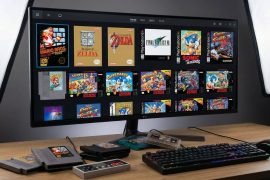
Old cartridges once gathered dust inside closets while outdated consoles disappeared into storage boxes and garage shelves. For a long time, retro games were treated like forgotten leftovers from earlier gaming generations, overshadowed by newer systems promising bigger worlds, realistic graphics, and online connectivity. Many players moved forward without looking back, convinced gaming’s future mattered far more than its past. Then something unexpected happened. Retro gaming returned with force, and suddenly the industry could not stop talking about pixel art, CRT televisions, vintage consoles, and classic franchises again.
The revival did not happen overnight, and it certainly was not driven by nostalgia alone. Retro gaming became cool again because players started recognizing qualities older games delivered exceptionally well. Simplicity, challenge, personality, creativity, and social connection began standing out more clearly in a gaming landscape increasingly dominated by massive downloads, endless updates, and live-service systems. I watched retro gaming evolve from a niche hobby into a cultural movement that now influences everything from indie development to modern console design.
Nostalgia Opened the Door
Many players who grew up during the 80s and 90s eventually reached adulthood with disposable income and a desire to reconnect with earlier gaming memories. Revisiting old consoles became more than a casual hobby because those games carried emotional associations tied to childhood, friendships, and simpler periods of life.
I noticed this shift gradually during the late 2000s and early 2010s. People who once traded away older systems suddenly started hunting them down again at flea markets, online auctions, and retro game stores. Classic cartridges transformed from outdated clutter into treasured collectibles connected to deeply personal memories.
Nostalgia alone could never sustain the movement permanently, but it reignited interest at the perfect moment. Once players returned to those older games, many realized the experiences still held up remarkably well. That rediscovery pushed retro gaming beyond simple memory and into genuine appreciation.
Modern Gaming Became Overwhelming
As modern gaming expanded technologically, many players began feeling exhausted by the complexity surrounding newer releases. Massive installation sizes, mandatory updates, battle passes, online requirements, and endless menus slowly changed how games felt on a day-to-day basis.
Retro games offered something refreshingly direct by comparison. A cartridge slid into a console, the power turned on, and gameplay started almost immediately. No tutorials stretched endlessly, no accounts required linking, and no daily objectives demanded attention before the actual fun began.
I think many players rediscovered retro gaming because they missed that sense of immediacy. Older games respected time differently. They focused intensely on gameplay rather than surrounding players with layers of systems designed to maximize engagement metrics and long-term monetization.
YouTube Changed Everything
The internet played a massive role in helping retro gaming become cool again, but YouTube accelerated the movement dramatically. Content creators began producing retrospectives, reviews, hidden gem lists, speedruns, and nostalgic discussions centered entirely around classic games and hardware.
Watching passionate creators revisit older titles reminded viewers why those games mattered in the first place. Entire generations of players who missed earlier gaming eras became curious after seeing footage of colorful platformers, difficult arcade games, and quirky RPGs packed with personality.
I still remember how quickly retro gaming content exploded online once audiences realized these videos offered more than nostalgia. They explored gaming history, design philosophy, and forgotten creativity in ways modern gaming coverage often ignored. Retro gaming suddenly felt culturally relevant again rather than trapped in the past.
Indie Developers Revived Retro Design
Independent developers helped push retro gaming back into mainstream conversation by embracing old-school aesthetics and gameplay philosophy. Pixel art, chiptune music, side-scrolling platforming, and difficult gameplay mechanics returned through indie projects that respected gaming history while still feeling fresh.
These games proved retro-inspired design could succeed commercially in the modern era. Players responded positively because the games delivered focused experiences built around creativity and gameplay rather than sheer technical spectacle. Retro influences stopped feeling outdated once modern developers demonstrated how timeless those ideas really were.
I admired how indie studios approached retro gaming with genuine respect instead of simply copying old formulas blindly. The best indie titles captured the spirit of classic games while introducing modern quality-of-life improvements and new ideas. That balance helped younger players appreciate retro design principles without needing direct nostalgia for older consoles.
Collecting Became Part of the Culture
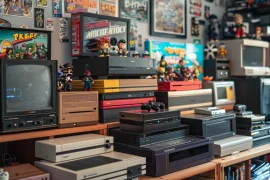
Retro gaming became cool again partly because collecting itself evolved into a visible and socially celebrated hobby. Shelves filled with cartridges, boxed consoles, and rare accessories transformed into symbols of gaming passion and cultural identity.
Social media amplified this dramatically. Collectors posted photos of rare finds, carefully arranged game rooms, and restored hardware setups that attracted enormous attention online. Suddenly, old cartridges once viewed as obsolete looked stylish, desirable, and historically important.
I watched retro collecting shift from quiet niche circles into mainstream gaming culture surprisingly quickly. Owning classic hardware started feeling meaningful because those objects represented gaming history physically. In a world increasingly dominated by digital ownership, retro collections offered something tangible and permanent.
Streaming and Speedrunning Revived Old Games
Classic games found entirely new audiences through livestreaming and speedrunning communities. Watching skilled players master difficult retro titles revealed depth and complexity many people never fully appreciated during the original release years.
Speedrunners transformed older games into competitive showcases where tiny optimizations and hidden mechanics created incredible performances. Entire communities formed around dissecting decades-old games frame by frame, constantly discovering new strategies and glitches.
Streaming also brought social energy back into retro gaming. Viewers gathered around shared memories, reacted to difficult moments, and discovered forgotten titles together in real time. I think that communal excitement helped retro games feel alive again rather than frozen pieces of history.
Pixel Art Became Timeless Instead of Outdated
One major reason retro gaming regained popularity is that pixel art aged beautifully compared to many early attempts at realism. Stylized visuals from older generations still carry charm, personality, and artistic clarity decades later.
Developers working within technical limitations created memorable art styles through strong color palettes, expressive animation, and imaginative design choices. Players eventually realized those visuals had artistic value beyond nostalgia because they communicated emotion and gameplay information exceptionally well.
Modern indie games embracing pixel art also helped shift public perception. Pixel visuals stopped being viewed as primitive once contemporary developers used them intentionally to create stunning modern experiences. Retro gaming became visually fashionable again because players recognized the artistry behind classic sprite work.
Physical Media Started Feeling Special Again
Gaming gradually moved toward digital ownership, subscriptions, and cloud ecosystems over the past decade. While convenient, that shift also created growing appreciation for physical media among many players seeking permanence and connection.
Retro gaming offered exactly that. Cartridges, discs, manuals, and boxes felt personal in ways digital libraries often do not. Holding a classic game physically created emotional attachment because ownership felt concrete and lasting.
I think retro gaming became cool again partly because people missed the ritual surrounding physical games. Opening boxes, reading manuals, organizing collections, and swapping cartridges created experiences beyond simply launching software. Those small rituals added personality to gaming culture that many players realized they still valued deeply.
Retro Games Felt More Focused
Modern games frequently prioritize scale, cinematic storytelling, and long-term progression systems. Retro games often approached design differently by concentrating intensely on core gameplay mechanics. That focus gave many older titles incredible replay value despite relatively simple concepts.
Arcade roots influenced countless retro games heavily. Developers designed experiences around immediate engagement, skill progression, and replayability rather than massive content length. As modern gaming became increasingly bloated, players started appreciating the efficiency of older design philosophies again.
I still feel surprised revisiting certain retro titles because of how quickly they become addictive. Great movement, responsive controls, and tightly designed gameplay loops remain satisfying regardless of technological age. Retro gaming became cool again because players rediscovered how timeless strong game design really is.
Online Communities Strengthened the Revival
Retro gaming communities flourished online through forums, Discord servers, Reddit groups, and social media platforms dedicated entirely to preserving and celebrating classic gaming culture. These communities welcomed collectors, historians, casual fans, and younger newcomers alike.
Players shared repair advice, setup recommendations, hidden game discoveries, and preservation projects with enormous passion. Conversations extended beyond nostalgia into serious discussions about design, history, music, hardware engineering, and cultural impact.
I noticed how welcoming many retro communities felt compared to some corners of modern gaming culture. People genuinely wanted others to experience older games because they believed those experiences still mattered. That enthusiasm became contagious and helped expand the retro gaming audience constantly.
Companies Realized Retro Gaming Had Value
Major gaming companies eventually recognized the growing demand for retro content. Mini consoles, remastered collections, subscription libraries, and retro-inspired accessories flooded the market as publishers realized older franchises still carried enormous cultural power.
Nintendo, Sega, Sony, and other companies began embracing their histories far more openly once retro gaming proved commercially successful again. Players who once struggled to access classic titles suddenly had legal and convenient ways to revisit older generations.
I found it interesting how quickly the industry shifted once retro gaming demonstrated financial potential. What was once treated as outdated software suddenly became premium nostalgia marketed aggressively to both older fans and curious younger audiences.
Younger Players Embraced Retro Games
One of the strongest signs retro gaming truly became cool again is how many younger players now appreciate older games despite lacking nostalgic attachment. Many discovered retro gaming through emulation, YouTube, indie games, or recommendations from older family members and friends.
Those players often respond positively to the creativity, challenge, and personality older games offer. Retro gaming feels distinct compared to many modern experiences, and that uniqueness attracts audiences looking for something different from contemporary gaming trends.
I always enjoy seeing younger gamers react to retro titles for the first time. Their excitement proves these games still possess genuine appeal beyond simple nostalgia. Great gameplay survives technological shifts remarkably well.
Retro Gaming Became Part of Mainstream Culture
Retro gaming eventually expanded beyond niche hobby status and entered mainstream culture fully. Pixel art aesthetics appeared in fashion, music videos, advertisements, television shows, and mainstream entertainment. Arcade bars opened in major cities, and retro conventions attracted massive crowds annually.
Gaming history itself became more culturally respected as players, journalists, and developers began treating older games as important artistic and technological milestones. Retro gaming stopped feeling like a temporary trend because it established permanent cultural relevance.
I think this mainstream acceptance surprised many longtime retro fans who spent years collecting and preserving old games quietly. Suddenly, the hobby they loved became fashionable across broader entertainment culture almost overnight.
How Retro Gaming Became Cool Again
Retro gaming became cool again because players rediscovered qualities that never truly disappeared. Older games offered focused gameplay, strong artistic identity, memorable music, and meaningful social experiences that still resonate powerfully today. Nostalgia helped reopen the door, but timeless design and emotional connection kept people coming back.
Modern gaming’s increasing complexity also played a major role in the revival. Many players grew tired of endless updates, monetization systems, and bloated experiences, leading them toward simpler games built around immediate fun and creativity. Retro titles felt refreshing precisely because they approached gaming differently.
How retro gaming became cool again ultimately reflects something deeper about gaming culture itself. Players realized technological advancement alone does not automatically create better experiences. Great games remain great regardless of age, and the passion surrounding retro gaming proves meaningful design, personality, and creativity never truly go out of style.