Gaming culture once revolved around local arcades, crowded living rooms, and small groups of friends swapping cartridges after school. Conversations about secret levels or hidden cheat codes happened face-to-face, often fueled by rumors that spread through magazines and playground discussions. That world has changed dramatically over the past two decades, yet the spirit behind it never disappeared. Instead, it evolved into something much larger through the internet, where retro gamers from around the world now gather daily to celebrate the classics that shaped an entire generation.
The rise of retro gaming communities online transformed old games from forgotten relics into living pieces of culture. What once felt like a niche hobby has become a global movement filled with collectors, speedrunners, preservationists, content creators, and everyday players chasing memories tied to old consoles. I have watched these communities grow from tiny message boards into thriving ecosystems where passion for retro gaming feels stronger now than it did during the original lifespan of many classic systems.
Message Boards Built the Foundation
Long before social media dominated the internet, retro gamers gathered on message boards and niche forums dedicated to classic systems. Those early communities felt small, but they carried a level of passion that was impossible to fake. Players traded gameplay tips, shared rare screenshots, and debated which console generation truly deserved the crown.
I spent countless nights reading forum threads about obscure RPGs, hidden hardware revisions, and impossible boss fights. What stood out most was how personal those conversations felt. People wrote long posts filled with stories and memories instead of quick reactions designed for algorithms. Discussions moved slower, but they often carried far more depth and sincerity than modern social media interactions.
Those forums also preserved gaming history in ways nobody fully appreciated at the time. Fans uploaded scans of manuals, documented regional releases, and archived information that might have disappeared forever. Many retro gaming communities online still trace their roots back to those early internet spaces where enthusiasts worked together simply because they loved the medium.
YouTube Turned Retro Gaming Into Entertainment Again
The explosion of gaming content on video platforms completely changed how retro games were perceived. Suddenly, millions of viewers could watch detailed reviews, nostalgic retrospectives, hardware restorations, and gameplay breakdowns from creators who genuinely cared about older titles. Retro gaming stopped feeling outdated and started feeling timeless.
Watching passionate creators revisit classic games reminded many players why those experiences mattered in the first place. A well-made video about an old console could instantly transport viewers back to childhood bedrooms lit by CRT screens late at night. Even younger audiences who never lived through those eras became curious after seeing the charm and personality older games carried.
I noticed something fascinating during the rise of retro gaming channels online. People were no longer embarrassed to love old games. For years, gaming culture pushed relentlessly toward newer technology, better graphics, and larger worlds. YouTube helped reverse that mindset by proving retro games still had emotional and artistic value worth discussing decades later.
Social Media Accelerated the Movement
Retro gaming communities online expanded rapidly once platforms like Reddit, Instagram, TikTok, and Discord entered the picture. The hobby suddenly became far more visual and immediate. Collectors showcased rare finds, modders displayed custom consoles, and players shared gameplay clips that spread across timelines within hours.
Social media also made retro gaming feel accessible to newcomers. Someone discovering old games for the first time could instantly connect with thousands of people willing to recommend titles, explain hardware setups, or discuss gaming history. That accessibility helped remove the gatekeeping that sometimes existed in smaller enthusiast circles years earlier.
The speed of modern platforms created entirely new trends as well. A forgotten game could suddenly explode in popularity after a viral post or video. Prices for certain titles skyrocketed almost overnight because communities amplified interest faster than traditional gaming media ever could. While that created frustrations for collectors, it also proved how powerful these online communities had become.
Emulation Opened Doors for New Generations
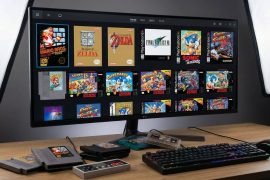
Access remains one of the biggest reasons retro gaming communities online continue to grow. Original hardware can be expensive, difficult to maintain, or impossible to find in some regions. Emulation changed that reality completely by allowing players to experience classic games on modern devices.
Many gamers discovered older titles for the first time through emulators long before they ever touched original hardware. That accessibility introduced younger players to entire generations of gaming history they otherwise might never have explored. Some eventually became collectors or enthusiasts deeply invested in preserving retro gaming culture.
The topic of emulation still sparks heated debates within the community, especially regarding legality and preservation. Despite those arguments, one thing remains obvious: emulation helped keep countless classic games alive. Without it, many retro communities would likely be far smaller because access to old software would remain locked behind increasingly rare and expensive physical copies.
Collecting Became a Shared Experience
Retro game collecting once felt like a solitary hobby built around hunting through flea markets, thrift stores, and garage sales. Online communities transformed collecting into a social experience where discoveries could be shared instantly with people who genuinely appreciated them.
I still enjoy seeing collectors post photos of rare cartridges found in dusty bargain bins or forgotten storage boxes. The excitement spreads through the entire community because everyone understands how satisfying those moments can feel. Collecting became less about ownership alone and more about storytelling, history, and shared enthusiasm.
Online marketplaces also changed the landscape dramatically. Collectors can now track prices, research regional variants, and connect with sellers worldwide within minutes. While rising prices created challenges for many fans, the internet also made it easier than ever to build collections that once would have seemed impossible.
Speedrunning Added a Competitive Edge
One of the most fascinating developments in retro gaming communities online has been the rise of speedrunning. Players began pushing classic games to their absolute limits, discovering glitches, hidden mechanics, and strategies that developers never anticipated decades ago.
Watching elite speedrunners break apart old games with near-superhuman precision completely changed how many people viewed retro titles. Games once considered simple suddenly revealed enormous depth beneath the surface. Entire communities formed around mastering individual games frame by frame, turning old cartridges into competitive battlegrounds.
I find it incredible how speedrunning keeps retro games alive through constant discovery. A thirty-year-old game can still surprise players today because dedicated communities continue uncovering new strategies and exploits. That sense of ongoing exploration gives retro gaming an energy that feels surprisingly modern despite the age of the games themselves.
Preservation Became a Mission
Retro gaming communities online eventually evolved beyond nostalgia and entertainment. Many fans realized gaming history could disappear if nobody actively worked to preserve it. Cartridges degrade, discs fail, servers shut down, and old hardware becomes increasingly fragile over time.
Preservation groups now archive prototypes, scan manuals, document regional releases, and repair aging systems with remarkable dedication. These efforts often happen quietly behind the scenes, yet they play a massive role in protecting gaming history for future generations. Without these communities, many obscure games and historical details would already be lost.
I have gained enormous respect for the people dedicating years to preserving software that large companies often ignore entirely. Their work goes beyond nostalgia because it treats video games as cultural artifacts worth protecting. Retro gaming communities online became guardians of gaming history in ways few people predicted years ago.
Streaming Revived Local Gaming Energy
Live streaming introduced another major shift in how retro games are experienced online. Watching someone play an old game live with thousands of viewers recreates part of the communal feeling that existed during the arcade era. Reactions happen instantly, and audiences become part of the experience rather than passive observers.
Retro streams often feel different from modern gaming streams because the atmosphere tends to be more relaxed and conversational. Viewers bond over shared memories, old frustrations, and forgotten details hidden inside classic games. That emotional connection creates a sense of warmth many modern competitive gaming spaces struggle to replicate.
I have seen streams turn obscure retro games into overnight sensations simply because viewers became fascinated by their creativity or difficulty. Some games gain entirely new fanbases decades after release because streaming platforms expose them to audiences who otherwise never would have encountered them.
Hardware Enthusiasts Kept Old Consoles Alive
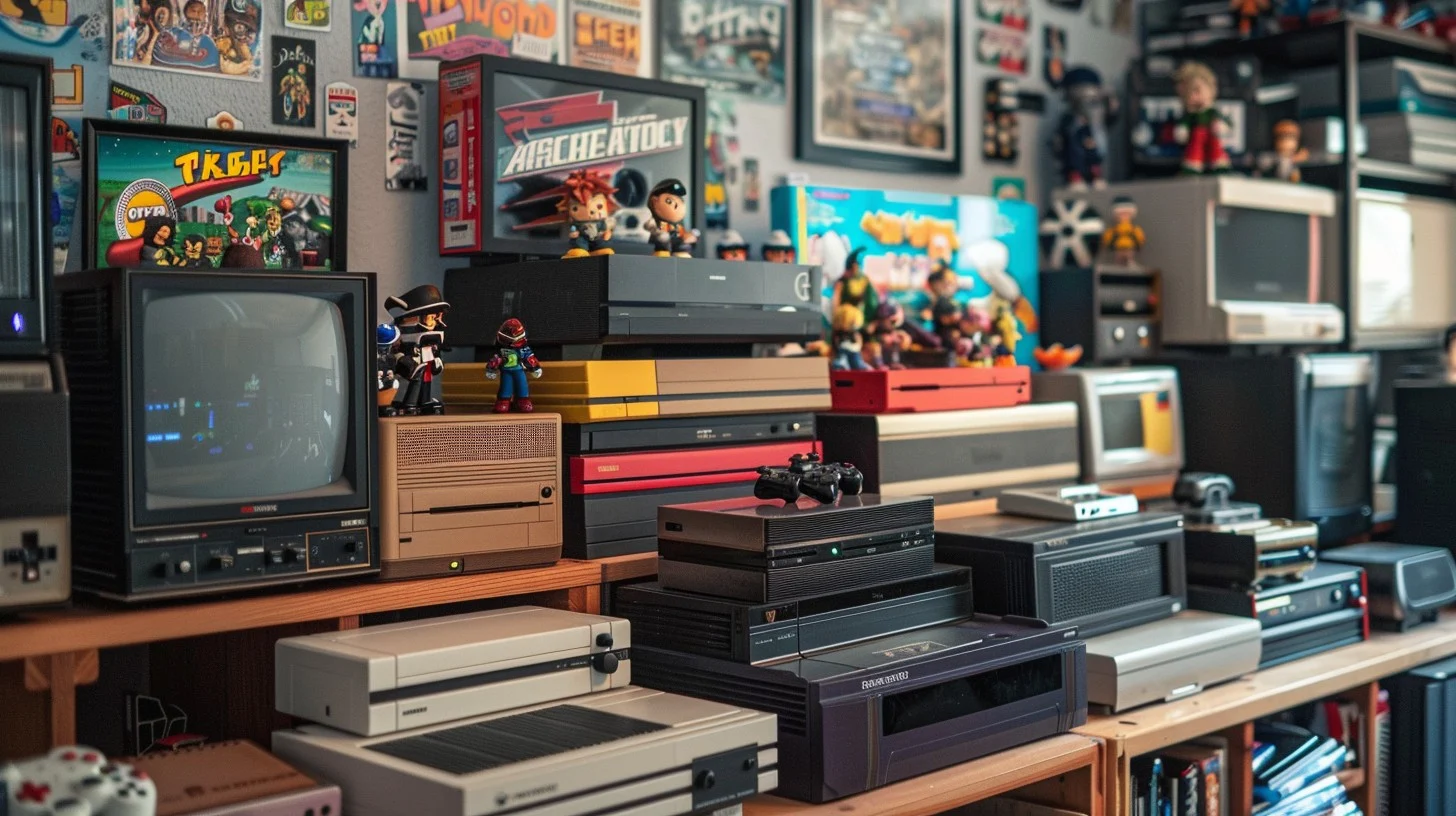
Retro gaming communities online are filled with people obsessed not just with games but with the hardware itself. Enthusiasts restore yellowed consoles, repair broken cartridges, and modify systems to improve video quality for modern televisions. That technical side of the hobby became a major culture of its own.
The dedication within hardware communities constantly amazes me. People spend hours discussing controller latency, RGB output, capacitor replacements, and display accuracy with incredible detail. Those conversations may sound obsessive to outsiders, but they reflect genuine love for preserving authentic gaming experiences.
Modern technology also helped bridge old and new generations of hardware. Upscalers, flash cartridges, FPGA systems, and HDMI modifications made retro gaming easier to enjoy without sacrificing much of the original feel. Communities formed around helping players achieve the best possible setups while still respecting the history of the systems themselves.
Nostalgia Became a Powerful Cultural Force
Nostalgia plays a massive role in the rise of retro gaming communities online, but the appeal goes deeper than simple childhood memories. Retro games remind players of a period when gaming often felt more experimental, more personal, and less dominated by corporate trends.
People reconnect with old games during stressful periods because those experiences carry emotional comfort. Familiar soundtracks, recognizable graphics, and remembered mechanics create a sense of stability that newer games sometimes lack. During uncertain times, retro gaming communities often become spaces where players seek familiarity and connection.
I have noticed that nostalgia also creates bridges between generations. Parents introduce children to games they loved decades earlier, and younger players develop appreciation for gaming history through those shared experiences. Retro gaming becomes more than entertainment at that point. It becomes part of family and cultural identity.
Indie Developers Helped Fuel Retro Interest
Modern indie games contributed heavily to the rise of retro gaming communities online by embracing old-school design philosophies. Pixel art, chiptune music, and challenging gameplay styles returned to prominence because independent developers recognized how powerful those aesthetics still felt.
Many players who discovered retro-inspired indie games eventually became curious about the titles that inspired them. That curiosity led them backward into gaming history, where they discovered entire libraries of classic games that still held up remarkably well. Indie gaming acted almost like a gateway into retro gaming culture.
I find it interesting how younger developers often carry deep respect for older design principles. They recognize that strong gameplay, memorable music, and creative art direction matter more than technical realism alone. That mindset helped retro gaming maintain cultural relevance even as technology advanced rapidly.
The Future of Retro Gaming Communities Online
Retro gaming communities online show no signs of slowing down. New collectors enter the hobby daily, younger audiences continue discovering classic games, and preservation efforts grow more sophisticated each year. What once felt like a niche interest has evolved into one of the most passionate and enduring corners of gaming culture.
The internet changed retro gaming from a personal hobby into a global conversation. Players separated by continents can now discuss obscure titles, trade hardware advice, or celebrate forgotten games together instantly. That connectivity strengthened retro gaming culture far beyond what local communities alone could have achieved.
Retro gaming survives because the emotions tied to those experiences remain timeless. Great gameplay, memorable music, and meaningful social connections never truly go out of style. The rise of retro gaming communities online proved that old games are not simply relics from the past. They are living pieces of culture that continue inspiring players across generations.